by uncannyfaith | Dec 16, 2024 | Cryptocurrency, Cryptocurrency news and updates
Bitcoin Breaks $100K: A New Era of Cryptocurrency
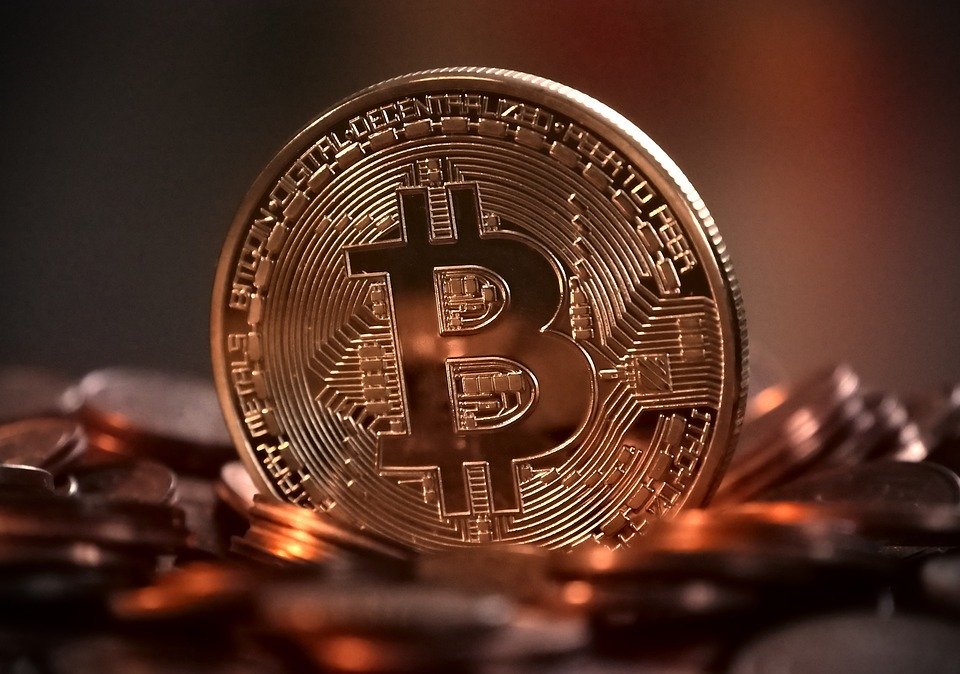
Bitcoin (BTC) has reached an unprecedented milestone, surpassing $100,000 in December 2024. This achievement marks a turning point for the cryptocurrency market, reinforcing its status as a formidable force in global finance. Let’s explore what this means for Bitcoin and its future.
The Milestone: $103,900 All-Time High
On December 5, 2024, Bitcoin hit an all-time high of $103,900, crossing the psychological $100,000 barrier for the first time. This surge came amid a 70% spike in trading volume and a record market capitalization exceeding $2 trillion. The rally was accompanied by bullish investor sentiment, as measured by an “Extreme Greed” index score of 84.
What Drove Bitcoin’s Surge?
1. Institutional Adoption
Bitcoin has seen significant inflows from institutions, with spot Bitcoin ETFs contributing over $31 billion in net investments in 2024. These funds provided retail and institutional investors easier access to Bitcoin, driving demand.
2. Regulatory Support
Pro-crypto policy shifts, including the appointment of crypto advocates in U.S. regulatory positions, have bolstered market confidence. The halving event in April 2024 also played a crucial role by reducing Bitcoin’s supply, amplifying its scarcity.
3. Mainstream and Corporate Interest
Large corporations and governments have embraced Bitcoin for its value as a digital asset. Companies like MicroStrategy continued their accumulation strategy, demonstrating institutional confidence in Bitcoin’s long-term potential.
What’s Next for Bitcoin?
New Price Targets
Following this achievement, analysts are setting their sights on $150,000 or higher as the next key milestone. Bitcoin’s supply dynamics, combined with growing adoption, make this target feasible.
Market Sentiment
Despite some skepticism from traditional investors, the milestone has silenced many critics. Bitcoin’s success highlights its resilience and adaptability in a volatile economic environment.
The Role of Altcoins
Bitcoin’s dominance has also impacted altcoins, with some investors reallocating their funds to BTC. However, Ethereum, Solana, and others continue to show growth as the overall crypto market expands.
Conclusion
The $100,000 milestone underscores Bitcoin’s transformation from a speculative asset into a widely recognized store of value. As the digital economy evolves, Bitcoin’s potential for further growth remains strong, supported by institutional backing, regulatory clarity, and its intrinsic scarcity.
Disclaimer: This article is for informational purposes only and should not be taken as financial advice. Always consult a financial advisor before investing.
by uncannyfaith | Jun 15, 2024 | crypto, Crypto adoption and use cases
The Future of Cryptocurrency: Trends to Watch in 2024
The cryptocurrency landscape is ever-evolving, with new technologies, regulations, and market dynamics continuously shaping the future. As we move through 2024, several key trends are poised to impact the world of digital assets. Here’s a look at what to watch for in the coming year.
1. Increased Adoption of Decentralized Finance (DeFi)
Decentralized Finance, or DeFi, has been a significant trend in the cryptocurrency space, and its growth shows no signs of slowing down in 2024. DeFi platforms offer financial services such as lending, borrowing, and trading without intermediaries, using smart contracts on the blockchain. As more people seek alternatives to traditional financial systems, DeFi’s popularity and usability are expected to expand further.
2. Expansion of Central Bank Digital Currencies (CBDCs)
Central Bank Digital Currencies (CBDCs) are digital versions of national currencies issued by central banks. In 2024, more countries are likely to develop and test their own CBDCs to modernize their financial systems and offer a government-backed alternative to cryptocurrencies. This could lead to increased legitimacy and adoption of digital currencies globally.
3. Enhanced Regulatory Clarity
Regulatory clarity has been a major hurdle for the widespread adoption of cryptocurrencies. In 2024, expect to see more comprehensive and clear regulations from governments around the world. These regulations will aim to protect investors, prevent fraud, and ensure the stability of the financial system while encouraging innovation in the crypto space.
4. Growth of Non-Fungible Tokens (NFTs)
Non-Fungible Tokens (NFTs) revolutionized the digital art and collectibles market, and their applications are expanding into other industries. In 2024, we can anticipate further integration of NFTs into gaming, entertainment, and even real estate. As the technology matures, NFTs will offer new ways to own and trade unique digital and physical assets.
5. Advancements in Blockchain Technology
Blockchain technology is the backbone of cryptocurrencies, and ongoing advancements will continue to enhance its capabilities. Improvements in scalability, interoperability, and security will make blockchain applications more robust and efficient. Layer 2 solutions, cross-chain compatibility, and privacy-focused protocols will play crucial roles in this evolution.
6. Increased Institutional Investment
Institutional investment in cryptocurrencies has been growing steadily, and 2024 is likely to see even greater participation from large financial institutions. As more traditional investors recognize the potential of digital assets, we can expect increased inflows of capital, which will help stabilize and legitimize the market further.
7. Mainstream Integration of Cryptocurrencies
As cryptocurrencies become more widely accepted, we will see greater integration into everyday life. Payment processors, online retailers, and even brick-and-mortar businesses are beginning to accept cryptocurrencies as a form of payment. This mainstream adoption will make using and transacting with cryptocurrencies easier and more commonplace.
8. Rise of Eco-Friendly Cryptocurrencies
Environmental concerns surrounding the energy consumption of cryptocurrency mining have led to the development of more eco-friendly alternatives. In 2024, expect to see an increase in cryptocurrencies that use less energy-intensive consensus mechanisms, such as Proof of Stake (PoS) and other innovative solutions aimed at reducing the environmental impact of digital assets.
Conclusion
The future of cryptocurrency in 2024 is filled with exciting possibilities and transformative changes. From the rise of DeFi and CBDCs to advancements in blockchain technology and increased institutional investment, the crypto landscape is set to evolve in significant ways. Staying informed about these trends will help investors and enthusiasts navigate the dynamic world of digital assets.
Important Note
This article is for informational purposes only and should not be considered financial or investment advice. Always conduct thorough research and consult with a professional before making any investment decisions. The cryptocurrency market is highly volatile and involves significant risks.

by uncannyfaith | Jun 12, 2024 | Cryptocurrency, crypto, Crypto wallets and security
Understanding Cryptocurrency Wallets: A Beginner’s Guide
Cryptocurrency wallets are essential tools for managing your digital assets. Whether you’re new to cryptocurrencies or looking to expand your knowledge, understanding how wallets work is crucial. In this beginner’s guide, we’ll explore everything you need to know about cryptocurrency wallets.
What is a Cryptocurrency Wallet?
A cryptocurrency wallet is a software program or a physical device that stores public and private keys, allowing users to send, receive, and store cryptocurrencies securely. Contrary to traditional wallets, cryptocurrency wallets don’t store physical currency but rather the digital keys required to access your funds on the blockchain.
Types of Cryptocurrency Wallets
There are several types of cryptocurrency wallets, each with its own features and benefits:
1. Software Wallets
Software wallets are applications or programs that run on your computer or mobile device. They are convenient and easy to use, making them suitable for beginners. Examples include mobile wallets, desktop wallets, and online wallets.
2. Hardware Wallets
Hardware wallets are physical devices that store your cryptocurrency keys offline, providing enhanced security against hacking and malware. They are ideal for long-term storage of large amounts of cryptocurrency.
3. Paper Wallets
Paper wallets involve printing your public and private keys on a piece of paper. While they are secure from online hacking, they can be vulnerable to physical damage or loss.
4. Custodial Wallets
Custodial wallets are provided by third-party services that manage your private keys on your behalf. While they offer convenience, you relinquish control of your keys to the service provider.
How Cryptocurrency Wallets Work
At their core, cryptocurrency wallets work by generating and storing pairs of cryptographic keys: public keys and private keys.
- Public Key: This is your wallet address, which you share with others to receive cryptocurrency.
- Private Key: This is like your wallet’s password and should be kept confidential. It’s used to sign transactions and access your funds.
How to Choose the Right Wallet
Choosing the right cryptocurrency wallet depends on your needs and preferences:
- Security: If security is your top priority, consider hardware wallets or software wallets with strong encryption.
- Convenience: For ease of use, mobile wallets or online wallets may be more suitable.
- Long-Term Storage: If you’re holding large amounts of cryptocurrency long-term, hardware wallets or paper wallets offer the best security.
Conclusion
Cryptocurrency wallets are essential for managing your digital assets securely. Understanding the different types of wallets and how they work is crucial for anyone entering the world of cryptocurrencies. Whether you’re a beginner or an experienced investor, choosing the right wallet is key to protecting your funds.
Important Note
This article is for informational purposes only and should not be considered financial or investment advice. Always do your research before choosing a cryptocurrency wallet and ensure you understand how it works. Protect your private keys and exercise caution when dealing with digital assets.
by uncannyfaith | Jun 12, 2024 | Blockchain technology, crypto, Cryptocurrency, Cryptocurrency news and updates
How to Protect Your Cryptocurrency Investments
As the popularity of cryptocurrencies continues to grow, ensuring the security of your digital assets has never been more critical. Whether you are a seasoned investor or new to the crypto space, protecting your cryptocurrency investments should be a top priority. Here are some essential tips to help you secure your digital assets and avoid common pitfalls.
1. Use Strong, Unique Passwords
The foundation of digital security starts with strong, unique passwords. Avoid using easily guessable passwords or reusing the same password across multiple accounts. Consider using a password manager to generate and store complex passwords securely, ensuring each of your accounts is well-protected.
2. Enable Two-Factor Authentication (2FA)
Two-factor authentication (2FA) adds an extra layer of security to your accounts. By requiring a second form of verification, such as a code sent to your mobile device, you significantly reduce the risk of unauthorized access. Enable 2FA on all your cryptocurrency exchange and wallet accounts to enhance their security.
3. Use Hardware Wallets
For long-term storage of your cryptocurrencies, consider using a hardware wallet. Hardware wallets are physical devices that store your private keys offline, making them immune to online hacking attempts. Popular hardware wallets include Ledger Nano S, Ledger Nano X, and Trezor.
4. Beware of Phishing Attacks
Phishing attacks are fraudulent attempts to obtain sensitive information by disguising themselves as trustworthy entities. Always verify the authenticity of websites and emails before entering your credentials. Be cautious of unsolicited messages and never click on suspicious links to avoid falling victim to phishing scams.
5. Keep Your Software Updated
Ensure that all your devices and software, including wallets and antivirus programs, are up-to-date. Software updates often include security patches that protect against vulnerabilities. Enable automatic updates whenever possible to stay protected against the latest threats.
6. Backup Your Wallets
Regularly back up your cryptocurrency wallets to prevent data loss in case of hardware failure or theft. Store backups in multiple secure locations, such as encrypted USB drives or cloud storage with strong encryption. Ensure that you also back up your recovery phrases or seed words.
7. Be Mindful of Public Wi-Fi
Avoid accessing your cryptocurrency accounts over public Wi-Fi networks, which can be insecure and susceptible to attacks. If you must use public Wi-Fi, consider using a virtual private network (VPN) to encrypt your internet connection and protect your data.
8. Diversify Your Investments
Diversifying your cryptocurrency investments can help mitigate risks. Spread your investments across different cryptocurrencies and avoid putting all your funds into a single asset. This strategy can help protect your portfolio from significant losses if one investment performs poorly.
9. Be Cautious with Mobile Apps
Only download cryptocurrency apps from official sources, such as the Apple App Store or Google Play Store. Avoid downloading apps from third-party websites, as they may contain malware. Check app reviews and ratings to ensure their legitimacy before installation.
10. Educate Yourself
Stay informed about the latest security practices and trends in the cryptocurrency world. Follow reputable sources, join online communities, and participate in forums to learn from experienced investors. Continuous education can help you stay ahead of potential threats and make informed decisions.
Conclusion
Protecting your cryptocurrency investments requires vigilance and proactive measures. By following these essential security tips, you can safeguard your digital assets and reduce the risk of falling victim to cyber threats. Stay informed, stay cautious, and prioritize the security of your cryptocurrency investments.
Important Note
This article is for educational purposes only and should not be considered financial or investment advice. Always do your research thoroughly before making any investment decisions. Use caution when selecting websites and services, especially those requiring personal information or file downloads. Please refer to our Privacy Policy, Disclaimer, and About Us page for more information.
by uncannyfaith | Jun 12, 2024 | crypto, Crypto adoption and use cases
How to Get Cryptocurrency
A blockchain is a type of distributed ledger technology used to create cryptocurrencies like Bitcoin and Ethereum. This decentralized system records and executes transactions over a network of computers. Cryptocurrencies are purely digital and can only be acquired as digital entries on a decentralized record. One of the most crucial features of cryptocurrency is the lack of a central administrator or governing body. They are designed to operate independently, free from government supervision. The Bitcoin economy operates on a peer-to-peer internet protocol.
Due to their volatility, cryptocurrencies are unreliable as a stable payment mechanism. However, they can still be bought and sold like any other commodity. While Bitcoin is the most well-known, there are hundreds of other cryptocurrencies and various methods to acquire them. Once you get your first cryptocurrency, buying, selling, and using cryptocurrency as a form of cash becomes much easier. Although cryptocurrency may seem complex initially, you’ll quickly become more comfortable with it.
Buy Cryptocurrency Online
Acquiring cryptocurrency has become much simpler. First, you need to download a cryptocurrency wallet, which will allow you to securely transfer, receive, and store funds. Options include smartphone wallets, web wallets, desktop wallets, and hardware wallets. Some of the best wallets are Atomicwallet, Coinbase, Trustwallet, Blockchain, and Exodus.
After downloading a wallet, you must open an account with a cryptocurrency exchange authorized by the wallet provider. These exchanges are online marketplaces where users can buy and sell cryptocurrencies using traditional currencies or other cryptocurrencies. Popular and reputable exchanges include Binance, Bittrex, Stex, p2pb2b, Probit, Okex, Bitfinex, Bithumb, Coinut, Livecoin, Coindeal, Bitcoin.com Exchange, Blockchain.com Exchange, Kucoin, Mercatox, and Huobi.
Many exchanges accept payments via credit card, bank transfer, and some even through PayPal.
Buy Crypto in Person
You can also purchase cryptocurrency in person through peer-to-peer (P2P) exchanges like Paxful or LocalCryptos. These platforms allow you to find individuals willing to trade cryptocurrency for cash. Another option is using Coin ATM Radar to locate a Bitcoin ATM in your area.
Start Mining Crypto
Mining is another way to acquire cryptocurrency. Individuals with sufficient funds can start mining operations using ASIC devices, GPUs, and CPUs to mine digital assets and earn cryptocurrencies. The mining process supports the blockchain by solving complex mathematical equations that validate transaction blocks. Miners verify transactions through cryptographic equations and communicate this to other miners, ensuring consensus and blockchain integrity. After completing computations, miners are rewarded with cryptocurrency. The profitability of mining depends on the current market price of coins minus operating expenses like energy and cooling costs.
ASICs are specialized hardware designed for cryptocurrency mining, used by serious miners due to their efficiency. Mining now requires significant processing power, though software like Cudominer, Honeyminer, and NiceHash has made it easier for individuals to mine cryptocurrency using their personal computers or mobile devices.
Earn Cryptocurrencies by Staking
Some lucrative cryptocurrencies cannot be mined. If you validate blocks using either Proof of Stake (PoS) or Proof of Work (PoW), you can earn rewards. PoW coins require users to solve equations using computing power, while PoS coins rely on the number of coins owned to ensure network integrity. Staking involves earning money by buying cryptocurrency and holding it in your wallet. This is almost as profitable as mining or trading. The person who approves a new block in a PoS system is chosen based on their coin holdings.
Start Freelancing and Get Paid in Cryptocurrency
Freelancing involves working on projects or contracts for a limited time without long-term commitments. Opportunities to earn cryptocurrency through freelancing are increasing. This work can include online surveys, assignments, editing, writing, web development, photography, and video editing.
Recruitment websites are great for finding job opportunities. Sites like Cryptogrind, Ethlance, Cryptocurrencyjobs, crypto.jobs, and cryptorecruit are examples of blockchain-based freelancing platforms where you can earn cryptocurrency. Bloggers can also earn money through platforms like Read.Cash and publish0x.com by creating and sharing original content.
Additional Ways to Earn Cryptocurrency
Besides the methods mentioned, here are a few more ways to earn cryptocurrency:
- Airdrops: Sometimes, new cryptocurrencies are distributed for free to promote adoption. Keeping an eye on airdrop announcements can get you free tokens.
- Referral Programs: Many cryptocurrency platforms offer referral bonuses if you invite others to join and they make a purchase.
- Participating in Blockchain Projects: Engage with blockchain-based projects and communities. Some projects reward contributors with their native tokens.
- Yield Farming: Provide liquidity to decentralized finance (DeFi) protocols in exchange for rewards, typically in the form of additional tokens.
Important Note
This post is for educational purposes only and should not be considered investment advice. We are not your financial, legal, medical, or any other kind of advisor. Neither nihosi.com nor its parent corporations are liable for any loss, damage, or discomfort from relying on information published on or linked to nihosi.com. Always do your research thoroughly before investing in any cryptocurrency. Use caution when selecting websites, especially those requiring personal information or file downloads. Please refer to our Privacy Policy, Disclaimer, and About Us page for more information.