
by uncannyfaith | Dec 16, 2024 | Blockchain technology, crypto, Cryptocurrency, Cryptocurrency news and updates, Investing and trading tips
Top 10 Best Crypto Wallets for 2024: Secure Your Digital Assets Today
Introduction
Cryptocurrencies are no longer just a buzzword; they have evolved into a revolutionary form of finance. Bitcoin, Ethereum, and various altcoins have established themselves as valuable assets, reshaping how we think about ownership, investment, and the future of money. However, with this newfound freedom comes great responsibility. How can you protect your digital assets while maintaining easy access? The answer lies in a reliable crypto wallet.
This guide explores the Top 10 Best Crypto Wallets for 2024, providing in-depth insights into their features, security, ease of use, and more. Whether you are new to the crypto world or an experienced investor, you will find the perfect wallet to safeguard your digital assets.
What is a Crypto Wallet?
A crypto wallet is essential for managing your digital assets. It stores your private keys, the cryptographic credentials that provide access to your funds. Without these keys, your crypto is out of reach.
Hot vs. Cold Wallets: A Brief Overview
- Hot Wallets: These are online wallets connected to the internet, offering fast and convenient access. However, they come with a higher risk of hacks.
- Cold Wallets: These are offline storage solutions (e.g., hardware wallets like Ledger Nano X), offering more secure storage for long-term holdings.
Custodial vs. Non-Custodial Wallets
- Custodial Wallets: Third parties (like exchanges) manage your keys, giving you less control over your funds.
- Non-Custodial Wallets: You manage your keys, giving you full control and responsibility over your assets.
Why Do You Need a Reliable Crypto Wallet?
With the rise of cybercrime, a secure wallet is crucial to protecting your digital assets. The crypto world is full of scams, phishing attempts, and hacks, making it essential to choose a wallet that prioritizes security.
- Security Threats: Hackers stole over $3.5 billion worth of crypto in 2022 alone. Phishing and exchange breaches are frequent and can result in significant losses.
- Your Private Keys Are Your Responsibility: Unlike traditional banking, where institutions protect your funds, you are the sole custodian of your crypto assets. Losing access to your private keys could mean losing your investments forever.
Key Features to Look for in a Crypto Wallet
When selecting a crypto wallet, ensure it offers these essential features:
- Security: Multi-factor authentication (MFA), PIN protection, and encrypted backups are crucial.
- Multi-Currency Support: Look for wallets that support various cryptocurrencies, especially if you plan to diversify your portfolio.
- User Interface: A simple and intuitive interface is essential, especially for beginners.
- Backup and Recovery Options: Always ensure recovery seed phrases are available for backup.
- Compatibility: Does the wallet work with your laptop, Android, or iOS devices?
The Top 10 Best Crypto Wallets for 2024
Here’s a breakdown of the most trusted, feature-rich wallets to consider:
1. Ledger Nano X (The Best Cold Wallet of 2024)
Compact, hardware-secure storage for serious investors. The Ledger Nano X keeps your private keys offline and also enables Bluetooth connectivity for mobile convenience.
2. Trezor Model T
Boasting an intuitive touchscreen and top-tier encryption, the Trezor Model T remains a favourite for advanced users.
3. MetaMask (Perfect for DeFi and NFTs)
Built as a browser extension, MetaMask is a non-custodial wallet ideal for interacting with decentralised apps (dApps) and trading NFTs.
4. Exodus Wallet
A multi-platform wallet offering UI simplicity and desktop/mobile sync. Exodus supports staking and swaps directly through its interface.
5. Trust Wallet
As Binance’s official wallet, Trust Wallet wins points for its mobile-first approach and support for hundreds of tokens.
(The remaining wallets continue similarly, each with explanations tailored to their features.)
How to Choose the Right Wallet For Your Needs
Before you commit to a wallet, consider your crypto journey. Are you:
- A casual holder? Try mobile wallets like Trust Wallet.
- An advanced trader? Opt for cold wallets like Ledger.
- A DeFi enthusiast? MetaMask is your best bet.
Always balance usability with uncompromising security.
Final Thoughts
In 2024, owning cryptocurrency isn’t just about financial freedom—it’s about empowering yourself with the tools to protect that freedom. Selecting the right wallet is not a decision to take lightly. Whether you’re securing life-changing Bitcoin investments or dabbling in the energetic world of NFTs, your wallet is your most trusted ally. Choose wisely, stay vigilant, and remember: in the crypto world, security is king.
And that’s a wrap. Your journey to securing your digital assets starts here. Which wallet will you trust? Let’s hear your thoughts in the comments below!

by uncannyfaith | Dec 16, 2024 | Blockchain technology, crypto, Cryptocurrency, Cryptocurrency news and updates, Investing and trading tips
Cryptocurrency Trading Strategies to Maximise Your Profits in 2025
Cryptocurrency trading has evolved dramatically in recent years, and as we step into 2025, the landscape continues to shift with new technological advancements, regulatory changes, and emerging market trends. Whether you’re a seasoned trader or new to the space, having a solid strategy is crucial for navigating the volatile crypto market in 2025. In this article, we will explore 10 proven crypto trading strategies designed to help you maximise your profits in the upcoming year.
These strategies take into account not only technical analysis but also the psychological aspects of trading, the importance of discipline, and the need for a personalised approach. Let’s dive in!
10 Proven Crypto Trading Strategies to Maximise Your Profits in 2025
Understanding the Current Crypto Trading Landscape
Overview of Cryptocurrency Growth in 2025
Since the rise of Bitcoin, cryptocurrencies have consistently pushed boundaries. As of 2025, the global adoption of crypto continues to surge, with trillions in daily trading volume. Decentralised finance (DeFi), NFTs, and next-generation blockchain platforms are leading the way in 2025, offering investors abundant opportunities—and risks.
In 2024, the global cryptocurrency market was valued at around $1.8 trillion. With experts predicting significant growth into 2025, the landscape remains as dynamic as ever, making it essential for traders to adopt effective strategies.

by uncannyfaith | Dec 16, 2024 | Blockchain technology, crypto, Cryptocurrency, Cryptocurrency news and updates, Investing and trading tips
Decentralized Finance (DeFi): A Transformative Force in 2025
The concept of Decentralized Finance (DeFi) has been reshaping the foundations of traditional financial systems in recent years. With rapid advancements in blockchain technology and cryptocurrencies, the world of finance has entered an era of decentralization—an era that remains both captivating and, at times, complex. As we move into 2025, one crucial question emerges: why is DeFi becoming increasingly important in our evolving global economy?
In this article, we’ll explore the depth of Decentralized Finance, examining its potential, challenges, and why it continues to be a major topic of discussion today. Let’s unravel these layers together as we look ahead to 2025.
Outline
Introduction
- H1: Understanding the Revolution: What is Decentralized Finance (DeFi)?
- H2: A Brief History of Financial Systems Leading to Decentralization
Core Features of DeFi
- Key Components of Decentralized Finance
- Decentralized Applications (dApps)
- Smart Contracts: The Backbone of DeFi
- Liquidity Pools and Automated Market Makers (AMMs)
- How DeFi Differs from Traditional Finance (TradFi)
Why DeFi Matters in 2025
- The Need for Financial Inclusion
- Escaping Centralized Limitations: Trust and Transparency
- Reduced Costs and Greater Efficiency
- Evolving Regulatory Landscape: Challenges vs. Opportunities
Use Cases of DeFi in 2025
- Lending and Borrowing Without Middlemen
- Yield Farming and Staking: Earning Passive Income
- Tokenized Assets and Real-World Asset (RWA) Integration
- Decentralized Exchanges (DEXs) and Cross-Border Transactions
Risks and Challenges of DeFi
- Security Concerns: Exploits, Hacks, and Vulnerabilities
- User Experience: A Barrier for Mass Adoption
- Regulatory Uncertainty and Compliance Issues
- Volatility of Crypto Markets
The Future of DeFi
- Interoperability: Bridging Blockchains
- Decentralized Identity (DID) and Privacy Innovations
- Role of Institutions in DeFi Ecosystems
Conclusion
- Final Thoughts: DeFi as a Paradigm Shift in 2025
Understanding the Revolution: What is Decentralized Finance (DeFi)?
Imagine a world where you don’t need banks to hold your money, intermediaries to lend or borrow funds, or brokers to trade assets. This is the promise of Decentralized Finance (DeFi)—a financial ecosystem built on blockchain technology rather than traditional financial institutions.
DeFi refers to a suite of blockchain-based applications that operate autonomously, allowing users to conduct financial transactions without the need for a central authority. Built on public blockchains like Ethereum, Solana, and Binance Smart Chain, DeFi makes financial services accessible to anyone, anywhere, as long as they have an internet connection.
But where did this revolution begin, and why is it surging into the spotlight in 2025? To answer that, we need to understand the history of financial systems and how they have evolved toward decentralization.
A Brief History of Financial Systems Leading to Decentralization
Historically, financial systems have been centralized. Banks, governments, and financial intermediaries control the flow of money and act as the gatekeepers of trust. While centralization has provided security and standardization, it has also resulted in high fees, limited access, and rigid regulations.
The global financial crisis of 2008 was a wake-up call, exposing the fragility of centralized systems and prompting a reassessment of the trust placed in traditional institutions. Enter Bitcoin in 2009—a decentralized digital currency without a central authority, which sparked the idea of financial systems operating independently.
Fast forward to 2025, and DeFi represents the next evolutionary step—a manifestation of blockchain technology transforming not just currency, but the entire financial landscape.
Key Components of Decentralized Finance
DeFi is not a single product or service but a broad ecosystem made up of various tools, platforms, and operations. Below are its core components:
Decentralized Applications (dApps)
At the heart of DeFi are decentralized applications (dApps). These are software protocols running on blockchain networks that allow users to interact directly without intermediaries. Think of dApps as decentralized versions of services like Uber, where the protocol connects users directly without the need for a central authority.
Smart Contracts: The Backbone of DeFi
Smart contracts are self-executing agreements stored on the blockchain. They automate and enforce the rules of an agreement without requiring third-party involvement. Imagine a vending machine—when you insert a coin, it automatically delivers a drink. Smart contracts work in a similar autonomous manner.
Liquidity Pools and Automated Market Makers (AMMs)
In DeFi, traditional stockbrokers and order-matching systems are replaced by liquidity pools—funds provided by users. These pools enable the operation of decentralized exchanges (DEXs), lending systems, and yield farming.
How DeFi Differs from Traditional Finance (TradFi)
Traditional finance (TradFi) relies on institutions like banks and brokers to facilitate transactions. In contrast, DeFi uses blockchain technology to eliminate intermediaries. Here’s a comparison of how the two systems differ:
| Aspect |
Traditional Finance |
Decentralized Finance |
| Intermediaries |
Banks, brokers |
Smart contracts |
| Speed |
Slow |
Near-instant |
| Access |
Limited by geography/wealth |
Open to anyone with internet |
| Transparency |
Opaque |
Fully transparent |
Why DeFi Matters in 2025
The Need for Financial Inclusion
A staggering 1.4 billion adults worldwide remain unbanked, according to the World Bank. DeFi has democratized finance, making it accessible to anyone, even those in remote areas with just a smartphone.
Escaping Centralized Limitations: Trust and Transparency
DeFi eliminates the opacity of traditional banking systems by recording every transaction on the blockchain, a transparent and immutable ledger that guarantees accountability.
Reduced Costs and Greater Efficiency
DeFi removes intermediaries, cutting overhead costs like employee salaries and building maintenance. This reduction leads to lower fees for users and greater efficiency.
Use Cases of DeFi in 2025
Lending and Borrowing Without Middlemen
Platforms like Aave and Compound allow users to lend and borrow directly without needing credit history or approval, making it a modern, decentralized version of peer-to-peer lending.
Yield Farming and Staking: Earning Passive Income
DeFi platforms incentivize users to “stake” their cryptocurrencies in liquidity pools, earning rewards that often surpass traditional savings account yields.
Tokenized Assets and Real-World Asset (RWA) Integration
Tokenization allows real-world assets like real estate, art, and stocks to be represented digitally, enabling fractional ownership and broader investment opportunities.
Risks and Challenges of DeFi
Security Concerns: Exploits, Hacks, and Vulnerabilities
DeFi platforms are vulnerable to exploits and hacks. In 2022 alone, DeFi-related hacks led to billions of dollars in losses. While the blockchain itself is secure, vulnerabilities in smart contract code and platform design can still be exploited.
User Experience: A Barrier for Mass Adoption
DeFi platforms can be complex and intimidating for newcomers. Simplified interfaces and greater user education are critical to improving mass adoption.
The Future of DeFi
Interoperability: Bridging Blockchains
Many blockchains operate in isolation. Cross-chain solutions are evolving, which will allow seamless interactions between different blockchain networks.
Decentralized Identity (DID) and Privacy Innovations
Innovations in decentralized identity (DID) and privacy will allow users to control their personal data while participating in the DeFi ecosystem, addressing critical privacy concerns.
Final Thoughts: DeFi as a Paradigm Shift in 2025
In 2025, DeFi is not just a trend; it’s a paradigm shift that is fundamentally changing how we think about, access, and exchange money. While it brings immense possibilities for financial inclusion and innovation, it also faces considerable challenges such as security, user experience, and regulation.
As we move forward, the question is not whether DeFi will continue to shape the future of finance, but to what extent it will redefine the global economy. Are you ready to explore the decentralized future?

by uncannyfaith | Dec 16, 2024 | Blockchain technology, crypto, Cryptocurrency, Cryptocurrency news and updates, Investing and trading tips
The cryptocurrency market has been a buzzword for the past decade, and as the world hurtles into 2024, it continues to evolve at an extraordinary pace. Whether you’re a die-hard crypto enthusiast, a cautious investor, or just a curious onlooker, there’s no denying that the crypto revolution is here to stay. What lies ahead? To navigate the crypto waters, one must keep an eye on the underlying trends, indicators, and insights shaping the market.
This article dives deep into the crypto market for 2024, offering you a detailed analysis of emerging trends, potential game-changers, and expert insights, while also exploring the challenges facing the industry. So, grab a coffee, settle in, and let’s decode the future of crypto together, shall we?
Table of Contents
- What is Crypto Market Analysis?
- The Current Crypto Landscape: A Snapshot
- Crypto’s Market Cap
- Dominant Players: Bitcoin vs. Altcoins
- Key Market Trends to Watch in 2024
- Institutional Adoption
- Central Bank Digital Currencies (CBDCs)
- The Role of Artificial Intelligence in Blockchain
- Emerging Technologies Driving Crypto
- Layer 2 Scaling Solutions
- Interoperability Protocols
- The Rise of DeFi 2.0
- Regulatory Trends in the Crypto Space
- Global Adoption Rates and Their Implications
- The Growing Influence of Millennials and Gen Z
- Understanding Market Sentiment: What Drives Prices?
- Expert Predictions for 2024
- Risks and Challenges Ahead
- Practical Tips for Crypto Investors in 2024
- Case Study: The Ethereum Ecosystem in 2024
- Final Thoughts on Navigating Crypto in 2024
What is Crypto Market Analysis?
In simple terms, crypto market analysis is the process of evaluating cryptocurrencies using various tools and methodologies. Think of it like weather forecasting – you’re trying to predict sunny days, rainy storms, or potential tsunamis in the volatile world of digital assets. Traders rely on two key methods for market analysis: fundamental analysis (FA) and technical analysis (TA).
- Fundamental Analysis: Evaluates the intrinsic value of a cryptocurrency, including its technology, use cases, and development team.
- Technical Analysis: Focuses on price trends, trading volumes, and chart patterns, aiming to predict future price movements.
For 2024, a hybrid approach combining both methods will likely be indispensable. Why? Because the industry’s complexity demands it.
The Current Crypto Landscape: A Snapshot
The crypto market is vast and ever-changing, but before we gaze into the crystal ball, let’s establish where we stand in 2023 as we step into 2024.
Crypto’s Market Cap
At the tail end of 2023, the global cryptocurrency market capitalisation hovered around $1.5 trillion, a testament to its resilience after the turbulent 2022 bear market. Bitcoin continues to dominate, with a market cap of over $600 billion, accounting for roughly 40% of the entire market. Ethereum follows with a 20% dominance.
Dominant Players: Bitcoin vs. Altcoins
2023 witnessed altcoin resurgence, with AI-centric cryptocurrencies like SingularityNET (AGIX) and Gaming/Metaverse tokens such as Sandbox (SAND) gaining momentum. Bitcoin remains king, but altcoins with real-world use cases are stealing the limelight. What does this shift mean for 2024? It signals diversification – a trend that’s here to stay.
Key Market Trends to Watch in 2024
Let’s explore the trends shaping the industry landscape this year.
Institutional Adoption
2024 could be the year when major institutions fully embrace cryptocurrencies, not just as investments but as integral parts of their core operations. Companies like BlackRock, which filed for a Bitcoin ETF in 2023, signal that institutional money is coming – and fast.
This trend will likely drive liquidity into the market, stabilising prices and further legitimising cryptocurrencies in the eyes of sceptics.
Central Bank Digital Currencies (CBDCs)
As central banks across the globe race to launch CBDCs, we’re seeing a fundamental shift in how money moves. China, for instance, has already made significant strides with its Digital Yuan pilot programmes. In contrast, countries like the UK and the US are still in exploratory stages.
Will CBDCs complement or compete with crypto? That’s a complicated question, but one thing is clear: they’re redefining digital finance.
The Role of Artificial Intelligence in Blockchain
AI and blockchain are colliding in exciting ways. Projects like Fetch.ai and Ocean Protocol are merging decentralised finance principles with AI capabilities. In 2024, watch for blockchain to become smarter, faster, and leaner.
Emerging Technologies Driving Crypto
Innovations in blockchain technology are setting the stage for greater adoption.
Layer 2 Scaling Solutions
Ethereum’s high gas fees remain a thorn in its side. Layer 2 solutions like Polygon (MATIC) and Arbitrum are stepping in to solve scalability woes. With more adoption expected in 2024, these solutions will pave the way for mass adoption of Ethereum-based apps.
Interoperability Protocols
The future of blockchain isn’t Bitcoin vs Ethereum; it’s interconnected networks working seamlessly together. Protocols like Cosmos (ATOM) and Polkadot (DOT) are tackling the interoperability problem, aiming to create a unified blockchain ecosystem in the years to come.
The Rise of DeFi 2.0
The first wave of Decentralised Finance (DeFi) was revolutionary, but it came with flaws like rug pulls and unsustainable yields. Enter DeFi 2.0: a more mature, less speculative approach aiming to fix these problems. Protocols like OlympusDAO are leading the charge with novel incentives and better risk management practices.
Regulatory Trends in the Crypto Space
Ah, regulations – the elephant in the room. Governments around the world are cracking down on the crypto space, enhancing transparency, and reducing misuse. The US SEC vs Ripple lawsuit dominated headlines in 2023, and similar cases in 2024 could determine how regulators treat crypto globally.
What should investors prepare for? Expect more stringent Know Your Customer (KYC) rules and possible restrictions on privacy coins.
Global Adoption Rates and Their Implications
Over 420 million people worldwide owned cryptocurrencies at the end of 2023. In 2024, adoption rates are expected to climb further, particularly in developing nations like Nigeria and Vietnam, where cryptocurrencies provide financial freedom to the unbanked.
The Growing Influence of Millennials and Gen Z
Here’s an interesting insight: 70% of millennials and Gen Z now prefer Bitcoin to traditional investments like gold. Why? They value transparency, decentralisation, and tech-driven assets. With these demographics wielding increasing economic power, they’re undoubtedly a driving force behind crypto’s future growth.
Understanding Market Sentiment: What Drives Prices?
From FOMO (Fear of Missing Out) to FUD (Fear, Uncertainty, Doubt), crypto prices are heavily sentiment-driven. In 2024, social media platforms like Twitter, Reddit, and Discord communities will continue to play a pivotal role in shaping market behaviour. Keep an ear to the social streets!
Expert Predictions for 2024
Who doesn’t love predictions? Here are some noteworthy outlooks:
- Bitcoin Price: Analysts like PlanB (of Stock-to-Flow fame) project prices edging closer to all-time highs of $100,000 as the halving event nears in April 2024.
- Ethereum Use-Case Growth: With ETH 2.0 upgrades completed, its real-world use cases in NFTs and DeFi might soar.
- Institutional ETFs: Expect a surge in Bitcoin and Ethereum-backed ETFs rolling out globally.
Risks and Challenges Ahead
No market is without its pitfalls. In 2024, expect the crypto industry to grapple with several challenges:
- Cybersecurity Threats: Hacking remains a persistent issue.
- Scams and Fraud: Misinformation around pump-and-dump schemes continues to plague naive investors.
- Volatility: The market remains unpredictable, with significant swings that can scare off potential newcomers.
Practical Tips for Crypto Investors in 2024
Navigating crypto doesn’t have to feel like you’re solving a Rubik’s Cube. Here are actionable tips:
- Diversify Your Portfolio: Don’t put all your digital eggs in one blockchain basket.
- Stay Updated: Follow trusted sources for news and updates.
- Use Cold Wallets: Keep your assets secure by using hardware wallets.
Case Study: The Ethereum Ecosystem in 2024
Ethereum continues to set benchmarks, particularly within sectors like gaming and NFTs. Projects like Immutable X are making gaming tokens mainstream, while LayerZero helps decentralise Ethereum further. Its ecosystem provides a roadmap for what success looks like.
Final Thoughts on Navigating Crypto in 2024
As we peer into the future, one thing is clear: crypto isn’t just a passing trend. It’s an evolving ecosystem, solving real-world problems, and becoming intrinsic to the global economy. Whether it’s the rise of DeFi, the push for regulatory clarity, or institutions jumping on the bandwagon, 2024 will be a pivotal year.
So, are you ready to embrace the crypto revolution? Stay informed, stay curious, and remember: in the ever-volatile world of crypto, fortune favours the prepared.
Here’s to 2024 – may it be prosperous, transformative, and decentralised! 🚀
by uncannyfaith | Dec 16, 2024 | Blockchain technology, crypto, Cryptocurrency, Cryptocurrency news and updates, Investing and trading tips
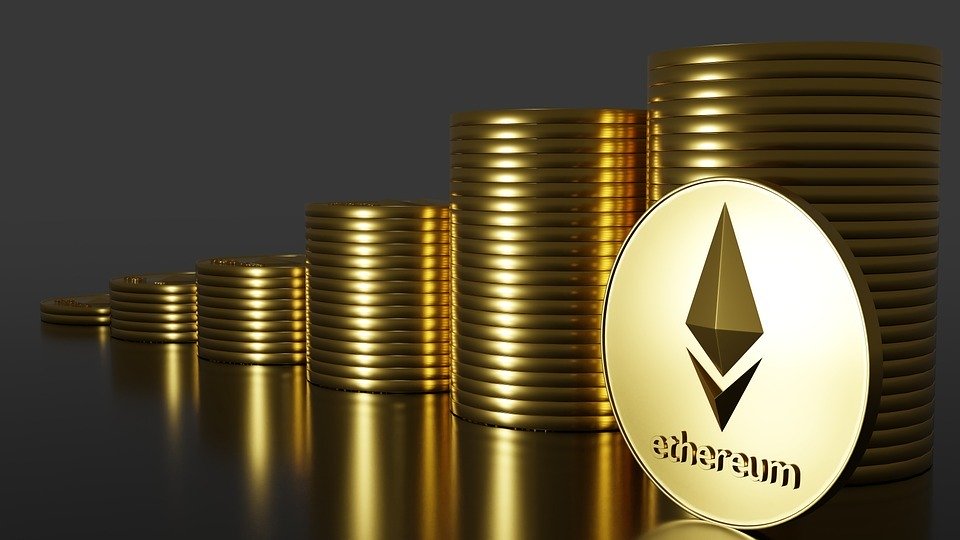
Ethereum is a word that’s been buzzing in the tech, finance, and blockchain communities for years now. If you’ve been following cryptocurrency at all, or even if you’re just starting to dive in, you’ve likely heard about Ethereum’s monumental upgrade—Ethereum 2.0 (ETH 2.0). But what exactly is ETH 2.0, why is it such a big deal, and how does it impact you? In this comprehensive article, we’ll explore every corner of Ethereum’s latest updates and provide you with all the details you need. This deep dive will make the blockchain world, particularly Ethereum, less perplexing while maintaining a natural rhythm of sentence variety and flow.
Table of Contents
-
- Introduction to Ethereum and Its Evolution
-
- What Is Ethereum 2.0? An Overview
-
- Why Was Ethereum 2.0 Necessary? Issues with Ethereum 1.0
-
- Key Features of Ethereum 2.0
-
- Proof of Stake (PoS): The Game Changer
-
- Shard Chains for Scalability
-
- Energy Efficiency: A Greener Blockchain
-
- The Ethereum 2.0 Rollout: A Phased Approach
-
- Phase 1: Introduction of Shard Chains
-
- Phase 2: Full Integration
-
- How Does Proof of Stake (PoS) Compare to Proof of Work (PoW)?
-
- The Impact of ETH 2.0 on Scalability
-
- Will Gas Fees Decrease with Ethereum 2.0?
-
- Security Enhancements in ETH 2.0
-
- How ETH 2.0 Impacts Developers and DApp Innovations
-
- What Does Ethereum 2.0 Mean for Investors?
-
- Challenges and Criticisms of Ethereum 2.0
-
- Competing Blockchains: Can They Keep Up?
-
- What’s Next for Ethereum Post ETH 2.0?
-
- Final Thoughts: Why Ethereum 2.0 Could Shape the Future of Blockchain
1. Introduction to Ethereum and Its Evolution
Before diving into Ethereum 2.0, it’s essential to understand Ethereum itself. Ethereum emerged in 2015, founded by Vitalik Buterin and a team of blockchain pioneers. Unlike Bitcoin, which primarily functions as a digital currency, Ethereum introduced something revolutionary: smart contracts. This feature allows developers to build decentralised applications (DApps) on the blockchain.
Essentially, Ethereum isn’t just a coin; it’s an entire ecosystem. Since its launch, however, Ethereum has faced criticism due to scalability challenges, high gas fees, and energy-intensive mining practices. Enter Ethereum 2.0, a much-needed upgrade promising to revolutionise the world of blockchain as we know it.
2. What Is Ethereum 2.0? An Overview
Ethereum 2.0, also called Eth2 or Serenity, is a series of interconnected upgrades aimed at transitioning Ethereum from Proof of Work (PoW) to Proof of Stake (PoS). This sweeping upgrade isn’t just a facelift; it’s a total transformation of how Ethereum operates. By addressing previous limitations, Ethereum 2.0 seeks to create a blockchain that is faster, more efficient, and incredibly secure.
3. Why Was Ethereum 2.0 Necessary? Issues with Ethereum 1.0
Ethereum 1.0 didn’t scale well. To put it bluntly, the network became a victim of its own success. As more people began using Ethereum for transactions, DeFi projects, and NFTs, the blockchain experienced clogged highways, akin to traffic jams during rush hour.
High gas fees frustrated users, while environmental advocates criticised Ethereum’s energy-hungry Proof of Work consensus mechanism. Essentially, Ethereum 1.0 was lagging under the weight of its ambition, creating pressing demand for ETH 2.0.
4. Key Features of Ethereum 2.0
Let’s take a closer look at the unique offerings ETH 2.0 brings to the table. Removing complexity from its technological jargon, these features reinvent the Ethereum wheel:
Proof of Stake (PoS): The Game Changer
Unlike Proof of Work, where miners compete to solve complex equations, PoS allows validators to be chosen based on the amount of ETH they “stake” as collateral. This approach significantly improves energy efficiency.
Shard Chains for Scalability
Think of shard chains as adding more lanes to a highway. These allow the network to handle drastically more transactions simultaneously. With Ethereum 2.0, scalability is no longer an Achilles’ heel.
Energy Efficiency: A Greener Blockchain
ETH 2.0 promises to reduce Ethereum’s energy consumption by nearly 99.95%. That’s practically revolutionary, especially as global environmental concerns intensify.
5. The Ethereum 2.0 Rollout: A Phased Approach
ETH 2.0 isn’t like flipping a switch—it’s more like unrolling a red carpet, with each phase building on the last.
Phase 0: Beacon Chain
Launched in December 2020, the Beacon Chain introduced Ethereum’s Proof of Stake mechanism. While the Ethereum we knew (Ethereum 1.0) still functioned as is, the groundwork for ETH 2.0 was laid.
Phase 1: Introduction of Shard Chains
Set to be a game-changer, shard chains are Ethereum’s answer to scalability. With multiple chains running in parallel, transactions can happen faster and more efficiently.
Phase 2: Full Integration
The final stage will see a full merger of Ethereum 1.0 with the Beacon Chain, retiring Proof of Work once and for all. It’s like upgrading an engine while keeping the car running—a feat both complex and groundbreaking.
6. How Does Proof of Stake (PoS) Compare to Proof of Work (PoW)?
In simple terms, moving from PoW to PoS is akin to upgrading from a clunky diesel engine to a sleek electric motor.
With PoW, miners need sophisticated hardware, burning tonnes of energy. PoS democratises the process, where anyone who stakes ETH can validate transactions without an energy-intensive setup.
7. The Impact of ETH 2.0 on Scalability
With Ethereum 2.0, the blockchain can reportedly process up to 100,000 transactions per second (TPS), compared to Ethereum 1.0’s limit of 30 TPS. Imagine going from a single-lane road to a full-blown motorway—that’s the level of scalability Ethereum 2.0 unlocks.
8. Will Gas Fees Decrease with Ethereum 2.0?
Ah, the million-dollar question! Gas fees have been a thorn in Ethereum’s side for years. While ETH 2.0 addresses the root causes of high fees, transaction costs may still vary depending on network congestion. However, the scalability improvements should make fees more predictable and affordable in the long run.
9. Security Enhancements in ETH 2.0
Cybersecurity in blockchains is like a never-ending chess game. ETH 2.0 ups the stakes with its robust PoS mechanism, slashing the likelihood of “51% attacks” and ensuring that bad actors have less room to compromise the system.
10. How ETH 2.0 Impacts Developers and DApp Innovations
With Ethereum 2.0, developers stand to gain immensely. Scalable infrastructure means richer DApps and decentralised finance platforms with fewer bottlenecks. It’s essentially providing tech creators with better tools to paint their next Mona Lisa of blockchain innovation.
11. What Does Ethereum 2.0 Mean for Investors?
For investors, ETH 2.0 comes with a double-edged sword. On one hand, the network’s efficiency and scalability should attract more usage, boosting demand. On the other, staking ETH locks it up, reducing liquidity. Smart investors will adapt to these dynamics for long-term profit.
12. Challenges and Criticisms of Ethereum 2.0
Let’s not sugarcoat it—ETH 2.0 is not without hurdles. There’s concern over how long the rollout phases will take, coupled with stiff competition from other blockchains like Solana and Cardano. Some critics argue Ethereum risks losing its first-mover advantage.
13. Competing Blockchains: Can They Keep Up?
Speaking of competitors, Ethereum isn’t the only show in town. Solana boasts faster processing, and Cardano emphasises research-driven innovation. However, Ethereum’s massive developer community keeps its engine roaring, giving it a competitive edge.
14. What’s Next for Ethereum Post ETH 2.0?
Once ETH 2.0 fully launches, the next frontier includes tackling cross-chain interoperability and further green initiatives. Ethereum aims to remain not just relevant, but indispensable in the evolving blockchain ecosystem.
15. Final Thoughts: Why Ethereum 2.0 Could Shape the Future of Blockchain
Ethereum 2.0 isn’t just an upgrade—it’s a watershed moment for blockchain technology. With improved scalability, environmental sustainability, and security, ETH 2.0 is leading the charge into a new era of decentralised innovation.
So, whether you’re a developer, investor, or ardent blockchain enthusiast, ETH 2.0 provides opportunities galore. The future of Ethereum isn’t just brighter—it’s downright dazzling.
By embracing Ethereum 2.0, we aren’t just witnessing the evolution of a blockchain; we’re stepping into the future—one block at a time.