by uncannyfaith | Jan 1, 2025 | Blockchain technology, crypto, Cryptocurrency, Cryptocurrency news and updates, Investing and trading tips
The gaming industry has experienced seismic shifts over the last few decades, with NFT-based gaming becoming one of the most disruptive trends of recent years. Among the standout names in this space is Aavegotchi, a blockchain-based platform that combines decentralised finance (DeFi) mechanics, non-fungible tokens (NFTs), and playful gaming experiences. As we step into 2025, the world of Aavegotchi is set to evolve dramatically, blending innovation and community-driven development to redefine the NFT crypto gaming landscape.
In this deep dive into "Aavegotchi 2025: Trends Shaping the Future of NFT Crypto Gaming," we’ll explore the most anticipated changes, innovations, and opportunities driving the growth of this fascinating ecosystem.
What Is Aavegotchi?
Before we look ahead to 2025, let’s briefly recap what Aavegotchi is. Launched in 2021 by Pixelcraft Studios and built on the Ethereum layer-2 blockchain, Polygon, Aavegotchi allows players to own, interact with, and manage digitally scarce ghost-like collectibles called "Gotchis." These Gotchis are more than just NFTs—they hold unique characteristics that make them functional in DeFi and gaming ecosystems.
Players use $GHST, the platform’s native cryptocurrency, to buy avatars, participate in governance, and engage with various minigames in the Aavegotchi metaverse or Gotchiverse. The project is uniquely positioned at the intersection of blockchain infrastructures, NFT art, and gaming, making it a trendsetter in the Web3 space.
Key Trends Driving Aavegotchi in 2025
1. Metaverse Integration Will Become the Norm
By 2025, metaverse technology is expected to dominate the gaming industry, and Aavegotchi is already ahead of the curve. The upcoming expansions to the Gotchiverse, Aavegotchi’s vibrant digital world, could include enhanced multiplayer gameplay modes, blockchain interoperability, and AR/VR integrations.
While the Gotchiverse currently involves farming activities, land management, and crafting, the next phase may involve immersive experiences where players truly “live” alongside their Gotchis. Within the metaverse, Aavegotchi avatars are poised to act as gateways for both casual gamers and crypto enthusiasts seeking innovative ways to merge gaming and ownership.
Actionable Insight:
Investors and early adopters should pay close attention to speculation around land parcel scarcity and look for opportunities to acquire virtual plots, which may increase in value as the metaverse evolves.
2. Gamification of DeFi Continues to Expand
DeFi mechanics are core to Aavegotchi’s success. Since Gotchis are backed by staked collateral (aTokens), they inherently carry intrinsic value. This gamification of DeFi transforms complex financial concepts into fun, accessible activities for users.
By 2025, DeFi-enabled gaming will likely grow even more sophisticated. Expect features like dynamic staking rewards, DAO-governed ecosystems, and cross-chain DeFi opportunities to enhance Aavegotchi’s appeal. Players will probably be able to optimise their earnings across various DeFi services by strategically managing their Gotchis or land parcels.
Did You Know?
Thanks to Aavegotchi, you’re not just “spending” money when you play; you’re investing in digital assets that yield returns over time.
3. Community-Driven Development Takes the Lead
Since its inception, Aavegotchi has been heavily inspired by its strong community of passionate players and developers. The governance model behind Aavegotchi allows token holders to influence the direction of the platform through the AavegotchiDAO.
In 2025, this community-led development approach will likely solidify Aavegotchi’s reputation as one of the most democratised NFT gaming ecosystems. Features like custom minigame development tools, third-party collaborations, and community marketplace enhancements could flourish. Moreover, players may start contributing new utilities for Gotchis, driving organic growth around the platform.
4. Sustainability in Gaming: Environmentally-Friendly Blockchain Solutions
The debate over blockchain sustainability will continue to heat up as adoption grows, but Aavegotchi’s partnerships with Polygon give it a greener edge over competitors. Polygon’s proof-of-stake (PoS) consensus model reduces energy consumption by orders of magnitude compared to Ethereum’s earlier versions.
By 2025, expect additional innovations that make Aavegotchi even more eco-friendly, possibly including carbon offsetting programs, scalable peer-to-peer verification networks, or partnerships with like-minded blockchain projects. This approach could also resonate with younger, environmentally conscious gamers.
Key Takeaway:
For eco-minded gamers looking for NFT experiences with minimal environmental impact, Aavegotchi offers a sustainable option in crypto gaming.
5. Evolving Play-to-Earn Mechanics
Play-to-earn (P2E) mechanics have made blockchain gaming incredibly lucrative, with players worldwide earning tangible value from their time spent in virtual worlds. Aavegotchi has already capitalised on this concept by integrating earnable $GHST tokens, DeFi staking rewards, and NFT upgrading features.
By 2025, P2E mechanics will likely evolve into more complex, skill-based systems. Players who excel at completing missions, optimising their strategies, or managing land and resources could earn disproportionately higher rewards. This skill-based P2E dynamic incentivises long-term commitment and fosters highly competitive ecosystems.
Pro Tip:
To stay profitable in the evolving P2E space, focus on levelling up your Gotchis and participating in land auctions or staking programs, which could offer boosted rewards.
Challenges & Opportunities for Aavegotchi in 2025
As exciting as the future of Aavegotchi may seem, it’s not without its challenges. These include:
Regulations in the NFT/Crypto Space
Government scrutiny of cryptocurrencies and NFTs may tighten in many jurisdictions by 2025, which could impact adoption rates or restrict certain staking-based features. Projects like Aavegotchi need to invest in compliance and adapt their frameworks to changing laws.
Scalability Concerns
While Polygon currently supports Aavegotchi’s needs, ongoing growth in popularity could strain the network or necessitate alternative scaling solutions. Innovations like Layer-3 connectivity or adoption of newer underlying infrastructure could help mitigate this.
Opportunities to Dominate the Market
On the other side, there’s enormous room for Aavegotchi to loudly proclaim its “first-mover advantage” in DeFi gaming. New partnerships, enhanced cross-chain compatibility, and the addition of AI-powered game mechanics could position it as the leader in NFT gaming innovation.
FAQs About Aavegotchi in 2025
Q1: How can I start playing Aavegotchi?
To play Aavegotchi, you need to purchase a Gotchi using $GHST. Once you have one, you can customise it with wearable NFTs, participate in minigames, and interact with other players in the Gotchiverse. You can also stake tokens within your Gotchi for rewards.
Q2: Is Aavegotchi worth investing in?
Aavegotchi appeals to both gamers and investors. If you’re interested in owning NFTs with real DeFi value or exploring the evolving metaverse, Aavegotchi offers significant upside. However, like all crypto investments, it comes with risks, so always do your research.
Q3: How does Aavegotchi differ from traditional gaming?
Unlike traditional games, Aavegotchi offers ownership of in-game assets (NFTs) and potential returns via DeFi integrations. In short, it lets you both game and invest simultaneously.
Q4: What sets Aavegotchi apart from other NFT projects?
Aavegotchi’s standout feature is its unique combination of DeFi, cultural value, and utility across an evolving metaverse. Its focus on economic sustainability and robust community governance differentiate it in the crowded NFT space.
Final Thoughts: Why Aavegotchi is Ready to Thrive in 2025
Aavegotchi isn’t just a gaming platform—it’s a gateway to the future of decentralised, player-owned economies. As blockchain technology, NFTs, and the metaverse continue to boom, Aavegotchi’s innovative mix of gaming and finance will make it essential to watch.
The trends shaping Aavegotchi in 2025 go beyond short-term fads. From skilful P2E innovations to eco-conscious designs and community-driven growth, Aavegotchi is positioned at the nexus of where gaming meets finance. Whether you’re an investor, a gamer, or simply a blockchain enthusiast, now is the time to keep this NFT ecosystem firmly on your radar.
So why not grab a Gotchi, stake some assets, and dive into the thrilling Gotchiverse? The future awaits—and it’s looking ghoulishly exciting.
Disclaimer: This article is for informational purposes only and does not constitute financial advice. Always research thoroughly and consult with a financial expert before making investments.
by uncannyfaith | Jan 1, 2025 | Blockchain technology, crypto, Cryptocurrency, Cryptocurrency news and updates, Investing and trading tips
The world of cryptocurrency seems to evolve at lightning speed, and amidst this rapid innovation, Quant (QNT) has emerged as a shining star. With its unique focus on interoperability and its mission to connect blockchains seamlessly, Quant has positioned itself as a solution to one of the crypto industry’s most critical problems: fragmentation.
So, what does the future hold for Quant and the broader blockchain ecosystem in 2025? In this article, we’ll explore top predictions and highlight emerging trends shaping the crypto industry. Whether you’re an investor, developer, or crypto enthusiast, this in-depth analysis aims to answer your burning questions and provide a clear roadmap for what lies ahead.
What Makes Quant (QNT) Stand Out?
Before diving into predictions, let’s first understand what differentiates Quant from other cryptocurrencies on the market.
Quant’s primary innovation lies in its Overledger Network, a technology designed to connect multiple blockchains, ensuring seamless interaction across platforms. Essentially, if the blockchain ecosystem were a puzzle of disconnected pieces, Overledger acts as the glue that binds them together.
Here’s why Quant has the potential to flourish even further:
- Interoperability: In 2023, cross-chain functionality became a critical priority for projects. Quant is leading the charge with Overledger, allowing communication between public and private blockchains.
- Enterprise Adoption: Quant has already partnered with financial institutions, governments, and enterprises seeking blockchain solutions. Its ability to be integrated within legacy systems makes it an attractive option for large-scale adoption.
- Regulatory Compliance: Quant’s team has consistently aligned its technology with regulatory frameworks—critical in an era where regulation looms large over cryptocurrencies.
These characteristics are some of the reasons why analysts are optimistic about QNT’s growth as the crypto space becomes more competitive.
Top Predictions for Quant (QNT) in 2025
1. Wider Enterprise Integration
By 2025, we predict Quant will solidify itself as the go-to project for enterprises looking to innovate through blockchain without discarding existing infrastructure. Why is this important? Because the vast majority of industries, including finance, healthcare, and logistics, rely on legacy systems that cannot be easily replaced.
Through its interoperable solutions, Quant allows businesses to benefit from blockchain technology without needing a complete overhaul.
- Example Use Case: Banks could securely transfer data between private and public blockchains for transactions while adhering to local regulations.
- Expert Insight: A report from Gartner predicts that by 2025, 80% of enterprises will have begun some type of blockchain implementation. Quant’s enterprise-ready solutions could account for a significant slice of this adoption.
We can expect integrations with financial giants, potentially including Tier-1 banks, central banks utilising CBDCs (Central Bank Digital Currencies), and large tech companies seeking blockchain infrastructure solutions.
2. Increased Demand for Overledger Licensing
Quant’s Overledger Network isn’t just innovative—it’s profitable. Developers and enterprises that want to use Overledger need a licence, paid for in QNT tokens. As blockchain adoption accelerates, the demand for licensing will naturally rise.
Why QNT Tokenomics Works in Favour of Investors:
- QNT has a limited supply of 14.6 million tokens, making it inherently deflationary.
- Increased demand for licences will result in more businesses acquiring and holding QNT, potentially putting upward pressure on its price.
By 2025, as interoperability becomes standardised within the industry, Quant’s token-burning mechanisms (if introduced) and its role as a utility token could significantly contribute to its value appreciation.
3. Role in Central Bank Digital Currencies (CBDCs)
The concept of CBDCs has already moved from theory to practice. Countries like China are launching digital currencies, while others, including the EU and USA, are exploring their issuance. Here’s where Quant could play a pivotal role.
Quant’s interoperability framework allows for cross-border payment systems and seamless communication between CBDCs on different blockchains. This makes it an attractive choice for central banks looking to ensure their digital currencies function globally.
What Could This Mean by 2025?
- Partnerships with central banks might emerge as Quant provides a scalable infrastructure for global digital currencies.
- As the world edges closer to a cashless economy, Quant’s Overledger could become integral to connecting CBDC-led financial systems.
This potential is already being realised through Quant’s existing involvement with initiatives such as The Digital Pound Foundation.
4. Rise of Interoperability Standards in the Crypto Industry
The term "blockchain interoperability" may sound technical, but it’s set to become as vital as the internet was in the 1990s. The early internet consisted of isolated systems until protocols like TCP/IP created seamless communication.
Quant has the potential to lead the charge in establishing interoperability standards across the crypto ecosystem. By offering robust solutions for multi-chain communication, Quant might play a fundamental role in bridging siloed networks, increasing its dominance by 2025.
Emerging Trends Shaping the Crypto Industry
1. Regulation Becomes a Defining Factor
Unlike the chaotic "Wild West" years of crypto, the mid-2020s will likely see the industry operating under stricter regulation. While this may cause short-term uncertainty, projects like Quant, which champion compliance, are poised to thrive.
2. Shift Towards Utility-Focused Tokens
By 2025, speculative investing may take a backseat to utility-driven projects. The community will likely prioritise tokens that provide real-world solutions and platforms designed for broader adoption. With its enterprise focus, Quant stands out as a clear contender in this evolution.
3. Integration of AI and Blockchain
The intersection of artificial intelligence (AI) and blockchain technology is already under exploration. Quant, with its focus on interoperability, can act as a bridge to enable AI-driven automation across different blockchains, opening a whole new realm of technological potential.
FAQs About Quant (QNT) and Its Future
1. What is Quant (QNT) used for?
Quant connects blockchains and legacy systems through its Overledger Network. The QNT token is required for licensing Overledger and acts as a utility token within the ecosystem.
2. Will Quant be worth investing in by 2025?
While no investment is risk-free, Quant’s unique focus on interoperability, enterprise partnerships, and tokenomics suggest strong growth potential. As always, do your own research before investing.
3. Can Quant help with CBDCs?
Yes! Quant’s interoperability solutions make it a strong candidate for integrating cross-border payments and different CBDC frameworks globally.
4. What is Overledger Network?
Overledger is Quant’s proprietary technology that connects disparate blockchains, enabling seamless data and value transfer.
Final Thoughts
As we approach 2025, Quant (QNT) is poised to become one of the crypto industry’s most valuable assets, thanks to its foundational focus on interoperability. Whether driving CBDC frameworks, de-fragmenting blockchain systems, or leading enterprise adoption, Quant’s versatility and innovation make it a cornerstone of the industry’s future.
For investors, developers, or enthusiasts, keeping an eye on Quant’s development and industry trends could provide strategic insights—not just about QNT, but about the shifting dynamics shaping the future of blockchain. The question is no longer “if” Quant will revolutionise the space, but how far its influence will reach by 2025.
Pro Tip: Bookmark this article and stay updated on Quant’s latest developments—this is one crypto trend you’re going to want to track.
by uncannyfaith | Jan 1, 2025 | Blockchain technology, crypto, Cryptocurrency, Cryptocurrency news and updates, Investing and trading tips
Cryptocurrencies are rapidly evolving, with new innovations and trends continuously reshaping the digital asset landscape. Among these projects, NULS has made its mark as a flexible, modular, and blockchain-friendly platform aimed at simplifying blockchain adoption for developers and enterprises. This article delves deep into NULS price predictions for 2025, highlighting key trends, market dynamics, and actionable insights for investors and enthusiasts alike.
Understanding NULS: What Is It?
Before diving into price predictions, let’s cover the fundamentals. NULS is a multi-chain blockchain infrastructure that enables modular blockchain solutions and microservices. Its aim is to resolve complexities in blockchain technology by allowing easy integration and interoperability among blockchains. The platform’s key products include Nerve Network (a cross-chain interaction protocol) and ChainBox, enabling developers to create custom blockchains effortlessly.
NULS has also adopted a robust Proof of Credit (PoC) consensus mechanism, designed to offer security, efficiency, and flexibility. With its unique functionalities, NULS is both developer-friendly and enterprise-aligned, making it an attractive investment proposition.
So, where does NULS stand from an investment perspective? What might the price look like in 2025? Keep reading as we explore expert projections and industry insights.
The Current State of NULS in the Market
As of 2023 (latest updates), NULS ranks among mid-cap cryptocurrencies, maintaining steady market performance despite global economic uncertainties and crypto volatility. Currently, the price of NULS hovers between $0.20 and $0.35, with a circulating supply of approximately 126 million tokens.
Key Metrics Influencing NULS’ Price:
- Market Capitalisation: NULS’ relatively smaller market cap compared to giants like Bitcoin and Ethereum makes it more volatile but also provides significant upside potential for growth.
- Adoption of Modular Solutions: NULS’ modular approach resonates with developers looking to build agile and efficient blockchains for real-world applications.
- Partnerships and Ecosystem Growth: Collaborations with other blockchain networks and enterprises influence its utility and, by extension, its price trajectory.
Several leading experts are optimistic about the long-term potential of NULS, provided that its ecosystem continues to grow and it solves real-world blockchain challenges.
NULS Price Predictions for 2025: Expert Insights
Predicting the price of any cryptocurrency is a complex process influenced by global market trends, developer activity, investor adoption, and even macroeconomic factors. That said, here are some scenarios and expert estimates for NULS by 2025.
Scenario 1: Positive Growth with Wide-Scale Adoption
In a bullish scenario, where NULS sees increased adoption due to enhanced modular technologies and an expansion of its ecosystem, its price could potentially break $2 to $3 by mid-2025. Here’s why:
- Increased Developer Interest: With modular solutions reducing development time and costs, more developers and enterprises may adopt NULS as blockchain technology becomes mainstream.
- Broader Cross-chain Integrations: By 2025, blockchain interoperability will likely be more advanced, and NULS’ expertise in cross-chain solutions (via Nerve Network) might push demand for its native token.
- Market Growth: If the cryptocurrency market enters another significant bull cycle by 2024-2025, projects like NULS could benefit from wider awareness and investment.
Scenario 2: Moderate Growth
In a more conservative scenario, where market momentum is steady but adoption is gradual, a realistic target for NULS would be $0.80 to $1.20 in 2025.
Factors supporting this moderate growth include:
- Potentially slower-than-expected adoption of blockchain technology in certain industries.
- Competition from other blockchain platforms offering modular services (e.g., Polkadot or Cosmos).
- The broader macroeconomic landscape, including regulations impacting the crypto sector.
Scenario 3: Bearish Outcomes
On the flip side, if the cryptocurrency market faces stringent regulations, stagnation in innovation, or prolonged market downtrends, NULS’ price could remain in the range of $0.20 to $0.50, similar to its current valuation. While this might sound discouraging, sustained utility of NULS as a backbone for blockchain creation could still give it resilience compared to other smaller projects.
What Is Driving NULS’ Price Potential?
Several factors influence NULS’ price performance and its possible trajectory by 2025. Let’s take a closer look at these drivers:
1. Increased Blockchain Adoption
The blockchain industry is projected to grow at a compound annual growth rate (CAGR) of around 68% between 2023 and 2030. This growth is likely to create demand for platforms like NULS that provide scalable, customisable, and cost-efficient solutions.
2. Nerve Network’s Role in the DeFi Revolution
NULS is strongly tied to its companion project, Nerve Network, which facilitates cross-chain decentralised finance (DeFi) operations. With DeFi continuing to grow into a multi-billion-dollar sector, the success of Nerve Network could significantly enhance NULS’ value.
3. Modular Approach to Blockchain Development
The modularity of NULS allows developers to build customised blockchains tailored for specific applications, such as supply chain management, healthcare, and gaming. As enterprises increasingly seek practical blockchain solutions, NULS’ appeal may broaden.
4. Community Growth and Developer Adoption
Cryptocurrencies backed by active communities often outperform those that rely solely on speculation. NULS’ incentivised staking and developer-friendly tools ensure a vibrant ecosystem, which could contribute to long-term price stability.
Key Market Trends to Watch for NULS in 2025
Cryptocurrency markets are often shaped by overarching trends. Here are some major trends expected to influence NULS and similar projects:
Interoperability Will Be Key
By 2025, blockchain systems that seamlessly connect and communicate with each other will dominate the market. NULS’ cross-chain abilities give it a competitive edge, particularly as enterprises seek interconnected systems rather than isolated blockchain networks.
Regulatory Clarity for Cryptocurrencies
As governments worldwide move toward clearer regulatory frameworks, the increased legitimacy of the crypto landscape could positively impact NULS. However, stricter regulations might also present hurdles for certain projects.
Global Economic Climate
Economic factors, from inflation trends to geopolitical stability, will naturally influence the cryptocurrency market. Should the world experience economic recovery or growth in 2024–2025, crypto adoption could rise, offering NULS a fertile environment for growth.
Should You Consider NULS as an Investment for 2025?
When evaluating whether to invest in NULS, consider its utility, ecosystem growth, and market positioning. Here are a few pros and cons to help guide your decision:
Pros:
- Its modular technology simplifies blockchain development, which could see significant adoption.
- The cross-chain capabilities are ahead of many competitors.
- Active staking mechanisms provide holders with potential passive income.
Cons:
- It remains a relatively niche project and may struggle to compete with giants like Polkadot or Ethereum.
- Market dependency and volatility could hinder growth if broader market conditions worsen.
- Regulatory uncertainties might introduce risks.
As always, potential investors should conduct their own research, focusing on investment goals, risk tolerance, and the evolving crypto landscape.
FAQs About NULS Price Predictions and Market Insights
1. What is the current price of NULS?
As of late 2023, the price of NULS ranges between $0.20 and $0.35, depending on market conditions.
2. Can NULS reach $10 by 2025?
While reaching $10 by 2025 is highly ambitious, it is not impossible in a dramatic bull run. However, a more realistic target for NULS would be somewhere between $2 and $3, assuming steady growth.
3. Is NULS a good long-term investment?
NULS has strong fundamentals and a clear focus on simplifying blockchain adoption, which suggests long-term potential. However, as with any cryptocurrency, it carries risks and requires thorough research.
4. How does NULS compare to other blockchain projects?
NULS’ modular solutions and cross-chain integrations set it apart from many traditional blockchains. However, it faces stiff competition from Polkadot, Cosmos, and similar platforms.
5. Where can I buy NULS?
NULS is listed on major exchanges like Binance and KuCoin. Always use verified platforms and secure wallets for safer transactions.
Final Thoughts on NULS Price Predictions for 2025
By 2025, NULS has immense potential to play a pivotal role in the blockchain and cryptocurrency space, courtesy of its flexible technology and use-case-driven approach. While the exact price trajectory remains uncertain, favourable trends, increased blockchain adoption, and ecosystem expansion could see NULS breaking the $1 to $3 range by 2025.
As always, this article serves as a guide and not investment advice. Be sure to diversify your portfolio and consult with financial experts before making any investment decisions. Keep watch on NULS’ development updates and market movements to better understand its potential impact and value.
Ready to explore the world of NULS? Let us know your thoughts in the comments below! 🧐
by uncannyfaith | Jan 1, 2025 | Blockchain technology, crypto, Cryptocurrency, Cryptocurrency news and updates, Investing and trading tips
The world of blockchain is bustling with innovation, and BitTorrent Chain (BTTC) finds itself at the forefront of transformational change. With decentralised technologies consistently evolving, we can expect the next few years to reshape this domain profoundly—and BitTorrent Chain is well-poised to play a pivotal role. As we look towards 2025, it’s essential to explore the trends and predictions that will define its journey and how they will shape the broader blockchain landscape.
If you’re curious about the potential of BTTC and eager to understand where the industry is headed, this blog covers everything in a reader-friendly yet professional tone. So, grab a cup of tea and join us as we dive into the fascinating world of decentralisation, scalability, and the blockchain revolution!
What is BitTorrent Chain? A Quick Refresher
For those unfamiliar with BitTorrent Chain, it’s a cross-chain scaling solution designed to bridge various blockchains. As an evolution of BitTorrent’s original file-sharing technology, BTTC facilitates seamless data transfer and asset exchange across networks such as Ethereum, Binance Smart Chain, and Tron.
Its decentralised design provides efficient scalability while reducing transaction costs—a vital edge in an industry striving for inclusiveness and practicality. Built on the core values of decentralisation, BTTC has attracted widespread interest among developers, investors, and blockchain enthusiasts. But where is it headed in the next few years? Let’s uncover the trends shaping the future of BTTC by 2025.
The Predicted Trends for BitTorrent Chain in 2025
Here are the key trends and predictions for BTTC that will redefine how we use blockchain technology:
1. Cross-Chain Interoperability to Fuel BTTC’s Growth
Blockchain ecosystems are often fragmented, making communication between networks a hurdle. By 2025, BitTorrent Chain’s unique cross-chain interoperability will play a central role in uniting these silos.
With the growing demand for decentralised finance (DeFi) solutions and decentralised applications (DApps), BTTC’s ability to bridge networks like Ethereum and Binance Smart Chain will shift it from being just "another blockchain" to becoming the central hub for multi-network activity. This accessibility and ease of interaction will drive adoption across industries, from gaming to finance and digital assets.
- Why This Matters: Developers and businesses no longer have to pick one blockchain; BTTC allows seamless access across platforms. Imagine transferring assets between networks without worrying about compatibility—this is the future BTTC aims to enable.
Actionable Insight: If you’re a developer or business owner, start exploring how BTTC’s cross-chain capabilities could streamline your operations or DApp development, enabling a truly interoperable experience in 2025.
2. A Surge in Green Blockchain Solutions
Environmental sustainability has become a pressing concern, and blockchain isn’t exempt from this scrutiny. By 2025, BTTC is expected to adopt and improve its eco-friendly solutions to counteract criticisms of earlier-generation blockchains like Bitcoin and Ethereum, both known for their energy-hungry consensus algorithms.
BTTC relies on a Proof-of-Stake (PoS) consensus mechanism, which is far more energy-efficient than the computationally intensive Proof-of-Work (PoW). This mechanism aligns BitTorrent Chain with global efforts to create greener and more sustainable technologies. Expect this to become a key selling point, enabling wide adoption among environmentally conscious entities.
- Why This Matters: As regulations worldwide become more stringent, businesses and projects will prefer eco-friendly blockchain solutions. BTTC’s PoS model will enhance its relevance in these shifting priorities.
Actionable Insight: Begin incorporating sustainability into your blockchain-related projects by switching to eco-conscious platforms like BTTC to stay future-proof.
3. DeFi and NFT Boom: BTTC at the Core
The decentralised finance (DeFi) market and non-fungible tokens (NFTs) are poised for exponential growth by 2025. BTTC could emerge as a significant player in facilitating smart contracts, liquidity pools, decentralised exchanges (DEXs), and NFT marketplaces.
With its high scalability, low fees, and interoperability, projects choosing BTTC over traditional blockchains will save costs while benefiting from faster execution. Expect to see more DeFi protocols and NFT platforms leveraging BTTC as users demand cost-effective and user-friendly solutions.
- Why This Matters: Lower fees and faster transactions mean more users and developers flocking to BTTC, solidifying its foothold in these emerging markets. Imagine minting an NFT on BTTC—cheaper, quicker, and environmentally friendly.
Pro Tip: Whether you’re planning to mint an NFT collection or launch a DeFi protocol, consider BTTC as your platform to ensure scalability and interoperability without the hefty fees.
4. BTTC’s Dominance in Web3 and Metaverse Development
As the Web3 revolution picks up steam, blockchain technology is fast becoming the bedrock of new metaverse platforms. By 2025, BTTC will likely have positioned itself as a critical infrastructure for building metaverse economies and decentralised autonomous organisations (DAOs).
Think concert tickets in the form of NFTs, virtual land sales, or decentralised voting systems within metaverse worlds—all powered by BTTC’s robust technology. Its compatibility with various blockchains ensures that developers can cater to cross-metaverse users without technological constraints.
- Why This Matters: Web3 and metaverse platforms require seamless interoperability and reliable scalability, and BTTC provides this foundation.
Prediction: By 2025, many household names in the gaming and entertainment industries will partner with BTTC to build their decentralised ecosystems.
5. Advanced Security Features to Foster Mainstream Trust
One of the primary challenges preventing mainstream adoption of blockchain technology is security. Hacks, phishing scams, and fraudulent DApps have plagued the industry, raising concerns. By 2025, BTTC is likely to roll out advanced security innovations to protect users and transactions on its platform.
With potential developments like zero-knowledge proof (ZKP) integrations and multi-layered encryption, BTTC will attract greater trust from governments, institutions, and retail users alike.
Takeaway: The convergence of robust features and unmatched security will position BTTC as a leading choice among enterprises and developers seeking a safe environment for innovation.
Predictions for BTTC Adoption by Industries in 2025
Let’s break down how specific sectors could adopt BTTC solutions by 2025:
- Finance: Cross-chain decentralisation for payments and lending.
- Healthcare: Efficient NFT-based medical record handling.
- Entertainment: Lower-cost ticketing and revenue sharing for artists.
- Gaming: Metaverse economies driven by BTTC’s scalability.
Stat to Watch: By 2025, industry analysts suggest that blockchain’s global market value will surpass $39 billion, with BTTC potentially commanding a significant slice of this market pie.
FAQs on BitTorrent Chain 2025
1. What sets BTTC apart from other blockchain platforms?
Its interoperability, scalability, and cost-efficiency. BTTC bridges blockchains while maintaining high-speed transactions and low fees.
2. Can BTTC support enterprise-level projects by 2025?
Yes. With advanced security measures and eco-friendly scalability, BTTC is an ideal choice for enterprises.
3. How will BTTC impact the DeFi and NFT markets?
BTTC provides faster, cheaper transactions and ensures seamless cross-chain compatibility, creating advantages for both DeFi protocols and NFT platforms.
4. Will BTTC operate within the Web3 ecosystem?
Absolutely. BTTC is expected to become a backbone for Web3 and metaverse developments.
Conclusion: BTTC’s Rising Star in the Blockchain Universe
To summarise, BitTorrent Chain is set to emerge as one of the most influential players in the 2025 blockchain landscape. Its unique emphasis on cross-chain interoperability, low-cost transactions, and eco-conscious design makes it a game-changer.
Whether you’re exploring DeFi, NFTs, or metaverse technologies, keeping an eye on BTTC could offer remarkable opportunities for developers, investors, and businesses alike. The clock is ticking toward 2025, and BitTorrent Chain seems ready to lead the decentralised charge.
Ready to embrace BTTC for your next blockchain project? Navigate this journey with confidence as we enter a digitally interconnected era.

by uncannyfaith | Jan 1, 2025 | Cryptocurrency news and updates
The Growing Influence of AI Agents in the Crypto Market
The AI agent market is rapidly gaining traction within the world of crypto assets (virtual currencies). This emerging sector has already reached a market size exceeding 1.5 trillion yen, signaling its enormous potential for growth. Prominent venture capital firms, including major players like Andreessen Horowitz (a16z) and Coinbase Ventures, are showing significant interest in this booming space, identifying it as a major area of expansion by 2025.
The Role of AI Agents in Blockchain Technology
AI agents are becoming a transformative force in the blockchain ecosystem. Operating autonomously, these agents perform a variety of advanced functions, such as price predictions, automated trading, and portfolio management. By leveraging the power of artificial intelligence, these systems streamline decision-making and enhance efficiency for both individual investors and larger institutional players.
A Promising Future for AI and Virtual Currencies
The integration of AI agents with on-chain financial instruments like government bonds is further driving the adoption of cryptocurrencies in mainstream markets. This trend reflects the broader evolution of blockchain technology, with AI-powered systems paving the way for increased innovation and utility in the financial sector.
As we approach 2025, all signs point to AI agents taking on an even greater role in shaping the future of decentralized finance (DeFi) and the crypto market as a whole. With the growing support of industry leaders and investors, the potential for this market to expand further appears almost limitless.
Tags: AI agents, blockchain, crypto assets, cryptocurrency trends, decentralized finance, on-chain technology, market growth 2025
by uncannyfaith | Jan 1, 2025 | Blockchain technology, crypto, Cryptocurrency, Cryptocurrency news and updates, Investing and trading tips
Cryptocurrencies have experienced a massive transformation in recent years, evolving from speculative digital assets to instruments that serve real-world applications. At the forefront of this evolution lies the Energy Web Chain (EWC), a blockchain ecosystem purpose-built to drive the decarbonisation of energy systems worldwide. By blending blockchain technology with renewable energy initiatives, the Energy Web Chain offers a unique opportunity to revolutionise both the crypto landscape and the energy sector. But what does the future hold for Energy Web Chain in 2025? Let’s dive into the emerging trends, innovative solutions, and predictions shaping the future of this sustainable blockchain.
What is the Energy Web Chain? A Quick Refresher
Before we project forward, it’s essential to highlight what the Energy Web Chain encompasses. EWC is a blockchain platform explicitly designed to support applications that aim to decarbonise and modernise the energy sector—a vital step towards climate goals like net zero emissions by 2050.
Utilising an open-source proof-of-authority (PoA) mechanism, EWC prioritises scalability, security, and energy efficiency. Unlike traditional energy-inefficient blockchains, EWC focuses on enabling decentralised and sustainable solutions for energy traceability, green certificates, and energy trading—spearheading a new era in which blockchain aligns with sustainability.
As we move into 2025, Energy Web Chain’s role is expected to grow dramatically within the realms of both crypto technology and renewable energy solutions.
Why is Energy Web Chain Important for a Sustainable Future?
One of the most significant challenges facing humanity today is combatting climate change while catering to the ever-growing energy demand. Blockchain technology, despite its potential, has faced criticism for its high energy consumption, particularly with energy-intensive systems like Bitcoin that rely on proof-of-work. Yet, Energy Web Chain flips the narrative. The importance of EWC lies in its ability to:
- Promote Green Innovations: EWC enables renewable energy tracking, empowering consumers and businesses to demand and use clean energy.
- Decentralise Energy Markets: By facilitating peer-to-peer (P2P) energy trading on a global scale, EWC fosters access to sustainable energy.
- Drive Transparency & Trust: Blockchain records are immutable, creating accountability for organisations on their journey to attaining environmental sustainability.
As governments, investors, and corporations align their strategies with sustainability goals, solutions like Energy Web Chain are more critical than ever.
Trends Shaping the Energy Web Chain in 2025
Looking forward, several trends are poised to drive the development and adoption of the Energy Web Chain by 2025.
1. Green Tokenomics and Sustainable Cryptocurrencies
Sustainability will no longer be optional in the crypto sector. By 2025, we expect compliance with environmental regulations to become a norm, and proof-of-stake (PoS) or similar low-energy consensus mechanisms will dominate.
Energy Web Chain will likely be ahead of this trend, with innovations like green cryptocurrencies and tokenised renewable energy certificates. Such developments allow businesses and consumers to trade fractional ownership of renewable energy assets seamlessly—rendering sustainable practices not only accessible but rewarding through token incentives.
Additionally, decarbonised blockchains may create new forms of digital assets designed explicitly for sustainability markets powered by EWC.
2. Integration with Smart Grids and IoT
The rise of Internet-of-Things (IoT) devices and smart grids is expected to revolutionise the way we manage and monitor energy consumption. In 2025, EWC will likely become the backbone for integrating blockchain into IoT-enabled smart grids.
Smart grids promise increased efficiency through demand-response capabilities, allowing energy providers to adjust their output based on real-time consumption data. By integrating blockchain, EWC could ensure the secure recording of energy transactions, grid-stabilisation measures, and demand signals from millions of IoT devices.
With IoT technologies expanding at an unprecedented rate, EWC’s partnership with IoT-based ecosystems will facilitate seamless energy trading and accountability among users, ensuring transparency in electricity generation and consumption.
3. Regulatory Support for Blockchain in Renewable Energy
Recent regulatory efforts in cryptocurrency governance, EU’s MiCA (Markets in Crypto-Assets) regulation, and countries increasingly investing in renewable energy suggest that EWC will witness more regulatory clarity and adoption by utilities in 2025. Governments will likely require companies and renewable energy plants to integrate with blockchain-based verification systems to track and limit environmental damage.
Beyond this, EWC compliance frameworks may evolve to help organisations meet sustainability goals like ESG (Environmental, Social, Governance) reporting, demonstrating how blockchain tracking aids businesses in securing their “green” credentials while avoiding greenwashing accusations.
4. Cross-Industry Collaborations
Multi-sector integration is likely to expand Energy Web Chain’s footprint in 2025. Partnerships between energy providers, automotive companies, electric vehicle (EV) manufacturers, and blockchain-focused consortia are expected to drive adoption.
For instance, the increasing popularity of electric vehicles (EVs) presents enormous potential for blockchain-powered energy trading platforms such as those hosted on the Energy Web Chain. EVs can serve as mobile producers or consumers of energy, allowing individuals to trade or utilise surplus electricity efficiently via blockchain-powered peer-to-peer solutions.
Industry partnerships with sectors beyond energy—such as tech, transport, and finance—could result in innovative payment models, e.g. pay-as-you-go charging stations using decentralised digital wallets powered by EWC tokens.
Predictions for Energy Web Chain in 2025
With these trends in mind, here’s what the future could look like for the Energy Web Chain in 2025:
Widespread Adoption and Mainstream Solutions
Energy Web Chain may become the industry standard for renewable energy tracking. Utility companies will likely leverage EWC tools to certify the source of electricity and incentivise customers to choose renewable energy over fossil fuels. Wearable devices and home apps could even integrate with EWC to transparently display a household’s decarbonised energy footprint.
A Gigantic Decentralised Energy Market
Powering low-carbon economies can lead to a significant rise in community-led initiatives such as renewable energy cooperatives. The underpinning decentralised nature of EWC could power these cooperatives, helping local communities democratise access and ownership of small-scale renewable energy systems like solar panels and wind turbines.
Digital Identity for Energy Assets
By 2025, it’s highly likely that Energy Web will expand its decentralised digital identity for energy assets—allowing energy devices (like solar panels or electric cars) to self-authenticate their participation in decarbonised activities.
Such energy assets could transact autonomously through blockchain while owners earn rewards for optimally distributing green energy within a smarter, decentralised grid.
Tactical Innovations to Expect from Energy Web Chain
The evolving needs of the energy ecosystem mean that active innovation is not just expected but necessary. By 2025, EWC may introduce:
- Dynamic Renewable Energy Pricing Models: Tokenisation will facilitate real-time energy market pricing without intermediaries.
- AI Integration: Harnessing AI algorithms for predictive analytics to improve energy distribution on decentralised grids.
- EWC Ecosystem Expansion: Additional dApps (decentralised applications) tailored for industries like agriculture, manufacturing, and transport.
- Gamification in Sustainable Behaviours: Incentives may include gamified rewards for users adopting renewable practices (e.g., earning tokens for reduced consumption).
Actionable Takeaways: How Can You Prepare for the EWC Revolution?
If you’re a business leader, tech enthusiast, or environmentally conscious citizen, here’s how you can prepare to be part of this sustainable crypto-future:
- Invest in Knowledge: Educate yourself on blockchain, renewable energy systems, and decentralised applications.
- Adopt Green Practices: Look into certifying your energy with blockchain to stand out in a competitive market.
- Explore Tokenisation: Consider how you can leverage tokenised solutions, like renewable energy credits, to meet sustainability goals cost-effectively.
- Advocate for Change: Encourage governments and regulators to adopt blockchain-powered systems like EWC to advance local green initiatives.
FAQ: Clearing Up Common Questions
What Makes Energy Web Chain Unique?
EWC focuses exclusively on transforming the energy sector through sustainability-driven blockchain technology, setting itself apart from general-purpose platforms like Ethereum.
Is EWC Truly Energy Efficient?
Yes, EWC operates on a proof-of-authority consensus, which requires significantly less energy compared to proof-of-work models like Bitcoin.
Can Businesses Use Energy Web Chain in 2025?
Absolutely! EWC is expected to grow in popularity among businesses, offering tools for green energy tracking, emission offset compliance, and seamless P2P energy trading.
The Energy Web Chain in 2025 represents a pivotal step toward merging blockchain innovation with responsible climate action. By catalysing renewable energy adoption and transforming outdated energy models, EWC sets the stage for a fairer, greener, and decentralised future. Let’s embrace this sustainable revolution—because when technology and purpose align, the possibilities are endless.
Ready to power a sustainable future? Start exploring Energy Web Chain today and become a part of the blockchain-led green economy poised to make waves in 2025!
by uncannyfaith | Jan 1, 2025 | Blockchain technology, crypto, Cryptocurrency, Cryptocurrency news and updates, Investing and trading tips
Sure! Here’s an outline for the article, and I’ll dive right in afterward for your specified post:
The cryptocurrency and decentralized web ecosystem has come a long way since its inception. Pioneering technologies like Bitcoin and Ethereum have paved the way for innovation – but as we set our sights on 2025, one word dominates the conversation: Blockstack.
But what exactly is Blockstack, and what role will it play in shaping the decentralized web? More importantly, what key trends can we expect to dominate the cryptocurrency and blockchain space as this ecosystem evolves?
In this article, we’ll explore the transformative trends that will likely define Blockstack 2025, digging deep into how today’s groundwork is setting the stage for tomorrow. From decentralised finance (DeFi) to Web 3.0 and beyond, let’s unpack the innovations that could reshape our digital future.
What is Blockstack?
Before diving into the trends and forecasts for 2025, let’s clarify what Blockstack is and why it’s poised to become a central player in the move towards a truly decentralised internet.
Blockstack is a pioneering blockchain platform that powers decentralised apps (dApps) and digital asset ecosystems. Built around privacy, security, and ownership, Blockstack enables developers to build applications without compromising user data.
What makes Blockstack different?
Unlike traditional internet ecosystems where user data is controlled by corporations, Blockstack ensures data is encrypted and stored directly with users. Through its Stacks (STX) blockchain, developers and crypto enthusiasts alike can leverage the framework to create decentralised applications that operate seamlessly yet allow full user autonomy.
One of its most compelling features is its use of a novel concept called Proof of Transfer (PoX), which bridges the gap between Bitcoin’s stability and utility and Blockstack’s innovation.
Trends Transforming Blockstack and Cryptocurrency in 2025
Looking ahead, several major trends are expected to dominate the Blockstack ecosystem and the broader decentralised web by 2025.
1. The Rise of Web 3.0: Ownership Redefined
Web 3.0 – a decentralised, next-generation iteration of the internet – has been steadily gaining traction. By 2025, it’s poised to be the central operating framework for online experiences, with Blockstack acting as one of Web 3.0’s backbones.
This movement will prioritise:
- Decentralisation: No single entity will control platforms or user data, unlike today’s Big Tech monopolies. Blockstack’s infrastructure ensures secure and decentralised protocols.
- Data Ownership: Blockstack already empowers users to control their data rather than relying on centralised servers.
Actionable Insight: Consider adopting or building on platforms that integrate with the vision of Web 3.0 to stay ahead in the decentralised ecosystem.
2. Consolidation of Decentralised Finance (DeFi) Tools
The power of DeFi has revolutionised financial services, bypassing traditional banking systems. By 2025, the synergy between DeFi protocols and Blockstack’s dApps will create secure, efficient platforms for financial services like lending, trading, and staking.
Here’s Why This Matters:
- DeFi tools will further democratise access to financial opportunities, even in regions previously excluded by legacy financial systems.
- Layering Blockstack’s privacy-focused ethos over DeFi will bolster user trust and reduce the risks associated with hacks or rug-pulls.
For example, Stacks-based smart contracts are already expanding the DeFi ecosystem while prioritising user safety — and this is just the beginning.
Pro Tip: Stay ahead by exploring Blockstack-integrated wallets or staking options to earn secure, decentralised returns on investments.
3. NFTs Evolving Beyond Digital Art
While non-fungible tokens (NFTs) have taken the art and entertainment world by storm, 2025 will likely see them evolve into mainstream utilities far beyond collectibles. Blockstack can play a pivotal role in this transition by ensuring ownership, provenance, and transparency.
Future NFT Use Cases:
- Digital Identity: Blockstack’s decentralised identity systems will enable tokenised personal data via NFTs – completely controlled by their owners.
- Gaming Economies: In-game assets tokenised via Blockstack frameworks could truly belong to players. Imagine transferring gaming rewards seamlessly across platforms!
By expanding the utility of NFTs, Blockstack could help unify assets into a more integrated and decentralised economy.
4. Greater Integration with Bitcoin’s Ecosystem
One of Blockstack’s biggest advantages is its integration with Bitcoin, the world’s largest blockchain. Using the Proof of Transfer (PoX) model, Blockstack anchors its blockchain to Bitcoin’s security, leveraging its unparalleled network effect.
By 2025, developers using the Blockstack ecosystem may have unparalleled opportunities to combine Bitcoin scalability with decentralised innovation—making it even more robust and secure.
Why This Integration is Important:
- Bitcoin is the "gold standard" of cryptocurrency, and integrating it directly with Blockstack creates unmatched reliability.
- Developers avoid reinventing the wheel while still building versatile applications.
Expert Insight: Blockchain influencers anticipate increased adoption of Stacks-based platforms as Bitcoin moves into ecosystems beyond currency.
5. Privacy-First Protocols Taking Centre Stage
In line with changing consumer attitudes, privacy will remain a growing concern in 2025. Governments and corporations have increased surveillance efforts over the past decade. In opposition, platforms like Blockstack champion consumer protection by default.
With the push for GDPR-compliant decentralisation already underway, Blockstack stands out, offering encryption directly built into the protocol. This user-first privacy focus will further cement its relevance as more companies adopt privacy-first principles.
Challenges Blockstack May Face By 2025
While the future of Blockstack and the decentralised web appears promising, challenges exist:
- Regulatory Concerns: Governments worldwide may seek to regulate cryptocurrencies and decentralised platforms, adding friction to adoption efforts.
- Scalability Issues: As more applications rely on Blockstack, scaling the network to meet demand while preserving efficiency will become crucial.
- Competition: Emerging blockchain solutions like Solana, Polkadot, or Cardano aim to grab market share in the dApp space.
Despite these hurdles, Blockstack’s focus on integrating privacy, user empowerment, and Bitcoin-backed security positions it strongly to weather industry challenges.
Real-Life Success Stories with Blockstack
As we inch closer to 2025, Blockstack dApps are becoming a hub for innovators and developers. Platforms like Sigle (a decentralised blogging platform built on Stacks) and apps prioritising user-governed data highlight how future innovators will use this ecosystem.
Imagine implementing these tools at scale while respecting user autonomy, reducing surveillance, and creating equitable internet protocols. This aligns perfectly with Web 3.0’s aspirations!
Frequently Asked Questions
Q1: What makes Blockstack different from traditional app platforms?
A: Blockstack decentralises app frameworks, ensuring user data is encrypted and ownership remains with the user instead of being stored on centralised servers.
Q2: Can I invest in Blockstack or its Stacks tokens?
A: Yes! Stacks (STX) is Blockstack’s native cryptocurrency, used for smart contracts, staking, and voting, offering exciting opportunities for investors.
Q3: Does Blockstack integrate with other major cryptocurrencies?
A: Yes. Blockstack leverages Bitcoin’s blockchain via Proof of Transfer (PoX), blending its features with the security of the Bitcoin network.
Call-to-Action: Embrace the Decentralised Future
By 2025, the decentralised web could revolutionise how we interact, create, and transact online. Blockstack’s innovative framework positions it as a central figure in this transformation. Whether you’re a developer, crypto enthusiast, or simply a curious learner, now is the time to explore how you can participate in the Blockstack ecosystem.
Are you ready to build on the decentralised web or invest in the future economy? Let’s make 2025 the year that Blockstack emerges as a powerhouse for digital empowerment.
Your next step: Dive into Blockstack today and start exploring how this blockchain-based platform can transform your business or personal digital experiences!
Let me know if you’d like adjustments or specific modifications!
by uncannyfaith | Jan 1, 2025 | Blockchain technology, crypto, Cryptocurrency, Cryptocurrency news and updates, Investing and trading tips
The cryptocurrency world continues to evolve at a rapid pace, with established digital assets like Bitcoin and Ethereum paving the way for innovation. Amongst these major players, Peercoin quietly holds a unique position—a cryptocurrency with a distinct focus on energy efficiency and decentralised security. But what does the future hold for Peercoin? How will it shape its own trajectory as we move closer to 2025? This article dives deep into Peercoin 2025: Trends and Predictions Shaping the Future of Cryptocurrency, exploring its potential, expert insights, and actionable takeaways for investors and enthusiasts alike.
What is Peercoin, and Why Does it Matter?
Before diving into future trends and predictions, it’s worth taking a moment to understand the basics of Peercoin. Launched in 2012, Peercoin (PPC) was the first cryptocurrency to introduce the Proof of Stake (PoS) consensus mechanism. Unlike Bitcoin’s energy-intensive Proof of Work (PoW), Peercoin’s PoS mechanism rewards users for holding coins, reducing the environmental footprint of blockchain operations while promoting decentralisation.
Peercoin may not dominate the headlines like some other coins, but its innovative approach to energy-efficient blockchain technology and long-term sustainability has gained it a loyal following. With the current wave of interest in eco-friendly cryptocurrency solutions, Peercoin’s ethos is more relevant than ever.
In a world increasingly concerned about blockchain energy consumption, could Peercoin find its moment in the spotlight by 2025? Let’s take a closer look at the key trends and predictions shaping Peercoin’s future.
Trend 1: Growing Demand for Energy-Efficient Cryptocurrencies
The global conversation around climate change has not left the blockchain space untouched. Bitcoin’s massive energy consumption is frequently criticised, with reports often highlighting its carbon footprint. This has pushed many institutional players and retail investors to look for greener alternatives.
Peercoin, with its Proof of Stake mechanism, positions itself as a “low-energy” cryptocurrency, offering potential solutions to blockchain’s ecological challenges. By 2025, we can expect a significant shift in investor preferences toward more energy-efficient coins, driving renewed interest in Peercoin.
Actionable Insight
- Invest in eco-friendly projects: If you’re bullish on sustainable blockchain technologies, Peercoin could be a worthwhile addition to your portfolio, especially as conversations around green cryptocurrencies intensify.
Trend 2: Increased Use Cases and Utility
One of the key factors that determine the longevity and success of any cryptocurrency is its utility. While Peercoin was designed primarily for decentralised security and energy efficiency, the ecosystem around it continues to grow steadily.
By 2025, we could witness Peercoin’s adoption in areas like:
- Decentralised Finance (DeFi): With DeFi’s explosive growth showing no signs of slowing, Peercoin could integrate itself into new financial systems, offering stability and efficiency.
- Tokenisation and Asset Security: The rise of tokenised assets could position Peercoin’s blockchain as a secure, eco-friendly platform for issuing smart contracts and managing decentralised applications (dApps).
Expert Quote
According to blockchain expert John K. Ramirez, “Peercoin’s consistent innovation with green technology and Proof of Stake opens the door for its integration into real-world applications like DeFi and tokenisation. If timed right, this could rapidly expand Peercoin’s footprint by 2025.”
Trend 3: Regulatory Developments and Their Impact
Another major player in Peercoin’s future is regulation. Governments around the world are increasingly stepping in to manage cryptocurrency markets, affecting everything from investor confidence to exchange listings. Peercoin’s relatively modest presence may protect it from excessive regulatory scrutiny, making it a viable alternative.
Furthermore, as governments implement policies favouring eco-friendly technologies, Peercoin could enjoy a surge in institutional confidence due to its environmentally conscious design.
Takeaway Tip
Keep an eye on the evolving regulatory landscape. Peercoin-friendly regulations could open up pathways for broader adoption, while adverse legislative moves may call for reassessment of its growth trajectory.
Trend 4: Peercoin Holding Value Amid Market Volatility
By design, Peercoin is structured to prioritise sustainability, boasting an inflationary yet predictable model. Unlike Bitcoin’s capped supply, Peercoin’s annual inflation is designed to grow slowly over time, encouraging consistent participation in securing the network. This makes Peercoin less susceptible to market volatility, a characteristic that may appeal to risk-averse investors by 2025.
When combined with its decentralised security model, there’s a case for Peercoin becoming a reliable store-of-value asset alongside other leading cryptocurrencies.
Predictions for Peercoin in 2025
Having explored the key trends driving Peercoin, let’s shift the focus to predictions for 2025. While forecasting any cryptocurrency’s future is inherently uncertain, viewing progress through the lens of technology, utility, and market sentiment allows us to make reasonable assumptions.
1. Market Capitalisation Gains
Although Peercoin is not currently in the top-tier market cap rankings, 2025 could see a rise in this metric. Its alignment with energy efficiency and continued improvements in scalability will likely attract eco-focused investors.
2. Broader Cross-Chain Integration
By 2025, Peercoin could no longer operate in isolation. The blockchain world is moving toward cross-chain solutions that allow assets and data to be transferred seamlessly between different blockchains. Peercoin integrating into such developments would unlock new possibilities for adoption.
3. Partnerships and Ecosystem Growth
Expect Peercoin to collaborate more actively with businesses and developers. Strategic partnerships with eco-conscious tech projects or DeFi platforms could drive adoption while increasing overall utility.
4. Greater Public Awareness
As end-users become more educated about blockchain’s impact on sustainability, Peercoin’s USP as a green cryptocurrency could make it a mainstream name in cryptocurrency discussions.
5. Price Potential
Finally, while price predictions should always be approached cautiously, many experts agree that Peercoin holds potential for moderate but steady growth in valuation if its planned developments come to fruition. A price increase driven by increased demand for low-energy cryptocurrencies seems plausible by 2025.
FAQ Section: Common Questions About Peercoin
1. What makes Peercoin different from Bitcoin and Ethereum?
Peercoin pioneered the Proof of Stake system, which is far more energy-efficient than Bitcoin’s Proof of Work. It also allows for predictable inflation and long-term scalability.
2. Is Peercoin a good investment?
While it’s not as widely known as Bitcoin or Ethereum, Peercoin appeals to environmentally conscious investors. However, as always, it’s important to DYOR (Do Your Own Research) before investing in any coin.
3. Will Peercoin survive increased competition in the crypto space?
Peercoin’s focus on energy efficiency and decentralised security differentiates it from its peers. By addressing these unique niches, it maintains the potential to thrive despite competition.
4. Where can I buy Peercoin?
Peercoin is available on multiple cryptocurrency exchanges, including Bittrex, HitBTC, and CoinEgg. Always ensure you use a secure wallet to store PPC.
Conclusion: Peercoin’s Path to 2025
As we approach 2025, Peercoin finds itself perfectly positioned to benefit from some powerful trends in the cryptocurrency world. From sustainability-focused investors to the demand for energy-efficient blockchain solutions, Peercoin offers a unique value proposition that aligns with the shifting priorities of both users and regulators. However, success will ultimately depend on factors like ecosystem expansion, broader adoption, and effective communication of its core advantages.
Whether you’re a long-time Peercoin supporter or a curious observer just entering the crypto world, the trends shaping Peercoin’s future are worth watching. By staying informed and strategically aligned, you may find yourself ahead of the curve as Peercoin secures its spot in the ever-growing cryptocurrency landscape.
Looking to explore more actionable insights on blockchain? Check out our latest articles to stay updated!
by uncannyfaith | Jan 1, 2025 | Blockchain technology, crypto, Cryptocurrency, Cryptocurrency news and updates, Investing and trading tips
Cryptocurrencies are no longer just a niche financial instrument discussed among tech enthusiasts and early adopters. Over the past decade, they’ve transitioned into a global phenomenon, poised to revolutionise the way we transact and interact with money. One of the most exciting players in this space is Pundi X, a platform aimed at making cryptocurrency payments seamless, accessible, and mainstream. But what does the future hold for Pundi X in 2025? Let’s explore the trends, opportunities, and challenges that will drive the company and the broader cryptocurrency payment ecosystem forward.
What is Pundi X, and Why is it Important?
Before we dive into predictions for 2025, let’s briefly cover what Pundi X is.
Pundi X is a blockchain-based project that revolutionises the way businesses and individuals interact with digital assets by enabling everyday cryptocurrency payments. The cornerstone of its ecosystem is the Pundi XPOS device—an intuitive point-of-sale (POS) system that allows retailers to accept crypto payments as naturally as they accept cash or credit cards.
With a mission to "make blockchain technology accessible to everyone," Pundi X strives to bridge the gap between digital assets and real-world usability. By tackling the long-standing problem of crypto’s limited accessibility, Pundi X holds a crucial position in the global push for cryptocurrency adoption.
Now that we understand the basics, let’s delve into the trends and predictions shaping the future of both Pundi X and crypto payments in 2025.
Cryptocurrency Payments in 2025: A Growing Global Trend
The landscape of cryptocurrency payments will be vastly different by 2025 due to several macroeconomic and technological shifts. Here’s how:
1. Mainstream Adoption of Cryptocurrencies
By 2025, cryptocurrencies are expected to become an integral part of payment ecosystems worldwide. Major retailers, payment gateways, and governments will likely embrace crypto as a legitimate form of payment due to:
- Increased public awareness: As cryptocurrencies become a common topic in financial literacy campaigns, their adoption among everyday users will surge.
- Stablecoins leading the charge: Stablecoins pegged to fiat currencies, such as USDT or USDC, will encourage sceptics to enter the space without the fear of volatility.
- Elimination of barriers: With devices like Pundi XPOS making crypto transactions as seamless as swiping a card, more people will use digital currencies in their daily lives.
Pundi X will likely be at the forefront of this revolution. Its focus on real-world usability, user-friendly devices, and extensive global partnerships will place it in a strong position to capitalise on the explosive adoption curve of cryptocurrency payments.
2. Increased Demand for Decentralised Solutions
Privacy concerns, data breaches, and a growing mistrust in traditional financial systems are driving consumer demand for decentralised financial solutions. Blockchain-based payment systems, like those facilitated by Pundi X, offer transparency, security, and autonomy over one’s own finances—qualities that will resonate with users in 2025.
Actionable Insight:
To prepare for this trend, businesses should consider integrating tools like Pundi XPOS to cater to a tech-savvy audience, providing them with decentralised, blockchain-backed payment options.
3. Government Regulation and Its Impact
One of the biggest challenges for cryptocurrency adoption remains government regulation. By 2025, it’s expected that most countries will have a clearer regulatory framework governing cryptocurrencies and digital assets. While this may impose certain restrictions, it will also provide legitimacy and encourage corporate participation.
Governments are also likely to issue central bank digital currencies (CBDCs), competing directly with decentralised cryptocurrencies. Here, Pundi X has an opportunity to act as a bridge between privately issued tokens, public cryptocurrencies, and government-controlled digital currencies.
Expert Insight:
According to financial analyst Jamie Burke, “Projects like Pundi X are primed to thrive in a regulated market because they prioritise compliance and have the potential to work alongside emerging CBDC ecosystems.”
4. Hyper-Personalised Payment Solutions
Tech-enabled personalisation will define cryptocurrency payments in 2025. With the help of artificial intelligence and blockchain technology, payment platforms may integrate tailored solutions such as:
- Payment preferences based on user habits.
- Smart contracts that execute recurring or conditional payments.
- Loyalty systems integrated into blockchain to reward frequent customers.
Pundi X, with its focus on user-centric design, might introduce “smart POS” systems to cater to hyper-personalised preferences, further boosting retailer and customer satisfaction.
5. Expansion in Emerging Economies
Emerging economies like Southeast Asia, Africa, and Latin America are already hotspots for cryptocurrency adoption due to their underbanked populations. By 2025, these regions will become critical markets for platforms like Pundi X.
The ability to tap into these high-growth markets is one of Pundi X’s strongest assets. For example, local merchants in rural areas can leapfrog outdated payment systems and embrace Pundi XPOS devices or mobile applications for crypto transactions.
Pundi X in 2025: Key Predictions
So, what can we anticipate for Pundi X’s growth and evolution by 2025? Below are predictions that highlight the company’s potential future impact:
1. Wider Deployment of XPOS Devices
By 2025, Pundi X could achieve mass-scale distribution of its XPOS devices across small businesses, malls, stadiums, and transport hubs globally. Partnerships with retailers, restaurants, and even government-run services will make these devices as ubiquitous as traditional card payment systems.
2. Strategic Partnerships and Network Expansion
One of the most significant drivers of Pundi X’s success will be its partnerships. In addition to collaborations with retail giants, the company may forge alliances with financial institutions, payment gateways, and institutional investors to fuel its ecosystem’s growth.
3. NFTs and Token Integration
With the NFT market maturing, Pundi X may expand its ecosystem to include tools for NFT transactions on their XPOS devices. Retailers could, for instance, sell NFT-backed products or services directly, enabling customers to make purchases via crypto wallets.
4. Focus on Regulatory Compliance
By committing to government regulations while retaining the decentralised ethos of blockchain, Pundi X will position itself as a compliant player in the evolving crypto space. This could involve adding features like identity verification or integrating CBDC functionalities.
Challenges Ahead for Pundi X
Even with a promising future, Pundi X must overcome several challenges to reach its full potential:
- Regulatory hurdles: Navigating varying global regulations is a complicated task, especially for a service that operates across borders.
- Competition: Rivals in the blockchain payment space, including Visa’s crypto efforts and other emerging startups, pose a constant threat.
- Public perception: Convincing customers and businesses to transition from familiar systems to crypto-based payments will require significant effort and education.
Actionable Insights for Businesses
For businesses preparing for this crypto-driven future, here are actionable steps to consider:
- Start small: Invest in integrating basic cryptocurrency payment options to gauge customer interest. Pundi XPOS offers a scalable entry point.
- Stay informed: Keep up with regulatory changes and choose crypto platforms already committed to compliance.
- Educate customers: Offer guides, tutorials, or discounts for customers who pay via cryptocurrency to familiarise them with the process.
Frequently Asked Questions (FAQs)
1. What is the Pundi XPOS device?
The Pundi XPOS is a point-of-sale system that enables retailers to accept payments in cryptocurrencies, making digital asset transactions as easy as traditional payment methods.
2. Will cryptocurrencies replace traditional payments by 2025?
While unlikely to fully replace cash and card systems, cryptocurrencies will play a significant role in complementing existing payment methods.
3. How does Pundi X ensure regulatory compliance?
Pundi X is actively working with governments and aligns its ecosystem with legal standards, ensuring safe and compliant operations in diverse markets.
Conclusion
As we look to 2025, it’s clear that Pundi X is set to play an integral role in driving the future of cryptocurrency payments. By combining decentralisation, accessibility, and innovation, the company is bridging the gap between crypto technology and everyday usability. Businesses, developers, and investors should watch Pundi X closely, as its growth reflects the broader evolution of how the world will transact in the years to come.
The future of payments is being written today—and platforms like Pundi X are holding the pen. Are you ready to embrace it?
Optimised for readability and discoverability, this article is designed to inform readers about the exciting future of Pundi X while offering valuable insights for businesses and individuals alike.
by uncannyfaith | Jan 1, 2025 | Cryptocurrency news and updates
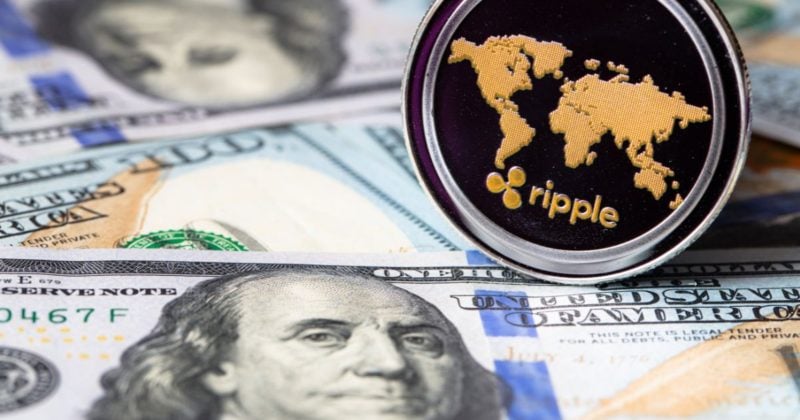
Ripple’s Legal Chief Advocates for Restrained SEC Oversight in Crypto Regulation
Key Insights:
- Ripple’s Chief Legal Officer emphasized that the SEC should limit its authority strictly to securities transactions.
- According to Ripple, a digital token by itself is not a security, although it can be involved in a securities transaction under specific circumstances.
Ripple’s Stance on SEC Oversight
Ripple’s Chief Legal Officer (CLO) has called for a more measured and legally sound approach from the SEC when regulating the crypto industry. By limiting its authority to securities transactions, Ripple’s CLO hopes the SEC avoids overstepping its jurisdiction.
Using an illustrative example, Ripple’s CLO explained that selling a gold bar with contractual rights to a gold mine could classify as a "securities transaction." However, simply selling that same gold bar without any post-sale commitments or additional obligations qualifies as an "asset sale," something that is beyond the SEC’s regulatory scope.
Ripple is urging the SEC to acknowledge the distinction between securities and assets in digital trading contexts. The CLO reiterated that a token itself is not inherently a security, but it can be part of a securities transaction depending on how it’s sold.
The Call to End “Token Evolution” Misconceptions
Ripple has also challenged the notion that a digital token can "evolve" over time from a security to a non-security, labeling the idea as a “legal fallacy” without factual grounding. The CLO stressed that such interpretations overcomplicate crypto regulation and lack support in established law.
Additionally, Ripple encouraged the SEC to refine its regulatory focus and avoid expanding its jurisdiction based on subjective interpretations or overly broad disclosure requirements. By adhering to its legal boundaries, the SEC can better serve the evolving crypto landscape.
Resolution Expected in SEC vs. Ripple Case
The longstanding legal battle between Ripple and the SEC, centered on whether XRP is classified as a security, is anticipated to conclude soon. The outcome will be heavily influenced by ongoing litigation and broader regulatory attitudes.
With recent political leadership changes and pro-crypto leanings rumored within the regulatory body, there is cautious optimism for a favorable resolution for Ripple. Notably, the incoming wave of crypto-friendly appointments could accelerate a settlement or even lead to the SEC withdrawing its case altogether.
However, at the heart of the matter remains the classification of XRP. With Second Circuit Court appeals underway, legal analysts suggest this ruling could not only affirm but potentially expand upon favorable lower court rulings for Ripple. A positive resolution may even trigger significant price surges for XRP, as investors and analysts await clarity on the coin’s status.
Final Thoughts: Charting a Path for Crypto Regulation
Ripple’s legal representation views the SEC as an essential player in the U.S. financial system but one that needs to refine and focus its regulatory role when it comes to the crypto industry. By addressing and clearing ambiguities surrounding token classifications, Ripple hopes the market will gain the clarity it needs, paving the way for growth and innovation in blockchain technologies.
Summary:
Ripple is urging the SEC to adopt a focused, legally defined approach to crypto oversight, limiting its scope to securities transactions. As the Ripple vs. SEC lawsuit nears its conclusion, clarity on whether XRP is a security could drive significant market movements. Ripple continues to advocate for clear rules that separate securities from assets in the evolving digital landscape.
by uncannyfaith | Jan 1, 2025 | Blockchain technology, crypto, Cryptocurrency, Cryptocurrency news and updates, Investing and trading tips
The world of cryptocurrency is dynamic, ever-changing, and filled with exciting opportunities. One space that’s rapidly gaining traction within the blockchain ecosystem is decentralised cloud storage. Leading this innovative domain is Siacoin (SC), a project that takes cloud storage to the next level by leveraging blockchain technology. With a unique model and growing interest in decentralised storage solutions, many potential investors and technology enthusiasts are wondering: What will Siacoin’s price look like by 2025?
In this in-depth article, we’ll explore Siacoin’s price predictions for 2025, the factors driving its growth, and the broader implications of decentralised cloud storage. Whether you’re a crypto enthusiast, a potential investor, or just curious about the future of blockchain technology, this comprehensive guide will give you actionable insights and clear answers.
What Is Siacoin? A Quick Refresher
Before diving into predictions, it’s essential to understand what makes Siacoin special.
Siacoin (SC) is the native cryptocurrency of the Sia platform, a blockchain-based decentralised storage solution. Unlike traditional cloud storage providers like Google Drive, Dropbox, or Amazon Web Services (AWS), Sia decentralises data storage by distributing files across multiple independent hosts. Users pay hosts (who provide storage space) with SC tokens, while smart contracts ensure transactions are secure and reliable.
This decentralized model offers numerous benefits:
- Lower Costs: Sia claims to offer cloud storage at a fraction of the cost charged by traditional services.
- Enhanced Privacy: Modular encryption ensures that nobody except the data owner can access stored files.
- Resilience: Decentralisation reduces the risk of downtime and single points of failure.
With these features and an increasing focus on data privacy, the demand for decentralised cloud storage could drive substantial adoption in the coming years.
Siacoin’s Historical Performance
Past Trends and Market Behaviour
Looking at Siacoin’s price history can help us understand its growth trajectory and future potential.
-
2015 – 2017: Siacoin had a relatively slow start after its 2015 launch. It remained inexpensive, with a price below $0.01 for most of this period.
-
2017 Bull Run: During the broader market boom in late 2017 and early 2018, SC hit an all-time high of ~$0.11. This spike showcased its potential when market sentiment is positive.
-
2018 – 2020 Crypto Winter: Like many cryptocurrencies, SC experienced significant dips during the "crypto winter." Despite this, the project continued to evolve, focusing on technological advancements and user adoption.
- 2021 Recovery: With a global resurgence of interest in blockchain technology, SC regained momentum, supported by increasing awareness of decentralised storage solutions.
Current Landscape (2023)
As of late 2023, Siacoin’s price hovers between $0.002 and $0.004. While that may seem modest, the project’s underlying fundamentals remain strong. With growing demand for secure, private, and cost-effective cloud storage, SC is well-positioned for steady growth.
Price Predictions for 2025: What to Expect?
Predicting cryptocurrency prices is inherently speculative, as market fluctuations depend on numerous factors including adoption rate, competition, macroeconomic trends, and project developments. However, experts and analysts tend to base their predictions on these key metrics:
1. Project Development and Partnerships
The utility of Siacoin hinges on the Sia platform’s progress and the adoption of decentralised storage. If Sia can forge partnerships with major tech players or integrate widely-used platforms, 2025 could see a substantial increase in SC demand.
Prediction Range: $0.01 – $0.04
Reasoning: With consistent development and marketing efforts, SC could surpass its historical highs and establish itself as a prominent player in decentralised cloud storage.
2. Growth of Decentralised Cloud Storage
The global cloud storage market is projected to grow significantly in the coming years, reaching $222.25 billion by 2027 (source: Fortune Business Insights). Siacoin’s unique selling point of affordability and privacy places it as a viable alternative to traditional incumbents. If decentralised solutions gain even a fraction of this market, SC’s value could skyrocket.
Prediction Range: $0.05 – $0.08
Reasoning: Increased digitalisation and data privacy concerns could push users towards blockchain-based solutions, leading to higher demand for SC tokens.
3. Broader Crypto Market Trends
Like most cryptocurrencies, Siacoin’s price is influenced by the general state of the crypto market. If Bitcoin and Ethereum experience another bull run by 2025, altcoins like SC could benefit from the "ripple effect."
Prediction Range: $0.08 – $0.12
Reasoning: In a bullish scenario, renewed investor enthusiasm could drive SC to new heights. However, this hinges on continued market confidence and macroeconomic factors.
4. Competition in the Decentralised Storage Market
Siacoin isn’t the only player in decentralised cloud storage. Competitors like Filecoin (FIL) and Storj (STORJ) offer similar solutions, and their success or failure could impact Siacoin’s adoption.
Moderate Scenario: Siacoin retains market share but faces stiff competition, leading to steady price growth.
Optimistic Scenario: Siacoin capitalises on its cost-efficiency, outpacing rivals and driving massive adoption.
Prediction Range: $0.03 – $0.10
Reasoning: Active competition in the industry could either cap SC’s growth or further validate the sector, boosting its profile.
Average Forecast for 2025
Considering a mix of optimistic and cautious scenarios, most analysts predict Siacoin’s price by 2025 could range between $0.05 and $0.10, with outliers expecting a potential price as high as $0.15. However, achieving such highs will require significant adoption, technological breakthroughs, and an overall bullish crypto market.
Key Factors Driving Siacoin Adoption
To achieve these predictions, Siacoin must excel in several areas:
- User Acquisition: Accessibility, simplified onboarding, and clear benefits could attract businesses and individuals alike.
- Enhanced Features: Continuous innovation, such as faster transaction speeds or enhanced scalability, could improve the platform’s appeal.
- Regulation and Compliance: The regulatory environment around cryptocurrencies remains uncertain, but transparency and proactive measures will strengthen confidence in SC.
Is Siacoin a Good Investment for 2025?
When considering SC as an investment, you must evaluate your own goals and risk tolerance. Here’s a quick breakdown:
Pros
- Solid use case in a growing industry
- Affordable entry point for small-scale investors
- Long-term potential for growth as data privacy becomes a bigger concern
Risks
- Market volatility and stiff competition from other storage coins
- Dependence on broader crypto trends
- Limited awareness compared to popular coins like Ethereum or Bitcoin
As always, diversification and thorough research are key when investing in cryptocurrency.
FAQ: Your Questions Answered
1. What is Siacoin’s all-time high?
Siacoin reached its all-time high of approximately $0.11 in January 2018 during the broader cryptocurrency bull run.
2. What makes Siacoin unique?
Siacoin differentiates itself by being a cost-effective, decentralised alternative to traditional cloud storage services. Its use of blockchain ensures privacy, security, and transparency.
3. Can Siacoin reach $1 by 2025?
While possible under extreme market conditions and mass adoption, $1 by 2025 is highly ambitious. More realistic predictions place its price between $0.05 and $0.10 by 2025.
4. Are there any upcoming developments for Sia?
The Sia team continues to enhance the platform with updates and partnerships, focusing on scalability, user experience, and ecosystem expansion.
Conclusion
The future of Siacoin is tied closely to the adoption of decentralised cloud storage solutions. With a proven track record, innovative technology, and a growing market for data privacy, SC holds significant promise. However, like any cryptocurrency investment, it carries risks that require careful consideration.
Ultimately, Siacoin’s price predictions for 2025 will depend on its ability to navigate competition, market trends, and regulatory challenges. Whether you’re looking to invest or just curious about blockchain technology’s future, one thing is certain: decentralised cloud storage is here to stay.
By staying updated on Siacoin’s developments and the crypto space as a whole, you’ll be better prepared to make smart decisions. Remember, the best investment is an informed one!
by uncannyfaith | Jan 1, 2025 | Blockchain technology, crypto, Cryptocurrency, Cryptocurrency news and updates, Investing and trading tips
As blockchain technology continues its steady march into mainstream adoption, Wanchain (WAN) has emerged as an important player in the world of decentralised finance (DeFi), particularly in cross-chain interoperability. If you’re an investor or a cryptocurrency enthusiast, chances are you’re intrigued by the potential growth of Wanchain over the next few years. What’s its long-term potential? Will Wanchain deliver significant returns? And more importantly, what might its price look like by 2025?
In this article, we dive deep into Wanchain price predictions for 2025, providing valuable insights for both new and experienced investors. We’ll explore Wanchain’s fundamentals, trends in the cryptocurrency market, expert analyses, and actionable insights designed to help you make informed investment decisions.
What is Wanchain? An Overview
Before diving into price predictions, let’s take a moment to understand what Wanchain is and how it stands out in the crowded blockchain ecosystem.
Wanchain (WAN) is a decentralised blockchain platform designed to facilitate interoperability between different blockchains. This means Wanchain enables the transfer of assets and data across not only public blockchains like Ethereum and Bitcoin but also private blockchains, creating a truly interconnected global digital economy.
At its core, Wanchain combines three critical features:
- Privacy – leveraging smart contracts and privacy protection technologies.
- Interoperability – which is particularly valuable as the DeFi sector grows.
- Smart Contracts – enabling token swaps and decentralised applications (DApps).
The team behind Wanchain has partnered with top players in different sectors to drive adoption. As of today, the growing utility of Wanchain’s solution puts it in a good position to benefit from the increasing demand for interoperability.
The Current Performance of Wanchain (2023)
As of late 2023, Wanchain (WAN) is trading at a modest level compared to its all-time high of $9.92 (achieved in January 2018). At the time of writing, WAN’s price sits in the lower single-digit range, creating an impression of undervaluation. However, the cryptocurrency market is largely cyclical, and major altcoins like Wanchain typically exhibit exponential growth during broader bull markets.
Key Metrics in 2023:
- Market Cap: Approximately $80–100 million
- Circulating Supply: Over 220 million WAN tokens
- 24-Hour Trading Volume: A robust liquidity network
One of the most exciting aspects of Wanchain is its increasing adoption in cross-chain DeFi protocols, driven by its technology. This rising utility increases confidence among investors who expect a price breakthrough in the coming years.
Why Could Wanchain Gain Value by 2025?
Predicting cryptocurrency prices can be tricky due to volatility, but understanding the core drivers behind Wanchain’s potential can help craft a more informed outlook. Let’s break down the key factors that could push Wanchain’s price upwards by 2025.
1. Growth of Decentralised Finance (DeFi)
The DeFi space is expected to expand exponentially by 2025, with projections estimating a market value of hundreds of billions of dollars. As a blockchain focused on facilitating secure, seamless interoperability between chains, Wanchain is uniquely positioned to become a cornerstone infrastructure within this fast-growing ecosystem. Platforms that can power cross-chain solutions are becoming vital, and Wanchain is at the forefront of this movement.
2. Institutional Interest in Blockchain Interoperability
Institutional participation in blockchain technology has been steadily growing, particularly from sectors like finance, supply chain, and logistics. These industries all benefit profoundly from interoperability protocols. With partnerships like those Wanchain has pursued, it’s likely that institutional investors will boost adoption, creating demand for WAN.
3. Bullish Cycles in Crypto Market Trends
Historically, cryptocurrency markets run on cyclical bull and bear patterns. Wanchain tends to follow this cycle, much like altcoins such as Polkadot (DOT). As Bitcoin and Ethereum gear up for potential price spikes post-2024’s halving event, Wanchain could rally alongside the broader altcoin market.
4. Unique Tokenomics
WAN operates on limited supply principles and incentivises token holders through staking, where users earn passive income while securing the network. This leads to lower circulating supply, which, combined with increased interest, could positively impact prices.
Wanchain Price Predictions for 2025
Now comes the big question: What’s the likely value of Wanchain in 2025? While no one can offer guaranteed predictions, we’ll analyse various scenarios by leveraging historical data, upcoming developments, and market sentiment.
Bearish Scenario
Under a difficult market with slower-than-expected adoption, WAN could struggle to gain traction. In a bear market, the price could range between $0.50 and $0.80. However, this would likely still be higher than today’s levels, signalling incremental progress within the platform’s ecosystem.
Moderate Scenario
If market trends stay neutral while Wanchain continues to grow its partnerships and attracts more DeFi projects, WAN could rise to $1.50–$2.50 by 2025, potentially representing a sizeable return on investment.
Bullish Scenario
In an ideal scenario where DeFi adoption accelerates, cross-chain solutions gain momentum, and Wanchain capitalises on its technological advancements, the price of WAN could reach $5–$7 or beyond by 2025. This outcome would position Wanchain as a major player in blockchain interoperability.
Expert Opinions on Wanchain’s Future
Cryptocurrency analysts and market experts generally share optimism regarding cross-chain blockchain projects like Wanchain:
- FXStreet Analysis suggests that Wanchain’s price could see multi-fold growth with consistent development milestones and a strong correlation with the DeFi movement.
- WalletInvestor, while conservative, projects measurable gains for Wanchain within the next few years, with potential growth peaking post-2024.
Further fueling optimism, Wanchain’s active development roadmap and increasing partnerships with reputable blockchain projects (e.g. Ethereum Layer-2 solutions) bolster its credibility.
Should You Invest in Wanchain?
When evaluating a cryptocurrency like Wanchain, it’s critical to consider both the opportunities and the risks:
Opportunities
- Strong technology with a focus on interoperability.
- Growing adoption from businesses and DeFi developers.
- A low-cost entry point for early investors.
Risks
- Volatility, which is inherent to all cryptocurrencies.
- Competition from rival projects like Polkadot and Cosmos.
- Regulatory uncertainty in the blockchain sector.
Actionable Insights for Investors
-
Do Your Research (DYOR): Beyond price predictions, study Wanchain’s partnerships, team performance, and long-term use cases.
-
Dollar-Cost Averaging (DCA): This method allows you to purchase WAN tokens gradually, avoiding the risks of market timing.
-
Track Key Milestones: Follow updates on Wanchain’s roadmap, particularly if it releases significant technological advances.
- Diversify Your Portfolio: Investing solely in one cryptocurrency like Wanchain isn’t recommended. Use it as part of a broader investment strategy.
FAQs: Frequently Asked Questions About Wanchain and Its Price
1. What makes Wanchain unique?
Wanchain’s focus on cross-chain interoperability and privacy features makes it a standout project in the blockchain world, particularly as demand for seamless interconnectivity grows.
2. Can Wanchain reach its all-time high of $9.92 again?
While possible, reaching an all-time high depends on several factors, including market adoption, bullish sentiments, and technological enhancements.
3. How do I invest in Wanchain?
WAN tokens can be purchased on popular exchanges like Binance, KuCoin, and Bitrue. Save them securely in a hardware wallet for long-term holding.
4. Is Wanchain a good long-term investment?
If the growth of DeFi and interoperability continues, Wanchain could perform well long term. However, always assess it against your risk tolerance.
Final Thoughts: Looking Ahead to 2025
The outlook for Wanchain in 2025 is promising, but it comes with its share of risks and uncertainties, as with any cryptocurrency. With a robust technology stack, partnerships, and focus on interoperability, Wanchain is well-positioned to capitalise on the evolving landscape of blockchain and DeFi.
By carefully analysing the market and adopting a cautious investment strategy, you stand a better chance of benefiting from Wanchain’s growth. Remember: timing, patience, and informed decisions often make the difference between a successful investment and a missed opportunity.
թ
by uncannyfaith | Jan 1, 2025 | Blockchain technology, crypto, Cryptocurrency, Cryptocurrency news and updates, Investing and trading tips
The cryptocurrency world is evolving at an astonishing pace, and Tron (TRX) is no exception. Often hailed as one of the most innovative blockchain platforms, Tron has gained significant attention for its decentralised infrastructure and focus on content distribution. With its ambitious mission to "decentralise the web," Tron has built a passionate community of investors, developers, and enthusiasts who eagerly anticipate what the future holds.
As we look towards 2025, many questions arise. Will Tron’s price skyrocket? How will technological advancements impact its adoption? And most importantly, what trends will shape the blockchain industry as Tron continues to mature? In this article, we’ll explore Tron cryptocurrency predictions for 2025 and evaluate the trends poised to transform decentralised technology.
Understanding Tron: A Quick Recap
Before diving into predictions for 2025, let’s briefly revisit what Tron is and why it’s considered unique in the blockchain landscape.
Founded by entrepreneur Justin Sun in 2017, Tron is a decentralised blockchain platform with a focus on dApps (decentralised applications) and content sharing. Unlike traditional models that rely on intermediaries, Tron allows creators to monetise their content directly without third-party platforms, essentially bypassing Big Tech companies like YouTube or Spotify.
The native currency of Tron is TRX, which powers the ecosystem and facilitates transactions. Beyond payments, TRX can also be used in staking and governance as part of Tron’s consensus mechanism. Thanks to its scalability, low transaction fees, and high throughput, Tron has become highly popular for gaming, DeFi (Decentralised Finance), and NFT-related projects.
With its consistent growth trajectory and commitment to innovation, Tron looks set for an exciting future. Now, let’s jump into the predictions and trends for 2025.
1. Tron Price Predictions for 2025
When it comes to cryptocurrencies, price predictions are always tricky, with multiple variables influencing market behaviour. That said, based on Tron’s current growth and projected adoption, analysts have put forward optimistic expectations for 2025.
Potential Price Scenarios for TRX
- Conservative Estimate: Conservative estimates place TRX trading between $0.15 and $0.25 by 2025. This assumes steady adoption but limited breakthrough developments within the ecosystem.
- Optimistic Estimate: If Tron’s ecosystem continues to expand as it has in recent years, more bullish predictions range between $0.30 and $0.50. DeFi and NFT use cases, alongside partnerships with tech giants, could act as significant catalysts.
- Speculative High: Some enthusiasts speculate an ambitious upswing beyond $1 per TRX token, driven by global decentralised adoption and major technological breakthroughs. However, this hinges on an unlikely convergence of ideal conditions, including robust regulation and mass scalability.
What Drives Tron’s Price Movement?
Several factors will impact Tron’s price by 2025:
- Institutional Backing: Partnerships with high-profile companies or governments could catapult Tron into mainstream adoption.
- Developer Activity: A surge in dApps, games, and DeFi applications built on Tron will drive demand for TRX.
- Market Sentiment: The overall health of the cryptocurrency market, including Bitcoin and Ethereum price movements, will affect Tron as a secondary player.
- Regulation and Legislation: As governments globally continue to explore cryptocurrency regulations, Tron’s compliance and adaptability to new legal frameworks will be critical.
For readers keen on price growth, holding TRX may be a long-term strategy. Nevertheless, like any investment, thorough research and risk assessment are imperative.
2. Core Technological Advancements: Scaling Tron for the Future
Technological innovation is at the heart of cryptocurrency success, and Tron has consistently exhibited a forward-thinking approach. Between now and 2025, several cutting-edge upgrades are expected to bolster Tron’s competitiveness.
Scalability and Throughput Improvements
Current blockchain limitations such as slow transaction speeds and high energy consumption hinder mass adoption. However, Tron’s infrastructure is designed to handle high-throughput demands – it can already process over 2,000 transactions per second. By 2025, enhanced Layer 2 solutions and scaling protocols could make Tron optimally suited for real-world applications like micropayments, IoT, and large-scale financial systems.
Cross-Chain Interoperability
As blockchain ecosystems become interconnected, Tron’s focus on cross-chain interoperability will become increasingly relevant. This will allow it to interact seamlessly with platforms like Ethereum and Binance Smart Chain, opening the doors for collaboration and greater utility for TRX. With Tron’s SunSwap and partnerships with cross-chain bridges, its integration with major blockchain networks may reach unparalleled levels by 2025.
3. The Role of Tron in NFTs and DeFi
Both Non-Fungible Tokens (NFTs) and Decentralised Finance (DeFi) have been among the hottest sectors within cryptocurrencies. By 2025, these sectors could represent a multi-trillion dollar space, and Tron’s participation is already growing.
NFT Growth on Tron
With its low fees and fast transaction processing, Tron is emerging as a top choice for creators launching NFT collections. From digital art to tokenised real estate, Tron’s blockchain enables users to mint, trade, and utilise NFTs efficiently. High-profile endorsements or collaborations (akin to Justin Sun’s previous art purchases) could accelerate Tron’s NFT mainstream adoption by 2025.
Expansion in DeFi
Already home to DeFi projects like JustLend and Sun.io, Tron is likely to see exponential growth in the DeFi domain. Automated yield farming, decentralised exchanges, and lending protocols are just the beginning. By 2025, Tron could also introduce transformative DeFi products specifically designed for emerging markets, where traditional banking systems are inaccessible.
4. Gaming and Entertainment: Tron’s Dominant Use Case?
Another trend poised to shape Tron’s future is its penetration into the gaming and entertainment industries. Blockchain-based games and metaverse platforms are on track to become multi-billion dollar markets.
Play-to-Earn Games
Play-to-Earn (P2E) gaming is revolutionising the way gamers engage with virtual economies. Tron’s speed and low fees make it an ideal platform for these ecosystems, offering users the ability to earn real assets through gaming activities. Expect a surge in partnerships between Tron and top game developers by 2025.
Content Distribution Platforms
Tron’s original focus on content delivery and decentralisation remains relevant. New platforms leveraging TRX for direct payments between creators and consumers could revolutionise digital media, making platforms like YouTube less critical in the long run.
5. Regulation Trends: Navigating the Legal Landscape
The regulatory environment is a wildcard that can make or break cryptocurrency markets. Fortunately, Tron has been proactive in building relationships with regulators. By 2025, Tron’s ability to align with regulatory frameworks could position it as a compliant yet innovative player in the industry.
Expect Tron to explore use cases that resonate with government objectives, such as CBDCs (Central Bank Digital Currencies) and public ledger projects designed for transparency.
Expert Opinions on Tron’s Future
To add credibility, let’s hear from industry professionals regarding Tron’s trajectory:
-
John Wu, CEO of Ava Labs: "Scalability will remain a defining trait for blockchains in the coming years, and Tron has successfully built a platform prioritising speed and cost-efficiency. This will give it an edge, especially within NFTs and gaming."
- Crypto Analyst Michael Spencer: "As more content creators seek direct monetisation platforms, Tron fills a critical gap. However, competition from other Layer 1 blockchains like Solana may intensify, requiring Tron to innovate constantly."
FAQs: Frequently Asked Questions About Tron’s Future
1. Will Tron reach $1 by 2025?
While it’s difficult to predict precise prices, Tron would need significant global adoption and favourable market conditions to hit $1 by 2025. While challenging, it’s not entirely impossible.
2. What makes Tron unique compared to Ethereum?
Tron focuses heavily on scalability, low fees, and content creation, making it better suited for transactional use cases like gaming and DeFi. In contrast, Ethereum’s broad ecosystem includes DeFi, NFTs, and smart contracts but often struggles with congestion and gas prices.
3. How safe is an investment in Tron?
Like any cryptocurrency, TRX comes with inherent risks due to market volatility. However, Tron’s strong ecosystem and developer activity may make it a more sustainable option compared to less-established tokens.
4. Is Tron a good platform for NFT creators?
Yes, Tron offers an excellent environment for NFT creators due to its fast and cost-effective network. Several artists and brands are already launching projects on the Tron blockchain.
Conclusion: Tron’s Roadmap to 2025
Tron has already proven itself as a high-performance blockchain platform with a clear vision. As we approach 2025, several trends – from DeFi growth and NFT proliferation to gaming adoption and regulatory evolution – will determine its trajectory.
For investors, developers, and enthusiasts alike, Tron represents an opportunity to participate in a growing ecosystem with the potential to shape the future of blockchain technology. While challenges lie ahead, Tron’s commitment to innovation suggests it could solidify itself as a leading player in the blockchain industry by 2025.
If you’re considering jumping on board, now might be the time to explore the opportunities Tron offers. Remember, the blockchain revolution isn’t slowing down, and Tron is poised to remain a key player in this transformative journey.
Suggested Visuals:
- Infographics explaining Tron’s ecosystem and growth trajectory
- Charts showcasing TRX price trends and projections
- Screenshots or images of NFT/art projects built on Tron
- Graphs comparing transaction fees and speeds across blockchains
This article has been crafted to provide a detailed and engaging outlook on Tron’s future while catering to SEO best practices. Whether you’re a beginner in crypto or an experienced trader, we hope this content sheds light on the exciting trends to come!
by uncannyfaith | Jan 1, 2025 | Blockchain technology, crypto, Cryptocurrency, Cryptocurrency news and updates, Investing and trading tips
Blockchain technology has progressed incredibly over the last decade, impacting industries far beyond just cryptocurrency. As we inch closer to 2025, one name at the forefront of blockchain innovation is VeChainThor. Known for combining blockchain scalability, security, and real-world utility, VeChainThor is not just a tool for innovators but a platform for transforming entire industries. So, where is VeChainThor headed, and what major trends will emerge in this space by 2025? Let’s explore the predictions shaping the future of VeChainThor and blockchain technologies.
What is VeChainThor, and Why Is It Unique?
Before diving into future trends, it’s worth revisiting what makes VeChainThor so distinctive. VeChainThor, often referred to simply as VeChain, is a blockchain platform designed primarily for enterprise solutions. Unlike more general blockchain solutions like Ethereum or Bitcoin, VeChainThor focuses on real-world applications like supply chain management, sustainability, healthcare, and Internet of Things (IoT) integration.
At its core lies proof of authority (PoA) consensus, a less energy-intensive model compared to Proof of Work (PoW). This allows VeChain to remain eco-friendly while maintaining decentralisation. Moreover, its dual-token system—VET and VTHO—improves scalability, ensuring transaction fees remain stable regardless of network congestion.
In short, VeChainThor is uniquely positioned to help businesses improve transparency, traceability, and operational efficiency—all while staying sustainable.
The Current State of VeChainThor in 2023
Before predicting 2025 trends, let’s assess where VeChainThor stands today. By 2023, VeChain had seen:
- Global partnerships with industry leaders: Companies like Walmart China, BMW, and LVMH are leveraging VeChain for improved traceability and supply chain transparency. These partnerships have validated VeChain’s real-world application and boosted its credibility.
- Focus on green initiatives: VeChain is actively investing in sustainability projects, aligning itself with global ESG (Environmental, Social, Governance) goals. Its blockchain is being used to track carbon footprints and validate green supply chains.
- Integration with IoT and 5G: VeChain enhances the transparency of IoT data and leverages blockchain to enable seamless tracking and automation.
- Increased enterprise adoption rates: From food safety and luxury goods to vaccine traceability and agriculture, VeChain is expanding in diversified industries.
This current momentum sets the stage for even bolder developments as we edge closer to 2025.
VeChainThor 2025: Emerging Trends and Predictions
As the blockchain ecosystem evolves, VeChainThor is poised to lead several key trends shaping the industry by 2025. Here’s what you can expect:
1. Mass Enterprise Adoption of Blockchain Solutions
By 2025, institutional adoption of VeChainThor is expected to skyrocket, driven by its proven applicability to businesses. Global enterprises will rely even more on blockchain to ensure transparency, reduce operational inefficiencies, and reduce fraud. Governments and private firms may embrace VeChainThor for certifying product authenticity, especially in luxury goods, pharmaceuticals, and food safety.
Additionally, ESG compliance will become non-negotiable for many companies. VeChainThor’s ability to track and authenticate carbon reduction efforts—verified via blockchain—will be a game-changer.
Actionable Insight:
If you’re running a business, explore VeChainThor to develop transparent supply chains and strengthen sustainability efforts. Doing so now will give you a competitive edge as ESG regulations tighten globally.
2. Sustainability and Climate Action at the Core
Environmental concerns are accelerating the need for green technologies. VeChainThor’s low-energy PoA consensus mechanism makes it one of the most sustainable blockchains available. By 2025, this eco-friendly trait will make VeChain a preferred choice for companies embracing blockchain, especially as governments continue to enforce stricter environmental policies.
Moreover, VeChain’s blockchain-as-a-service (BaaS) model enables businesses to calculate carbon footprints with precision, track green energy adoption, and create sustainable product strategies. Industries will also benefit from VeChainThor’s ability to verify the entire lifecycle of a product, making sustainable practices truly transparent.
Next Step for Companies:
Integrate VeChain’s solutions early to track sustainability and carbon footprint data. This will improve your ESG ratings while meeting regulatory or investor expectations.
3. Blockchain and IoT Synergy
The relationship between blockchain and IoT is expected to deepen as we progress toward the Internet of Things 2.0. VeChainThor has already shown immense promise in bridging this gap, particularly in sectors such as supply chain logistics, smart cities, and healthcare.
By 2025, IoT devices will generate unparalleled amounts of data. VeChainThor’s blockchain will act as the backbone for this data, offering immutable, verifiable records. For example, IoT sensors in agriculture may communicate with VeChainThor to provide blockchain-validated crop data, ensuring global food security and supply chain efficiency.
Example Use Case:
Imagine a world where IoT sensors on your refrigerator send expiry data to VeChainThor’s blockchain, ensuring you get alerts about expiring groceries. With blockchain, the data is tamper-proof, giving you real-time, reliable updates.
4. Tokenisation of Assets
The tokenisation of real-world assets will become mainstream by 2025, and VeChainThor is well-prepared for this revolution. Using NFT (non-fungible token) technology, VeChain will enable assets like art, real estate, and intellectual property to transition into the digital space.
People will trade tokenised assets seamlessly, removing traditional barriers like intermediaries or border restrictions. For instance, VeChain’s blockchain platform could be used to digitise property deeds, storing everything in a secure, immutable way.
What You Can Do:
Consider how your business could use VeChain’s tokenisation capabilities. For example, in real estate, tokenisation may help fractionalise assets, enabling small investors to participate in real estate markets.
5. Regulatory Compliance and Collaborations
As blockchain continues gaining popularity, regulatory frameworks around the world will tighten. VeChainThor’s emphasis on enterprise use cases makes it highly adaptable to compliance laws, ensuring companies comply with data privacy rules and regional regulations like GDPR.
Additionally, as governments begin exploring blockchain for legal and administrative purposes, VeChain could emerge as a critical partner. Tax collection, education certificates, and property registration are some areas where VeChain is likely to play a critical role in the next few years.
Industry Takeaway:
Start exploring VeChain solutions alongside compliance protocols to future-proof your operations. Early blockchain adoption will prepare businesses for impending global regulatory standards.
6. Enhanced Blockchain Interoperability
One key limitation of blockchain platforms so far has been interoperability—or the ability for different networks to communicate with one another. By 2025, we predict a more interconnected ecosystem, where VeChainThor will collaborate seamlessly with other chains like Ethereum, Polkadot, or Cardano.
This interoperability will expand blockchain’s usability across industries like finance, healthcare, and real estate. VeChainThor’s partnerships and advancements in cross-chain technology will make it a go-to solution for enterprises requiring multi-platform solutions.
Simplifying Cross-Chain Integrations:
Businesses can use VeChainThor to set up systems benefiting from multiple blockchains. For instance, a company could develop finance systems on Ethereum while using VeChain for product traceability.
Why VeChainThor Will Thrive in the Web3 Era
Web3 technologies, which prioritise decentralisation, transparency, and user ownership, are rapidly gaining momentum. By 2025, VeChainThor will be a major player in this space, underpinned by its scalable PoA consensus. Decentralised applications (dApps) built on VeChain will offer businesses and users unmatched utility.
From DeFi applications to personalised digital identities, VeChainThor will make blockchain not just useful but accessible for large-scale adoption. Its focus on real-world applications will ensure it’s more than just a buzzword in the blockchain industry.
FAQs About VeChainThor and its Future
1. What industries can benefit most from VeChainThor?
Industries such as logistics, agriculture, pharmaceuticals, automotive, and luxury goods can benefit significantly due to VeChain’s focus on supply chain transparency and traceability.
2. Is VeChainThor eco-friendly?
Yes, VeChainThor uses the Proof of Authority (PoA) consensus mechanism, which is energy-efficient compared to Bitcoin’s Proof of Work (PoW). This positions it as a green blockchain.
3. How does VeChainThor simplify ESG reporting?
VeChainThor tracks the carbon footprints of processes and systems across supply chains, offering blockchain-validated data that simplifies ESG compliance and reporting.
4. Does VeChainThor compete with Ethereum?
Not directly. While Ethereum offers a general-purpose blockchain for numerous use cases, VeChain focuses on enterprise applications, carving its niche in areas like supply chain and sustainability.
Conclusion: The Promising Horizon of VeChainThor
VeChainThor’s progress as a robust blockchain solution catering to real-world enterprise challenges positions it as a leader for the long term. From supply chain advancements to sustainability, digital asset tokenisation to Web3 integration, VeChain is charting a unique, impactful path.
If you’re a business leader, entrepreneur, or tech enthusiast, now is the time to explore VeChainThor and how it can transform your operations. With 2025 just around the corner, investing in innovation today can set your business up for success tomorrow. Let’s embrace blockchain not just as a technology but as a transformative force—and VeChainThor may just be the spearhead of this evolution.

by uncannyfaith | Jan 1, 2025 | Cryptocurrency news and updates
Vitalik Buterin Donates 50 ETH to Support Tornado Cash Developer Roman Storm’s Legal Defense
Vitalik Buterin, co-founder of Ethereum, has donated 50 ETH (approximately $170,000) to aid the legal defense of Roman Storm, a developer associated with the Tornado Cash platform. This contribution was confirmed by Storm on December 31 and serves as another significant gesture by Buterin in advocating for privacy rights and open-source development within the cryptocurrency sector.
A Message of Gratitude
Roman Storm expressed immense gratitude for Buterin’s support during this challenging time. In a public statement, Storm shared his appreciation, highlighting Buterin’s commitment to leadership and advocacy for developers in the crypto space:
“Immense gratitude to Vitalik Buterin for his generous donation to my legal defense fund. Your unwavering support and leadership by example continue to inspire us all. Thank you for standing with me during this difficult period.”
Legal Defense Fund Progress
Storm also provided an update on the status of his legal defense fund. Thus far, the fund has raised $640,061—approximately 33% of the $2 million target required for his legal expenses. The funds are being used to defend Storm against serious charges he faces in the United States.
The Legal Battle
Roman Storm is set to appear in a U.S. court on April 14, where he faces allegations of money laundering and sanctions violations related to his involvement with Tornado Cash, a well-known crypto mixing platform. These accusations focus on potential misuse of the platform to evade financial regulations.
Storm’s legal team recently filed a motion to dismiss the charges, citing key developments in similar cases. They argue that a recent court decision questioning the U.S. Treasury’s ability to sanction immutable smart contracts undermines the claims against Storm. According to his lawyers, Tornado Cash operates via decentralized, autonomous smart contracts, which function independently and without individual oversight. This lack of direct control, they contend, weakens the foundation for accusations of knowingly violating the International Emergency Economic Powers Act (IEEPA).
Misrepresentation of Decentralization
The defense team asserts that the charges against Storm misrepresent the decentralized nature of Tornado Cash. By design, the platform’s smart contracts automatically process transactions without human input. This system, they argue, makes it impossible to attribute any malicious activity on the platform to Roman Storm specifically. Given this decentralization, Storm’s lawyers maintain that the prosecution lacks evidence to prove intent or knowledge—criteria needed to validate claims of money laundering or unauthorized money transmission.
Community Support for Developers
The case has sparked widespread discussion within the crypto community regarding the rights of developers who create open-source tools. Many crypto advocates view the case against Storm as a broader attack on digital privacy rights and decentralized platforms. Greg Lang, founder of a blockchain development company, summarized this sentiment:
“Creating and publishing open-source privacy tools is protected speech—not an act in furtherance of any criminal conspiracy that uses the software.”
Looking Ahead
Roman Storm’s legal battle continues to draw attention from the crypto and Web3 communities, as many consider the case a crucial moment for the future of decentralization and privacy. Vitalik Buterin’s donation reinforces his ongoing support for open-source innovation and the belief that technological tools should not be criminalized based on their misuse by third parties.
As Storm prepares for his court trial, the crypto world will undoubtedly follow this case closely, with the outcome likely having far-reaching implications for decentralized platforms and the development of blockchain technology.
Tags: Vitalik Buterin, Ethereum, Tornado Cash, Cryptocurrency Privacy, Legal Defense Fund, Web3
by uncannyfaith | Jan 1, 2025 | Blockchain technology, crypto, Cryptocurrency, Cryptocurrency news and updates, Investing and trading tips
Blockchain is undoubtedly a catalyst for change, revolutionising industries with promises of transparency, decentralisation, and unparalleled security. Among the many blockchain platforms vying for dominance, EOSIO has carved out a unique position. Known for its speed, scalability, and customisability, EOSIO is increasingly recognised for enabling developers to build decentralised applications (dApps) with greater efficiency.
As we look ahead to 2025, the blockchain ecosystem is poised for monumental growth, and EOSIO is expected to play a vital role in transforming how industries operate. This article explores the key trends shaping EOSIO’s future and offers an in-depth analysis of its influence on the broader blockchain landscape.
What is EOSIO?
For the uninitiated, EOSIO is an open-source blockchain platform developed by Block.one, designed for the deployment and operation of high-performance decentralised applications. Unlike first-generation platforms like Bitcoin, which focuses on peer-to-peer digital currency, or Ethereum, which pioneered smart contracts, EOSIO sets itself apart by prioritising enterprise-grade scalability, low latency, and high throughput.
What makes EOSIO particularly exciting is its innovative consensus algorithm—Delegated Proof of Stake (DPoS). This mechanism offers a faster and more energy-efficient alternative to traditional Proof-of-Work (PoW) systems, thereby addressing scalability issues while reducing environmental impact.
Now that we have the basics covered, let’s dive deep into how EOSIO is evolving and the trends that will shape its future.
Why is EOSIO Ideal for 2025 and Beyond?
The blockchain industry is evolving at a blistering pace. To stay relevant, platforms need to meet the increasing demands for stability, scalability, and adaptability. EOSIO, with its robust infrastructure, is uniquely positioned to thrive in 2025. Here’s why:
1. Scalability: The Crown Jewel of EOSIO
While many blockchain platforms face bottlenecks due to scalability, EOSIO’s architecture allows for thousands of transactions per second (TPS), making it one of the fastest blockchain systems. As industries like finance, healthcare, and supply chain expand their blockchain use cases, platforms that can support large-scale adoption will lead the pack.
EOSIO’s sharding technology—a process that splits databases into smaller, more manageable pieces—is likely to evolve further by 2025. This progression could make EOSIO even more efficient, handling millions of transactions per second without compromising security.
2. Enhanced Developer Ecosystem
The EOSIO platform is already a favourite amongst developers due to its user-friendly toolkit, including the EOSIO SDKs (software development kits) and support for multiple programming languages, such as C++. By 2025, these features are expected to become even more robust and refined.
Another key development on the horizon might be integration with AI and machine learning tools. This would allow developers to create smarter dApps that utilise predictive analytics, automated processes, and data-driven decision-making—all on the blockchain. Consequently, EOSIO will likely attract a surge of innovative projects, further solidifying its position in the blockchain space.
3. Real-World Applications of EOSIO
The future of blockchain doesn’t exist in a silo—it integrates deeply with the real economy, bringing practical solutions to age-old problems. By 2025, EOSIO is expected to dominate several sectors due to its efficiency and low operational costs.
-
Finance and Payments:
EOSIO’s high throughput and low transaction fees make it ideal for financial institutions looking to modernise payment systems. With the advent of Central Bank Digital Currencies (CBDCs), EOSIO-backed platforms could become the backbone for implementing fast and secure transaction systems across national borders.
-
Supply Chain Management:
Transparency remains a crucial pain point in supply chain logistics. EOSIO’s immutable ledger can track products from origin to destination in real-time, drastically reducing fraud, theft, and inefficiencies. Expect more enterprises to adopt EOSIO in 2025 for seamless operations.
- Gaming and NFTs:
The NFT and gaming industries are booming. With its fast transaction speeds, the EOS blockchain is already a powerhouse for gaming dApps and NFT issuance. By 2025, EOSIO is likely to see more cross-chain interoperability, further expanding its influence in the digital collectibles market.
Key Trends Shaping EOSIO and Blockchain Technology in 2025
1. Green Blockchain Initiatives
As the global concern for climate change intensifies, energy-efficient blockchain solutions will gain more traction. EOSIO’s Delegated Proof of Stake (DPoS) is far more environmentally friendly than traditional Proof of Work systems.
By 2025, governments and enterprises will prioritise low-impact technologies, giving EOSIO an edge. Additionally, we could see EOSIO-powered projects explicitly designed for carbon tracking and offsetting, helping organisations meet ESG (Environmental, Social, Governance) goals.
2. Interoperability Becomes Essential
In the future, no single blockchain is expected to dominate. Cross-chain compatibility will emerge as a key factor for success, enabling data and asset transfers between different networks seamlessly. EOSIO is well-positioned to adapt, given its modular architecture.
Projects like EOSIO’s integration with Ethereum and Polkadot could come to fruition, allowing dApps to utilise best-of-breed features from multiple blockchains. This trend could help EOSIO scale its ecosystem exponentially.
3. Decentralised Finance (DeFi) Evolution
The DeFi movement has already disrupted traditional financial systems, offering decentralised lending, borrowing, and trading platforms. EOSIO’s speed gives it an advantage in DeFi, where latency can mean significant losses.
Looking towards 2025, we could see EOSIO becoming the go-to platform for specialised DeFi projects, introducing features such as real-time lending, layer-2 scalability, and AI-driven investment strategies.
4. Governance and Community Involvement
One unique aspect of EOSIO is its governance model. Unlike other platforms, EOSIO allows token holders to vote on decisions, creating a more democratic ecosystem. By 2025, blockchain governance will evolve beyond just token voting, incorporating more sophisticated systems like decentralised autonomous organisations (DAOs).
Expect EOSIO to play a significant role in how governance models adapt to balance decentralisation with practical decision-making.
Is EOSIO Ready for Mass Adoption by 2025?
The simple answer is yes, but with caveats. While EOSIO’s features position it as a frontrunner, the blockchain industry is still unpredictable. Success will depend heavily on how quickly EOSIO can address criticisms, including alleged centralisation (resulting from its DPoS system) and competition from other blockchain networks.
That said, partnerships with governments, large corporations, or blockchain conglomerates could ensure EOSIO leads in innovation and adoption by 2025.
How to Get Started with EOSIO in 2025
If you’re looking to adopt EOSIO for your project or enterprise, here are some actionable steps:
-
Understand Your Requirements:
Define your goals for using blockchain technology. Whether it’s enhancing supply chain transparency or creating a DeFi platform, understanding your use case is key.
-
Get Developer Support:
Leverage EOSIO’s extensive developer resources, including tools like EOSIO Quickstart Web IDE and pre-built SDKs.
-
Join the Community:
Connect with the vibrant EOSIO community to stay updated on trends, troubleshoot issues, and network with like-minded enthusiasts.
- Collaborate with Experts:
Partner with experienced blockchain consultants who specialise in EOSIO to streamline your project implementation.
FAQs on EOSIO and Its Future
1. Is EOSIO decentralised?
While EOSIO leverages Delegated Proof of Stake (DPoS), which some critics consider less decentralised than Proof of Work, it offers a practical balance between scalability and decentralisation.
2. How does EOSIO compare to Ethereum?
EOSIO is significantly faster and cheaper than Ethereum in terms of transaction costs. However, Ethereum currently holds a more dominant position due to its first-mover advantage and established ecosystem. By 2025, EOSIO could close this gap by focusing on niche markets.
3. What industries can EOSIO impact?
The potential applications are vast, spanning finance, supply chain logistics, gaming, healthcare, and more. EOSIO’s adaptability makes it suitable for virtually every sector requiring transparency and efficiency.
Conclusion
As blockchain technologies continue to mature, EOSIO stands as a beacon of innovation, poised to redefine the boundaries of decentralisation by 2025. Its combination of scalability, developer-friendly tools, and real-world applicability positions it as a prime contender in the future of blockchain.
Whether you’re an entrepreneur, developer, or tech enthusiast, now is the time to explore the possibilities that EOSIO offers. From greener blockchain solutions to seamless interoperability, the road ahead looks incredibly promising. Don’t wait—embrace the future of blockchain with EOSIO.
For further insights into blockchain technology and EOSIO’s development, make sure to check out additional resources, expert forums, and ongoing trends in decentralised systems. The revolution is just beginning.
by uncannyfaith | Jan 1, 2025 | Blockchain technology, crypto, Cryptocurrency, Cryptocurrency news and updates, Investing and trading tips
In the fast-paced world of blockchain technology, advancements unfold at an almost dizzying pace. Among the myriad of blockchain projects on the horizon, ICON (ICX) stands out as a key contender shaping the future of blockchain interoperability. But as we cast our gaze forward to the year 2025, what trends and developments can we expect from this ambitious project?
This article will explore all aspects of ICON’s trajectory, including an introduction to its vision, the role of interoperability, emerging blockchain trends, and predictions for ICON (ICX) in 2025. Whether you’re a casual crypto enthusiast or a veteran investor, this article will illuminate what lies ahead for ICON and its ecosystem.
Let’s dive in, shall we?
What is ICON (ICX), and Why Does it Matter?
Before delving into future predictions, let’s briefly recap what ICON is all about. ICON is a decentralized blockchain network focused on providing interoperability, allowing different blockchains to connect and communicate. Think of it as the glue that holds the fragmented world of blockchain together.
The primary goal of ICON is to create a "Blockchain Transmission Protocol" (BTP) framework—a scalable infrastructure that secures seamless communication and transactions between disparate blockchain networks (think Ethereum, Polkadot, or Binance Smart Chain).
This solves one of blockchain’s most significant challenges: silos that limit the free flow of information and value between networks. ICON effectively acts as the digital bridge linking these ecosystems.
With interoperability poised to play a central role in the broader adoption of Web3 technologies, ICON’s potential in this multi-chain future cannot be understated.
Why Blockchain Interoperability is the Next Big Thing
Blockchain’s ability to transform industries is evident in sectors like finance, healthcare, gaming, and supply chain management. However, a major hurdle continues to stifle blockchain’s mass adoption: interoperability.
For context, let’s compare blockchain to the internet. Imagine if Gmail couldn’t send emails to Yahoo recipients or you couldn’t stream Spotify on your iPhone. Frustrating, right? That’s blockchain without interoperability.
In 2025, connecting multiple blockchains for a seamless user experience will become the backbone of the Web3 landscape. Industry experts project that interoperability will be essential for:
- Multi-Chain Asset Transfers – Allowing users to move tokens, NFTs, and data across chains without middlemen.
- Cross-Chain Smart Contracts – Enabling decentralised applications (dApps) to operate across ecosystems.
- Deeper Institutional Adoption – The ability to integrate blockchains into legacy systems and between enterprise platforms.
Because ICON has been developing dedicated solutions like BTP for years, it is uniquely positioned to emerge as an industry leader. In fact, ICON has already facilitated successful cross-chain use cases, and as adoption grows, so will its significance come 2025.
Trends to Watch Out for ICON Leading Into 2025
1. A Multi-Chain Future Becomes Inevitable
Cross-chain interactions are no longer just “nice to have”—they’re becoming a necessity. ICON’s interoperability solutions, complemented by BTP technology, will likely gain traction as developers, institutions, and corporations realise the need for multi-chain connectivity.
We are already seeing an increasing number of developers abandoning “walled garden” approaches in favour of multi-chain applications. By 2025, intermediaries, such as wrap protocols or bridges, may largely be replaced by more native, decentralised solutions like ICON’s Blockchain Transmission Protocol.
Expect ICON to leverage its first-mover advantage in delivering seamless chain-to-chain communication.
2. DeFi and NFT Ecosystem Growth
Decentralised finance (DeFi) and NFTs (non-fungible tokens) have emerged as two of blockchain’s killer applications. By 2025, these ecosystems will rely heavily on interoperability.
With its BTP protocol, ICON will position itself as the preferred infrastructure for connecting DeFi ecosystems across chains. Developers will be able to transfer liquidity, optimise yield strategies, and facilitate instant token swaps between networks.
The same principle applies to NFTs, which will become more powerful when interoperable across metaverses and marketplaces. Think of bringing your NFT avatar seamlessly into different games and dApps regardless of their underlying chain—this could very well become a reality, thanks to ICON.
3. Regulatory Alignment
Regulation is unavoidable as blockchain enters the mainstream. Countries around the globe, including the UK and South Korea, are working on legislation to govern digital assets.
ICON’s enterprise partnerships in South Korea give it an edge when addressing regulatory concerns. Its focus on creating tools for finance, governance, and enterprise blockchains will allow ICON to align with national digital transformation strategies.
Expect ICON to deepen collaborations with governments and private institutions to build compliant blockchain technology by 2025.
4. Increased Developer Adoption
A key metric for predicting the success of a blockchain project is developer activity. ICON already has a large and growing developer community, thanks to its open-source, easy-to-integrate architecture.
In the next two years, expect ICON’s ecosystem of dApps, tools, and services to expand significantly. Tailored developer grants and hackathons will likely further encourage innovation within ICON’s infrastructure.
ICON 2025: Key Predictions
1. Massive Growth in Token Utility (ICX)
ICON’s token, ICX, fuels network transactions and provides governance utilities. As the adoption of BTP accelerates, the demand for ICX tokens will grow exponentially. This is because users and developers will need ICX to pay for transaction fees within the network.
Additionally, staking mechanisms for ICX holders will likely become more attractive, with higher decentralization and protocol rewards incentivising long-term holders.
2. Strategic Partnerships Will Bolster Adoption
ICON has already formed strategic alliances across Asia, including with South Korea’s government, universities, and enterprises. By 2025, ICON is expected to expand these efforts globally, particularly in regions emphasising blockchain transformation like Europe and North America.
These partnerships could unlock new use cases in industries like healthcare, logistics, and supply chain, particularly through blockchain interoperability.
3. BTP Tech Becomes the Industry Standard
As interoperability solutions gain widespread adoption, ICON’s BTP is projected to dominate as a trusted cross-chain communication protocol. Competing solutions from Polkadot and Cosmos exist, but ICON’s established partnerships and strong technological foundation give it a competitive edge.
Don’t be surprised if BTP-integrated blockchains become a hallmark of Web3 projects in 2025.
4. Higher Token Price & Market Capitalisation
ICX’s market valuation is expected to grow as interoperability drives real demand. While no one can predict exact figures, analysts recognise that genuine utility—if successfully scaled—will drastically enhance ICON’s market appeal.
Long-term holders of ICX could benefit as institutional investment increases and retail users drive liquidity into the ecosystem.
ICON and Beyond: Preparing for the Future
How Investors Can Take Advantage
- Diversify not only into ICX but also with other projects that embrace interoperability.
- Keep an eye on ICON’s ecosystem developments, partnerships, and tokenomics updates.
- Participate in staking programs to grow your ICX holdings passively over time.
How Developers Can Build on ICON’s Success
- Explore opportunities to create cross-chain dApps, particularly for DeFi and NFTs.
- Integrate ICON’s BTP protocol into digital products to access new markets and blockchain ecosystems.
- Join ICON-based developer initiatives or apply for grants that encourage innovation in its ecosystem.
Frequently Asked Questions
1. What Does ICON (ICX) Aim to Solve?
ICON is solving the interoperability challenge by building a framework for seamless communication between blockchain networks.
2. Is ICX a Good Investment for 2025?
ICON’s focus on solving real-world problems (like interoperability) gives it serious potential for growth, particularly as cross-chain innovation takes centre stage in blockchain development.
3. What Sets ICON Apart From Competitors?
ICON’s BTP protocol offers a decentralised approach to interoperability, securing its position as an industry leader. Unlike centralised or partial solutions, BTP aims for scalability and full connectivity.
4. What Are ICON’s Key Partnerships?
ICON has established partnerships with entities in South Korea’s government, universities, and fintech companies. As adoption rises, expect new alliances globally.
Conclusion
Looking ahead to 2025, ICON (ICX) is poised to be a critical player in blockchain interoperability, cementing its place at the forefront of the Web3 revolution. With its focus on bridging ecosystems, enabling seamless cross-chain communication, and fostering collaborations with enterprises and governments, ICON is setting the stage for a more connected blockchain future.
For developers, investors, and blockchain enthusiasts, keeping ICON on your radar could be one of the best decisions you make as we march towards 2025 and beyond.
by uncannyfaith | Jan 1, 2025 | Blockchain technology, crypto, Cryptocurrency, Cryptocurrency news and updates, Investing and trading tips
The crypto revolution is accelerating, transforming how technology interacts with finance, supply chains, and everyday life. Among the stars of this revolution is IOTA, a unique cryptocurrency and blockchain alternative that has carved its place with the promise of fee-less transactions and scalable solutions. As we approach 2025, the blockchain industry is primed for major changes, and IOTA (MIOTA) is gaining traction as a key player in the evolving Internet of Things (IoT) ecosystem. But what does the future hold for IOTA, and how might it adapt to the rapidly shifting crypto-scape?
In this article, we’ll deep-dive into IOTA crypto trends for 2025, explore its underlying innovations, and predict what lies ahead for this blockchain-exclusive network. Grab your coffee or tea—we’re going to uncover everything you need to know.
What Is IOTA and Why Does It Matter?
Before we dive into the predictions for 2025, let’s first understand what makes IOTA different. While most cryptocurrencies, such as Bitcoin or Ethereum, use traditional blockchain architectures, IOTA’s unique innovation lies in its “Tangle” technology.
Tangle is not a blockchain; it’s a Directed Acyclic Graph (DAG). This groundbreaking technology eliminates the need for miners, reduces energy consumption, and brings near-infinite scalability to transactions. The absence of transaction fees makes IOTA particularly well-suited for microtransactions, positioning it as an ideal framework for IoT applications where thousands of tiny transactions occur daily.
With IoT devices predicted to surpass 30 billion by 2030, the partnership between IoT and IOTA seems inevitable. Let’s dive headfirst into how IOTA might shape the future of IoT, big data, and decentralised systems by 2025.
Key Trends Shaping IOTA’s Future by 2025
To anticipate IOTA’s growth trajectory, it’s crucial to understand the overarching trends that are likely to dominate both blockchain and IoT ecosystems. Here are key trends we believe will define IOTA as a leading crypto contender in 2025.
1. Expansion of Smart Cities Through IoT and IOTA Integration
The concept of smart cities is steadily turning into reality, and IoT technologies are the main building blocks of this transition. By 2025, various industries—transportation, healthcare, energy, and public infrastructure—will be heavily reliant on IoT technologies.
IOTA has positioned itself as the connective tissue for IoT devices in future smart cities. For example:
- A smart city could use IOTA’s Tangle technology to enable car-to-car communication in autonomous vehicles.
- Utilities could implement IOTA to track energy usage in real time while facilitating efficient, fee-less energy trading between private households.
IOTA’s fee-free transactions and lightweight architecture make it uniquely suited to handle massive IoT data exchanges, making it the backbone of complex, interconnected urban ecosystems.
2. Rise of Machine-to-Machine (M2M) Payments
Imagine a world where machines transact with machines seamlessly and autonomously—this is the promise of M2M payments, powered by IoT technologies. By 2025, M2M payments are expected to become a trillion-dollar market, and IOTA is leading the charge in this frontier.
IOTA’s architected design caters specifically to M2M interactions:
- Devices such as electric vehicles could autonomously pay for charging without human intervention.
- Drones could deliver items, track transactions, and settle payments in real time.
IOTA’s Tangle removes the inefficiencies associated with fees, congestion, and scalability limits, making it the chosen protocol for M2M micropayments globally.
3. Growing Adoption of Web 3.0 Technologies
The blockchain evolution into Web 3.0—the decentralised internet—will place technologies like IOTA at the forefront. Web 3.0 embraces decentralisation, cryptography, and peer-to-peer communication, all of which are at the heart of IOTA’s architecture.
- By 2025, decentralised identity systems powered by IOTA could become mainstream, enabling secure, permissionless access to services.
- DAOs (decentralised autonomous organisations) powered by IOTA’s infrastructure could gain popularity among businesses and governments seeking transparent automation.
In the decentralised, user-centric Web of 2025, IOTA may play a major role as its infrastructure aligns with emerging Web 3.0 standards.
4. Sustainability and Green Blockchain Solutions
With global concerns regarding blockchain energy use (think Bitcoin mining), the demand for “green” cryptocurrencies will skyrocket in 2025. IOTA’s ultra-low energy consumption makes it one of the most sustainable crypto networks in existence.
Moreover, IOTA’s applications could support carbon credit trading, supply chain sustainability monitoring, and smart energy grids by integrating IoT devices with efficient resource management solutions. For environmentally conscious investors and innovators, IOTA is likely to emerge as a preferred choice in a green blockchain future.
5. Adoption of IOTA in Industry 4.0
Industry 4.0—the fourth industrial revolution powered by smart factories and digital automation—will see increasing adoption of IOTA-based platforms by 2025. IOTA’s technology aligns perfectly with Industry 4.0 by allowing interconnected machines to exchange data and payments autonomously.
- Predictive maintenance in factories could use IoT devices powered by IOTA to schedule repairs without requiring intermediaries.
- Supply chain tracking could become laser-precise as every product and raw material carries its unique digital identity on Tangle.
As organisations embrace Industry 4.0 technologies, expect IOTA’s presence in predictive analytics, secure automation, and process optimisation to grow exponentially.
Challenges to IOTA’s Growth
While the future seems bright, it’s important to address the hurdles IOTA may face on its journey to mainstream adoption.
- Scalability Testing: Although Tangle claims infinite scalability, real-world implementation at a global IoT scale remains largely untested.
- Competitor Blockchain Solutions: As blockchain platforms like Cardano, Solana, and Polkadot innovate, IOTA must continue differentiating itself.
- Regulatory Landscape: Cryptocurrencies will operate under stricter regulation by 2025, which could restrict IOTA’s adoption in certain jurisdictions.
- IoT Security Challenges: As IoT devices proliferate, vulnerabilities such as hacking could impact trust in IOTA networks.
What to Watch Out for in 2025
Let’s summarise the actionable insights and predictions into specific developments for IOTA’s trajectory by 2025:
- Expansion of Partnerships: Watch for IOTA cementing partnerships with automotive, energy, and IoT-focused corporations.
- Token Utilisation: The utility of the MIOTA token will become more visible as real-world use cases take flight. As adoption increases, so too may its market valuation.
- Protocol Advances: Upgrades like Chrysalis and Coordicide will mature, bringing IOTA closer to its vision of becoming a truly decentralised ecosystem.
- Mainstream Awareness: Expect IOTA to feature in major government projects, enterprise solutions, and consumer tech, boosting its relevance.
Frequently Asked Questions (FAQs)
Is IOTA a good investment for 2025?
IOTA’s focus on IoT partnerships, fee-less transactions, and limitless scalability positions it as a unique crypto project. If IoT growth remains on track, IOTA could see significant adoption and potential price appreciation. However, as with all cryptocurrencies, investment risk remains, so conduct thorough research.
What makes IOTA unique compared to other crypto projects?
Unlike conventional blockchain projects, IOTA uses the Tangle (DAG) to ensure scalability, fee-less transactions, and energy efficiency.
How can businesses use IOTA?
Businesses can use IOTA for IoT device communication, supply chain optimisation, microtransactions, energy trading, and predictive maintenance.
Is IOTA ready for mainstream adoption in 2025?
While IOTA shows immense potential, technical scalability tests and adoption partnerships will need to be realised for it to reach true mainstream acceptance by 2025.
Conclusion
As we glance at the horizon of 2025, IOTA stands out as an innovative, disruptive player that could redefine how cryptocurrencies function—not just as an alternative to fiat, but also as an integral part of the IoT ecosystem. By aligning itself with decentralisation, scalability, and sustainability, IOTA is set to power a future of smart cities, autonomous machines, and interconnected networks.
Will IOTA reach its full potential by 2025? As the blockchain and IoT landscapes continue to evolve, one thing remains clear: IOTA is well-positioned to play a transformative role in shaping the digital economies of tomorrow.
Whether you’re a tech enthusiast, an investor, or an entrepreneur, IOTA and its trends for 2025 deserve your attention. Stay informed, stay invested, and keep exploring the exciting world of crypto innovations.
For visual learners: Infographics on IOTA’s Tangle structure, IoT applications, and sustainability metrics can accompany this guide—don’t forget to include optimised alt text, such as “Infographic explaining IOTA Tangle” or “Visual Guide to IoT and IOTA integration.”

by uncannyfaith | Jan 1, 2025 | Cryptocurrency news and updates
Hong Kong Mortgage Market Sees a Significant Uptick in November 2024
The mortgage landscape in Hong Kong experienced notable growth in November 2024, driven by increases in both application volumes and approved loans. According to the latest residential mortgage survey results, mortgage activity in the city demonstrated resilience, reflecting continued confidence in the real estate market despite a marginal decrease in loan drawdowns.
Rise in Mortgage Applications
The number of mortgage applications in November 2024 increased by 9.7% compared to the previous month, reaching a total of 7,995 applications. This surge highlights a strong demand for residential property financing amid evolving market conditions.
Record Growth in Approved Mortgage Loans
The total value of approved mortgage loans saw an impressive jump of 27.7%, amounting to HK$24.2 billion. This growth was attributed to substantial increases in loans approved for both primary and secondary market transactions:
- Primary Market Loans: Mortgage loans for new property purchases surged by a remarkable 46.2%, reaching HK$7.9 billion.
- Secondary Market Loans: Loans for property transactions in the secondary market grew by 20.3%, totaling HK$13.7 billion.
- Refinancing: Loans for refinancing saw a significant increase of 20.1%, totaling HK$2.6 billion.
This sharp rise in approvals underscores the growing confidence of buyers and homeowners in leveraging mortgage financing.
Loan Drawdowns and Mortgage Pricing Trends
Although November saw a rise in loan approvals, the total value of mortgage loans drawn down decreased by 5.2% from October, settling at HK$10.6 billion. This dip might reflect delays in property transactions or disbursement timelines.
In terms of mortgage pricing trends, there was an increasing preference for loans linked to the Hong Kong Interbank Offered Rate (HIBOR). The proportion of such loans rose from 89.2% in October to 92.2% in November. Meanwhile, loans priced based on best lending rates declined, dropping from 3.6% to 2.6%.
Outstanding Loans and Delinquency Ratios
The total outstanding value of residential mortgage loans saw a slight decline of 0.1%, ending November at HK$1,871 billion. Despite the minor reduction, delinquency levels remained stable and exceptionally low, with the mortgage delinquency ratio holding at 0.11% and the rescheduled loan ratio staying nearly unchanged at 0%.
Key Takeaways
Hong Kong’s mortgage market displayed robust growth in November 2024, particularly in terms of approved loans for primary and secondary markets. The strong surge in application and approval values reflects continued confidence in the city’s property market, even amidst global economic uncertainties. Buyers’ growing reliance on HIBOR-based mortgage pricing further highlights market trends and adaptability.
The latest figures confirm Hong Kong’s dynamic housing market and the resilience of its mortgage financing ecosystem, setting a promising tone as the city closes out 2024.
by uncannyfaith | Jan 1, 2025 | Blockchain technology, crypto, Cryptocurrency, Cryptocurrency news and updates, Investing and trading tips
The cryptocurrency market has seen meteoric growth over the past decade, with altcoins like Litecoin (LTC) securing a strong foothold. Often dubbed as "the silver to Bitcoin’s gold," Litecoin has witnessed significant fluctuations in its price since its inception, piquing the interest of both casual investors and seasoned crypto enthusiasts. But as we look toward 2025, what could the future hold for Litecoin? What trends are likely to drive its growth? If you’re seeking insights into Litecoin price predictions for 2025, you’ve come to the right place.
In this article, we’ll delve deep into the drivers behind Litecoin’s growth, explore critical factors affecting its value, and provide actionable insights for crypto investors. Whether you’re looking to diversify your portfolio or simply stay ahead of the game, this guide has got you covered.
What is Litecoin, and Why Does It Matter?
Before we dive into the price predictions, it’s essential to understand what Litecoin is and why it’s so significant.
Litecoin is a cryptocurrency created in 2011 by former Google engineer Charlie Lee. It was designed as a faster, lite version of Bitcoin—hence the name Litecoin. With its four-times-faster transaction times and a different hashing algorithm (Scrypt), Litecoin improved upon many of Bitcoin’s limitations.
This speed, efficiency, and cost-effectiveness make Litecoin one of the most widely used cryptocurrencies for payments. Over the years, it has cultivated a loyal community and gained considerable recognition, making it one of the top 20 cryptocurrencies by market capitalisation.
But what does the future hold for this pioneering altcoin by 2025? Let’s investigate.
Market Trends that Could Boost Litecoin’s Growth by 2025
The price of Litecoin, like any cryptocurrency, is influenced by an intricate web of factors. To predict its value in 2025, we must consider key trends driving its growth in the present and near future.
1. Mainstream Cryptocurrency Adoption
One of the most prominent forces propelling Litecoin is the increasing mainstream adoption of cryptocurrencies. With institutions, corporations, and even governments becoming more open to digital currencies, Litecoin stands to benefit significantly. Its low transaction fees and widespread merchant adoption make it an attractive choice for users looking to facilitate peer-to-peer payments.
According to Statista, the global adoption of cryptocurrency more than doubled between 2020 and 2022, a trend likely to continue as accessibility improves. Litecoin, being one of the most established and user-friendly altcoins, can ride this wave of adoption.
2. Halving Events and Scarcity
Like Bitcoin, Litecoin also undergoes a "halving" event approximately every four years, where its mining rewards are reduced by half. This limits the supply and ensures scarcity, which can drive prices up. The next Litecoin halving is expected to occur in 2027, with significant market effects often felt in the years leading up to it.
Historically, previous Litecoin halvings (in 2015 and 2019) have been followed by a surge in its price. It’s reasonable to expect a similar pattern as we move closer to 2025.
3. Improved Scalability and Upgrades
Recent improvements in Litecoin’s technology, such as its integration with the Lightning Network and MimbleWimble privacy protocol, are massive game-changers. Lightning Network enhances transaction speed and scalability, while MimbleWimble bolsters privacy, making Litecoin more attractive for secure, anonymous payments.
Such upgrades can position Litecoin as a competitive and innovative player in the crypto space, contributing to potential price growth.
4. Growing Merchant Acceptance
Litecoin’s utility as a payment method is quickly increasing. Several merchants globally now accept Litecoin for goods and services, including popular brands like Travala and Shopify merchants. In addition, payment processors such as BitPay have integrated Litecoin, further expanding its real-world use cases.
As more businesses embrace Litecoin in the next few years, demand will likely grow, putting upward pressure on its price.
5. Broader Economic Trends
The macroeconomic landscape, including factors like inflation, global financial instability, and declining trust in traditional financial systems, plays a critical role in the growth of cryptocurrencies. Amid economic uncertainty, investors increasingly turn to assets with deflationary properties, such as Litecoin, as stores of value.
Litecoin Price Predictions for 2025
Predicting the price of any cryptocurrency is no easy feat. However, by examining both current trends and informed projections from experts, we can estimate a potential price range for Litecoin by 2025.
1. Bullish Scenario
In a bullish market scenario where cryptocurrency adoption skyrockets, and Litecoin’s upgrades yield heightened demand, analysts predict Litecoin could reach $500–$750 (£400–£600) by 2025. Factors such as a favourable regulatory environment, increased institutional interest, and widespread retail adoption would fuel this growth.
2. Moderate Growth Scenario
In a more conservative outlook, where adoption accelerates but faces occasional hurdles (such as regulatory scrutiny), Litecoin is expected to trade between $250–$400 (£200–£320). This prediction assumes steady but not exponential growth.
3. Bearish Scenario
Even in challenging market conditions such as global economic slowdowns or restrictive crypto regulations, Litecoin is unlikely to collapse completely. In a bearish scenario, Litecoin may hover around $100–$200 (£80–£160) as a result of reduced market confidence but sustained utility in payments.
Should You Invest in Litecoin in 2025?
Litecoin has proven to be a reliable and resilient cryptocurrency over the years. However, whether you decide to invest depends on your financial goals, risk tolerance, and understanding of the crypto market.
Actionable Tips for Investing in Litecoin
- Research Thoroughly – Always do your own research (DYOR) before investing. Study market trends, evaluate Litecoin’s updates, and stay informed about its competition in the crypto space.
- Diversify Your Portfolio – Never put all your eggs in one basket. Litecoin can be a key component of a diversified crypto portfolio, sharing space with Bitcoin, Ethereum, and promising altcoins.
- Plan for Volatility – Like any cryptocurrency, Litecoin is highly volatile. Only invest what you can afford to lose.
- Timing is Key – Monitor market cycles and consider dollar-cost averaging (DCA) as a long-term strategy to reduce the risks associated with market timing.
FAQs About Litecoin Price Predictions for 2025
1. Will Litecoin’s price increase in 2025?
While no one can predict cryptocurrency prices with certainty, Litecoin’s low fees, upcoming halvings, and technological advancements make it likely to see growth, especially if the broader market thrives.
2. What are the main risks to Litecoin’s growth?
Risks include increased competition from other altcoins, regulatory crackdowns, or waning investor interest. Litecoin’s long-term growth hinges on maintaining its relevance and utility.
3. How does Litecoin compare to Bitcoin?
Litecoin is often seen as a "lighter" version of Bitcoin, with faster transaction times and lower fees. However, Bitcoin holds greater institutional recognition and market dominance.
4. Can Litecoin reach £1,000 by 2025?
Reaching £1,000 would require unprecedented growth and mass adoption. While challenging, such a milestone isn’t impossible depending on macroeconomic factors and market dynamics.
Final Thoughts
Litecoin remains a strong contender in the cryptocurrency market, balancing its reputation as a reliable altcoin with ongoing technological development. As of 2025, its price will likely reflect the culmination of mainstream adoption trends, enhanced privacy and scalability, institutional interest, and global economic shifts.
However, the journey remains unpredictable, as cryptocurrencies are inherently volatile. Whether you’re just dipping your toes into the crypto world or you’re a seasoned trader, keeping an eye on Litecoin’s roadmap and the broader market is essential. By doing so, you can ensure smarter, more informed investment decisions.
As we move closer to 2025, one thing remains certain: Litecoin is a cryptocurrency worth watching. So, are you ready to keep Litecoin on your radar for your crypto portfolio?
Disclaimer: This article is for informational purposes only and does not constitute financial advice. Conduct your research or consult a financial advisor before investing.
by uncannyfaith | Jan 1, 2025 | Blockchain technology, crypto, Cryptocurrency, Cryptocurrency news and updates, Investing and trading tips
Blockchain technology continues to evolve at breakneck speed, introducing groundbreaking solutions across industries. Among the myriad of blockchain platforms, the Nervos Network has etched its name for its revolutionary approach to scalability, interoperability, and usability. As we move towards 2025, the Nervos Network is poised to cement its place as one of the key players shaping the blockchain space.
What does the future hold for Nervos Network, and how will this influence the broader blockchain landscape? In this article, we’ll explore key trends, predictions, and actionable insights to help you stay ahead in the blockchain race.
What is Nervos Network?
Before diving into the predictions for 2025, let’s briefly revisit what the Nervos Network is and why it’s important.
The Nervos Network is a multi-layered blockchain platform known for its commitment to interoperability, developer friendliness, and scalability without compromising decentralisation. Its standout feature is the Layer 1 solution, the Nervos Common Knowledge Base (CKB), a Proof-of-Work (PoW) blockchain designed to act as an anchor for Layer 2 scaling solutions. What sets Nervos apart is its unique economic model and flexibility for developers to build decentralised applications across multiple blockchain platforms.
Nervos Network 2025: Key Trends and Developments
1. Interoperability Will Be the Foundation of Blockchain Success
The blockchain ecosystem has long struggled with siloed networks that don’t communicate effectively. Nervos Network has already positioned itself as a leader in interoperability, thanks to its Universal Passport, which enables seamless transactions and communications across multiple blockchains.
By 2025, we’re likely to see Nervos emerge as the go-to platform for projects seeking integration across Ethereum, Bitcoin, Binance Smart Chain, and other major chains. Tools like Force Bridge, Nervos’s trustless cross-chain bridge, are expected to expand to support even more protocols, enabling an interconnected blockchain universe.
Actionable Tip:
If you’re a developer or business leader, integrating with Nervos early ensures you’re part of this interconnected web as the blockchain ecosystem becomes more collaborative.
2. Increasing Developer Uptake
By 2025, the Nervos Network will attract more developers due to its user-friendly environment and compatibility with existing programming languages like Solidity. Nervos also offers extensive support for emerging developers through grants and innovation initiatives.
As decentralised applications (dApps) and decentralised finance (DeFi) platforms boom, Nervos’s flexibility will make it a magnet for projects seeking a scalable and future-proof foundation without migrating assets between networks.
Prediction:
Expect Nervos’s developer community to triple in size by 2025, with significant growth in DeFi, NFTs, gaming, and supply chain projects on the platform.
Expert Insight:
A recent statement from a Nervos core team member highlighted, "Our mission is to ensure developers have the tools they need to create scalable applications without worrying about bottlenecks or compatibility challenges."
3. Sustainability in Blockchain
Sustainability will be a major talking point by 2025, with regulators and enterprises increasingly scrutinising the energy consumption of blockchain projects. The Nervos Network’s Layer 2 solutions ensure that transactions are processed off-chain while settling critical proofs on Layer 1, drastically reducing the energy footprint of its operations compared to traditional blockchain systems.
Many experts predict PoW networks to evolve to be both environmentally friendly and secure, with Nervos leading the charge in sustainable blockchain innovation.
Actionable Tip:
Adopt blockchain solutions like Nervos, which combine scalability, decentralisation, and sustainability, to future-proof your business against shifting environmental concerns.
4. The Growth of Layer 2 Scaling Solutions
As blockchain adoption skyrockets, scalability remains a pressing issue for many leading networks. Fortunately, Nervos Network’s layered architecture, with a robust Layer 1 (CKB) and adaptive Layer 2 solutions, is tailor-made for handling mass adoption.
In 2025, we expect Nervos’s Layer 2 integrations with DeFi protocols and payment systems to dominate the crypto conversation. The cost-effectiveness and efficiency of Layer 2 will be critical for onboarding new users and enterprises exploring blockchain technology.
Real-Life Example:
Imagine a decentralised gaming platform running on Nervos’s Layer 2, offering gamers lightning-fast transactions with minimal fees—all while maintaining the security of the main Layer 1 network.
5. Real-World Applications Beyond Finance
While DeFi remains a central talking point for blockchain, the Nervos Network is set to power real-world applications that go beyond financial systems by 2025. Think supply chain transparency, healthcare data management, intellectual property tokenisation, and more.
The Nervos Network’s ability to handle diverse use cases makes it ideal for governments, enterprises, and startups alike. For instance, tokenisation of assets like real estate or art could become simpler and more accessible.
Challenges to Watch Out For
Despite these promising trends, Nervos and the broader blockchain industry won’t be without challenges.
-
Regulatory Landscapes
Governments worldwide are introducing regulations that will impact decentralised networks. Navigating these compliance requirements while staying true to decentralisation will require ongoing innovation.
-
Competition with Emerging Blockchain Platforms
With projects like Solana, Polkadot, and Avalanche gaining ground, Nervos will need to differentiate via its unique interoperability features and robust developer ecosystem.
- User Education
Mass adoption can only happen if users understand how blockchain solutions solve their problems. Nervos and other blockchains must invest in practical education initiatives targeting both individuals and enterprises.
Actionable Tip:
Stay updated on regulatory trends and collaborate with platforms like Nervos, which are proactive in ensuring compliance.
Frequently Asked Questions (FAQ)
1. What makes Nervos unique compared to other blockchains like Ethereum?
Nervos combines scalability, security, and a focus on interoperability. Unlike Ethereum, which is constrained by network congestion and high fees, Nervos leverages Layer 2 solutions to optimise efficiency and cost. Its Universal Passport ensures seamless integration across multiple networks, which sets it apart in terms of versatility.
2. Is Nervos Network a good choice for new developers?
Absolutely. Nervos prioritises developer accessibility with compatibility for Solidity and other popular languages. Coupled with extensive documentation and grant programs, it’s a developer-friendly choice.
3. What industries will Nervos impact most by 2025?
DeFi remains the primary sector, but industries like gaming, supply chain, healthcare, and intellectual property are also gaining traction on the Nervos platform.
4. How does Nervos ensure sustainability?
Nervos focuses on Layer 2 scaling solutions to minimise on-chain transactions, dramatically reducing energy consumption while still leveraging a secure Proof-of-Work protocol on Layer 1.
5. What should I do to get started with Nervos?
Start by exploring their developer documentation and applying for grants if you have innovative ideas for dApps. Engage with the growing Nervos community to network and learn.
The Road Ahead
The Nervos Network is well-positioned to redefine blockchain innovation as we approach 2025. By leading the interoperability movement, focusing on sustainability, and fostering a robust developer ecosystem, Nervos is laying the groundwork for broad blockchain adoption across industries.
For anyone seeking to leverage blockchain for their projects, Nervos offers a scalable, secure, and forward-thinking solution. As the blockchain landscape evolves, embracing platforms like Nervos early ensures that you’re ready for what lies ahead.
So, what are you waiting for? Dive into the Nervos Network ecosystem and become part of the blockchain revolution shaping our collective future.
by uncannyfaith | Jan 1, 2025 | Blockchain technology, crypto, Cryptocurrency, Cryptocurrency news and updates, Investing and trading tips
Cryptocurrencies have come a long way from their beginnings as niche digital assets. Among the emerging technologies that have proven their mettle is Qtum—a unique blockchain platform combining the power of Bitcoin’s reliable blockchain with the versatility of Ethereum’s smart contracts. With the cryptocurrency market evolving at breakneck speed, understanding Qtum’s journey leading up to 2025 and the key trends shaping its future is crucial for investors, developers, and blockchain innovators alike.
This article dives deep into Qtum predictions for 2025, exploring market trends, advancements in blockchain technology, enhanced usability, and how Qtum fits into the broader cryptocurrency ecosystem. Cryptocurrencies are not just about numbers on a screen—they represent a significant revolution in how we interact with the financial world and decentralisation at large.
What Makes Qtum Special?
Before we jump ahead into future trends for Qtum in 2025, it’s essential to grasp what sets the platform apart from the hundreds of competing cryptocurrencies today. Qtum (pronounced “quantum”) is often seen as a bridge between Bitcoin and Ethereum. Here’s why:
-
Hybrid Blockchain Model: Qtum operates with Bitcoin’s UTXO (Unspent Transaction Output) protocol for proven stability and security but layers Ethereum’s ability to execute decentralised applications (dApps) and smart contracts over it.
-
Proof-of-Stake Consensus: Unlike the often-criticised energy-intensive proof-of-work mechanism that Bitcoin relies on, Qtum uses Proof-of-Stake (PoS), making it energy-efficient and environmentally friendly.
-
Scalability and Interoperability: Qtum was built with enterprise adoption in mind, ensuring scalability and interoperability across blockchain networks. Its Account Abstraction Layer (AAL) is a game-changer, enabling seamless execution of smart contracts with Bitcoin’s reliable architecture.
- Governance and Upgrades: Qtum has on-chain governance mechanisms to allow faster upgrades while ensuring the decentralised structure isn’t compromised.
By fundamentally enhancing the way decentralised ecosystems operate, Qtum has positioned itself as a serious contender in the competitive blockchain space. Now, let’s talk about the big picture: Where is Qtum headed in the fast-approaching future of 2025?
Key Trends Shaping the Future of Qtum
The world of cryptocurrency seems to evolve at a pace unmatched by any other industry. Predicting Qtum’s position in the crypto scene by 2025 requires analysing overarching market trends, technological progress, and user behaviour. Below are the key drivers predicted to shape Qtum in 2025.
1. Mainstream DeFi and Qtum’s Role
Decentralised finance (DeFi) has disrupted traditional banking systems, and by 2025, its adoption is expected to exceed expectations. Platforms like Qtum hold strong leverage here. Qtum’s ability to integrate Ethereum-compatible smart contracts with Bitcoin’s reliable ledger makes it an ideal platform for DeFi applications. In 2025, we can anticipate Qtum to:
- Expand its footprint in decentralised lending, borrowing, and staking protocols.
- Seamlessly attract institutions wanting to blend traditional finance with cryptocurrency.
- Outperform competitors with lower transaction fees, better scalability, and faster transaction processing.
Pro tip for investors: Monitor Qtum’s growing participation in major DeFi ecosystems. This could indicate bullish momentum and long-term potential.
2. Enhanced Scalability via Layer-2 Solutions
As the cumulative blockchain ecosystem grows, scalability becomes pivotal. One of the challenges Qtum faced in its earlier days was its throughput limit—similar to Ethereum and Bitcoin’s bottlenecks. However, with Layer-2 enhancements expected to mature by 2025, Qtum plans to address these challenges directly.
Layer-2 solutions will allow Qtum to:
- Process millions of transactions per second while reducing on-chain congestion.
- Facilitate micropayments and high-frequency trading, especially for dApps like decentralised exchanges (DEXs).
- Provide businesses and enterprises with transaction efficiency at almost zero cost.
Qtum’s Decentralised Governance Protocol (DGP) will play a key role in deploying these updates flexibly to adapt to scalability requirements dynamically.
3. Increased Adoption for Enterprise Use Cases
The ability of Qtum to offer custom smart contracts means that businesses can deploy blockchain-based solutions for supply chain management, logistics, healthcare, and more. By 2025, we expect Qtum to dominate the enterprise sector due to its interoperable ecosystem and seamless smart contract deployment capabilities.
Predicted enterprise applications on Qtum by 2025 include:
- Secure and transparent supply chain solutions.
- Decentralised identity management systems to protect user data across industries.
- Integration with IoT (Internet of Things) devices to streamline automated workflows.
4. Energy Efficiency: An Edge Over Competitors
Cryptocurrencies faced global scrutiny for their energy consumption in recent years. As climate-conscious regulations become stricter, Qtum will showcase its energy-efficient staking model as an advantage.
By 2025, Qtum’s Proof-of-Stake protocol is expected to attract eco-conscious investors and developers alike. Its low environmental footprint could lead to wide institutional adoption, as organisations actively pursue sustainable partnerships.
5. Integration with AI and Web3 Technology
Artificial intelligence (AI) and Web3 technology are two burgeoning trends in tech destined to intertwine with blockchain. Qtum’s ecosystem is well-positioned to facilitate Web3 adoption by powering decentralised web architectures and intelligent smart contract creation.
How Qtum aligns with AI and Web3 by 2025:
- AI-driven smart contracts that automatically adapt based on real-world data feeds.
- User-friendly dApps enabling seamless Web3 experiences.
- Machine learning-enhanced security against cyber threats.
Qtum’s Market Outlook for 2025
Now to the big question: Where will Qtum stand from a market perspective by 2025? While precise predictions in the volatile crypto market are difficult, experts generally believe Qtum will remain a top 25 cryptocurrency by market capitalisation.
With increasing adoption, technological upgrades, and stronger use cases, Qtum’s price and market demand may rise steadily. Analysts suggest:
- Price prediction: If current trends continue, Qtum may reach between £20 and £40 per token by 2025, provided Bitcoin and the broader crypto market maintain momentum.
- Adoption growth: Expect growth in global partnerships, particularly in Asia-Pacific, where blockchain adoption is soaring.
Challenges Qtum May Face Heading into 2025
No journey is without obstacles. While Qtum’s future is promising, it must navigate key challenges, including:
- Regulatory ambiguity: Governments globally continue to formulate crypto regulations, which could either aid or hinder Qtum’s growth.
- Competition: The blockchain space is fiercely competitive, with newer technologies challenging established players.
- User experience: Simplifying dApp interfaces and onboarding will be pivotal to maintaining its developer community.
Frequently Asked Questions
1. What is Qtum’s main value proposition?
Qtum combines the stable Bitcoin blockchain with Ethereum-style smart contracts, designed for scalability, energy efficiency, and enterprise accessibility.
2. Will Qtum replace Ethereum?
While Qtum serves similar purposes with better energy usage, Ethereum holds a market dominance that’s hard to beat. However, as more projects explore energy-efficient solutions, Qtum may coexist as a viable competitor.
3. Is Qtum a good long-term investment?
For long-term investors, Qtum’s technological foundations, energy efficiency, and enterprise adoption make it a promising investment for 2025 and beyond.
Conclusion: Qtum and the Cryptocurrency World of 2025
As we approach 2025, Qtum is poised to play a more significant role in the cryptocurrency and blockchain world. From enhanced scalability to widespread enterprise adoption and energy efficiency, Qtum’s versatile nature makes it a strong contender in the decentralised age. By keeping an eye on market developments, strategic partnerships, and upcoming technological breakthroughs, stakeholders can position themselves to benefit from Qtum’s growing presence.
If you’re ready to engage with the future of decentralised economies, Qtum in 2025 may just be your quantum leap into the world of tomorrow.

by uncannyfaith | Jan 1, 2025 | Cryptocurrency news and updates
XRP’s Path to $15: Analyzing Price Projections and Historical Patterns
In a recent technical analysis shared by crypto analyst Bobby A on social media, projections indicate that XRP could potentially reach the $15 mark during the ongoing bull run. The analysis leverages XRP’s historical price movements and applies pattern assessments and percentage-based extrapolations to forecast future price trajectories.
Is XRP aiming for $15?
Bobby A’s analysis compares XRP’s 2017 market cycle with its current trajectory in 2024. During the 2017 cycle, XRP saw a 629% surge following a key breakout, denoted by a horizontal black dashed line on the chart. In comparison, XRP has gained 331% since breaking out in 2024. Looking further back, from its 2014 high to May 2017’s peak near the 4.236 Fibonacci extension level, XRP recorded an astronomical rise of 1,330%.
The analysis identifies a trend of diminishing percentage increases with subsequent cycles. For instance, if XRP’s current trajectory reflects similar halving behavior, as seen in its first phases in 2017, its next upward impulse could result in a 665% increase. This calculation forecasts XRP reaching approximately $15, aligning with the 4.236 Fibonacci extension level.
The analyst explains:
“XRP is reducing its percentage gains in half with each cycle. If this trend continues, its next price surge could reach ~$15 near its 4.236 Fibonacci extension level, marking a 665% gain."
Bull Flag Formation and Parallel Channel Targets
Another promising indicator cited by Bobby A is the development of a "bull flag" pattern, a well-known continuation signal that often precedes further upward price movement. This bull flag positions XRP close to the upper boundary of its macro parallel channel, with a target price estimated around the $10.50 level.
“The current bull flag pattern targets the top of its macro parallel channel near $10.50," notes Bobby A.
Contrasting Viewpoints: $9 or $30-$35?
Not all analysts agree on XRP’s price trajectory. Another market analyst, Bassii, emphasizes fractal analysis, suggesting a possibility of curtailed growth. According to his projections, XRP’s ongoing run could cap at $9 before experiencing a significant downturn. However, Bassii also highlights a potential scenario where XRP could consolidate after the correction phase, targeting $30 or even $35 in the long term.
Bassii elaborates,
"This run could stop at $9 with a 42% reduction but, if we continue tracking the patterns of the 2017 bull run, XRP could accumulate over several months and potentially reach $30 by September 2025."
Comparing both scenarios, Bassii and Bobby A agree on the importance of closely tracking XRP’s historical fractal patterns.
What Lies Ahead for XRP?
In his analysis, Bassii points out similarities between XRP’s 2024 and 2017 market runs. For example, both periods featured five consecutive weeks of strong green price candles. However, the magnitude differed, with 2024 exhibiting a 500% increase compared to 1,200% in 2017. The corresponding correction phases also show a halving trend, with 2024 experiencing a 30% dip versus 63% in 2017.
Bassii adds,
“If XRP continues mirroring the 2017 pattern closely, we could see accumulation for several months followed by a strong rally to $30 or beyond.”
Despite this long-term optimism, Bobby A approaches XRP’s immediate future with cautious confidence. He emphasizes the likelihood of the next impulse, but remains uncertain about subsequent movements.
At the time of writing, XRP is trading at $2.1581. Its trajectory will depend heavily on market conditions, fractal alignment, and key technical indicators.
Key Takeaways
- XRP may target $15 in the current bull run, per Bobby A’s analysis.
- A developing bull flag pattern supports potential upward movement to $10.50.
- The fractal-based scenario suggests XRP may consolidate before targeting $30-$35 by mid-to-late 2025.
- Current price trends mirror XRP’s 2017 market cycle but with reduced magnitude.
The coming months could be pivotal for XRP as it continues trading within historical patterns while navigating real-time market dynamics. Whether the price targets of $15, $30, or higher are achieved remains closely tied to the asset’s ability to sustain its bullish momentum.
Featured Analysis
Charts and data reflect findings from TradingView and independent analyst reviews.