by uncannyfaith | Dec 17, 2024 | Blockchain technology, crypto, Cryptocurrency, Cryptocurrency news and updates, Investing and trading tips
Cryptocurrencies have ignited a financial revolution, and Ethereum remains at the forefront of this storm, redefining how we perceive decentralisation and financial systems. As we look forward to 2025, Ethereum’s evolution is gearing up to play an even more significant role in shaping the global digital economy. But what’s next for this trailblazing blockchain? Will Ethereum reclaim dominance in an increasingly competitive space? And what trends will influence its future trajectory?
In this detailed dive, we’ll explore the key predictions and emerging Ethereum trends for 2025, supported by expert insights, actionable tips, and FAQs to provide you with everything you need to know about the "world computer" of crypto.
The Rise of Ethereum: A Brief Overview
As the second-largest cryptocurrency by market cap (as of 2023), Ethereum has set itself apart with its innovative approach to decentralised applications (dApps), smart contracts, and decentralised finance (DeFi). Unlike Bitcoin, which primarily functions as digital gold, Ethereum’s programmable blockchain enables an ecosystem of tools and applications that extend far beyond mere currency.
The introduction of Ethereum 2.0 in late 2022 marked a seismic shift for the network, bringing a transition to proof-of-stake (PoS) consensus and scalability improvements. These upgrades made Ethereum more environmentally conscious and more efficient, creating a pathway for sustained growth.
But what does the future hold? Let’s look at the trends and predictions shaping Ethereum in 2025.
1. Ethereum’s Role in a Multi-Chain Ecosystem
The future isn’t about “Ethereum or nothing.” With the rise of competing blockchains like Solana, Polkadot, and Avalanche, it’s clear that we’re moving towards a multi-chain ecosystem where Ethereum will coexist with other networks.
Prediction: By 2025, Ethereum will act as a “base layer” in a web of interconnected blockchains. Its inherent advantages—such as security and decentralisation—will allow it to remain the backbone for value transfer, but most heavy transactions might migrate to Layer-2 solutions or even other chains.
Trend to Watch: Layer-2 solutions like Arbitrum, Optimism, and zk-Rollups will play an increasingly pivotal role, enabling Ethereum to scale efficiently while keeping transaction fees low.
Actionable Insight: Developers and businesses exploring blockchain technology should adopt cross-chain compatibility strategies, ensuring that their projects can easily bridge assets and data between Ethereum and other networks.
2. Ethereum’s Market Dominance: Can It Hold its Position?
Ethereum has long been second only to Bitcoin in terms of market capitalisation, but newer blockchains have challenged its dominance. By 2025, Ethereum will need to compete not just on its technical merits but also on its ecosystem’s vitality and network effects.
Prediction: Ethereum’s dominance could narrow—its share of the total crypto market might decrease as more specialised blockchains cater to specific niches. However, Ethereum’s strong developer community and robust infrastructure will likely keep it a vital player.
Trend to Watch: Expect Ethereum’s dominance in DeFi and NFTs to face challenges from Solana, Avalanche, and other thriving ecosystems. However, its first-mover advantage and ongoing upgrades like sharding will ensure resilience.
Actionable Insight: Diversify your Ethereum investments by participating in decentralised apps (dApps) and staking through Ethereum 2.0 validators. Look out for DeFi protocols offering yield farming and liquidity opportunities that align with Ethereum growth.
3. Ethereum and Mainstream Adoption
Ethereum has already made strides toward entering the mainstream, with major tech companies, institutional players, and decentralised autonomous organisations (DAOs) increasingly engaging with the network.
Prediction: By 2025, Ethereum adoption by businesses and institutional investors will skyrocket. Traditional companies will leverage Ethereum-based solutions for supply chain management, tokenised assets, and more, thanks to the accessibility of its blockchain.
Trend to Watch: Tokenisation of real-world assets (like real estate or commodities) will become a multi-billion-dollar sector on Ethereum. For example, owning fractions of properties or art pieces will become the norm through ERC-20/ERC-721 tokens.
Actionable Insight: If you want to get involved with Ethereum-based projects, keep an eye on tokenisation markets. Apps like Uniswap or OpenSea will likely introduce features tied to real-world asset tokenisation.
4. Regulatory Challenges and Solutions
The crypto space is still navigating murky regulatory waters. Governments worldwide are creating laws to supervise cryptocurrency operations, and Ethereum (as a global leader) is bound to become part of this conversation.
Prediction: By 2025, Ethereum will adhere to some level of regulatory compliance without compromising the network’s decentralisation ethos. Decentralised identities (DIDs) and compliance-friendly DeFi protocols may lead the charge.
Trend to Watch: Ethereum-based solutions for KYC (know your customer) and AML (anti-money laundering) integrations could become standard. Expect Ethereum to partner with governments or offer compliance-ready frameworks significant for integrating crypto into the world economy.
Actionable Insight: Stay updated about changes in your region’s crypto regulations. Regulations could affect token accessibility, staking rewards, and DeFi investments. Platforms like CoinDesk or CoinTelegraph will help you stay informed.
5. The Transition to Ethereum 2.0: Complete by 2025?
Ethereum 2.0 began implementation in 2020 but has evolved in phases. With major upgrades, such as sharding, scheduled for the coming years, scalability remains a top priority.
Prediction: By 2025, Ethereum 2.0’s transition will be complete, achieving near-infinite scalability through shard chains. This could result in Ethereum processing thousands (or even millions) of transactions per second.
Trend to Watch: Sharding will change the game for everything from gas fees to cross-chain interoperability. The development focus will shift towards Layer-3 possibilities—introducing even more complex utilities like decentralised marketplaces and user-friendly DAOs.
Actionable Insight: Proactively monitor Ethereum’s technical roadmap (via resources like the Ethereum Foundation blog). Understanding technological milestones can help you gain first-mover advantage in Ethereum-backed investments.
6. ESG Concerns: Sustainability of Ethereum
Cryptocurrency sustainability has been a hot topic. Ethereum’s move to PoS has already reduced its environmental footprint by over 99%, gaining support from eco-conscious institutions.
Prediction: By 2025, Ethereum will become a poster child for environmentally friendly blockchain technology, outpacing its competition with continued improvements in energy efficiency and eco-friendly partnerships.
Trend to Watch: Partnerships with green energy initiatives and eco-conscious projects using Ethereum as their backbone will emerge. Expect certifications or badges for dApps proving their environmental impact credentials.
Actionable Insight: If you’re eco-conscious, consider supporting Ethereum-backed projects addressing climate and social issues. These could become central to ESG-focused investments by 2025.
7. NFTs and the Creator Economy on Ethereum
Non-fungible tokens (NFTs) exploded in popularity on Ethereum during 2021-2022. While some regarded NFTs as overhyped, their potential to disrupt the creator and ownership economy is undeniable.
Prediction: By 2025, NFTs will go beyond collectibles and art. Utilities such as real-world ticketing, gaming, intellectual property rights, and royalties will thrive, with Ethereum hosting most innovations.
Trend to Watch: Ethereum-backed gaming ecosystems will flourish, emphasising interoperability between virtual worlds. The rise of “NFT 2.0” (utility-driven NFTs) will create a significant shift towards practical application rather than speculative value.
Actionable Insight: Explore platforms like Axie Infinity, Gods Unchained, and OpenSea to get involved in the NFT space. Look for projects incorporating real-world use cases, as these will likely gain traction in 2025.
8. DAOs: The New Frontier for Governance
Decentralised autonomous organisations (DAOs) are gaining momentum, providing a new model for business governance. Ethereum remains the go-to platform for DAO creation.
Prediction: By 2025, DAOs will manage multi-billion-dollar treasuries, playing a vital role in industries ranging from finance to philanthropy. Ethereum’s infrastructure will continue to support new DAOs, empowering users with decentralised governance models.
Trend to Watch: Major corporations may begin experimenting with DAO-like structures to give stakeholders a more significant direct voice. These shifts could merge traditional business with Ethereum infrastructure.
Actionable Insight: Explore prominent DAOs and consider participating in governance proposals to shape future projects. Check platforms like Snapshot or Aragon for opportunities to engage directly.
Frequently Asked Questions (FAQs)
1. Will Ethereum remain the dominant blockchain in 2025?
Ethereum is well-positioned to maintain its dominance, but competition will intensify. Its innovations in scalability, decentralisation, and ecosystem growth will play a crucial role in retaining relevance.
2. How can I invest in Ethereum in 2025?
Investors can buy Ethereum (ETH) from exchanges, stake it for rewards, explore DeFi, or invest indirectly by participating in Ethereum-based projects like dApps or NFTs.
3. What industries will Ethereum influence most by 2025?
Key sectors include finance (DeFi), real estate (tokenisation), gaming (NFTs), and supply chain management (tracking and transparency). Regulatory-focused applications will also see expanded use.
4. Is Ethereum still a viable investment in 2025?
Yes, given its pivotal role in blockchain technology innovations (scaling, NFTs, DAOs, etc.), Ethereum is expected to remain a high-potential asset, albeit with risk due to volatility and competition.
Wrapping Up
Ethereum 2025 holds the promise of innovation and transformation. With scalability advancements, increased adoption, and emerging trends like DAOs and tokenisation, Ethereum’s potential remains vast. However, challenges such as competition and regulatory scrutiny will require adaptability and resilience.
If you’re involved with Ethereum, staying informed about upgrades and trends will help you maximise opportunities in this ever-evolving landscape. Are you ready to embrace the Ethereum future?
Remember, the predictions here are not financial advice but insights to stimulate your journey. The crypto space waits for no one—2025 might just be the year Ethereum reaches its ultimate potential.
Optimise your investment strategy and empower your crypto journey with Ethereum!
by uncannyfaith | Dec 17, 2024 | Blockchain technology, crypto, Cryptocurrency, Cryptocurrency news and updates, Investing and trading tips
Bitcoin, often referred to as “digital gold,” has been at the forefront of the cryptocurrency revolution ever since its inception in 2009. Over the years, it has transformed from an obscure experiment among niche developers to a globally recognised asset class that has captured the imagination of investors, technologists, and policymakers alike. As we look ahead, 2025 promises to be a pivotal year for Bitcoin and the cryptocurrency landscape as a whole. With advancements in blockchain technology, changing regulatory frameworks, and increasing mainstream adoption, there are plenty of factors to watch out for.
In this article, we’ll explore the key trends, predictions, and unanswered questions surrounding Bitcoin in 2025. From potential price movements to the role of central banks and technological innovations, we’ll dig deep into what the future may hold for the world’s first and most dominant cryptocurrency.
The Evolution of Bitcoin: A Quick Recap
Before we jump into what Bitcoin’s future may look like in 2025, it’s worth reflecting on how far it has come. Bitcoin was created by an individual or group known as Satoshi Nakamoto with the goal of providing a decentralised form of money outside the control of governments and financial institutions. Over the years, Bitcoin has evolved from being a peer-to-peer payment system to a widely regarded store of value, drawing comparisons to gold.
Its historical price volatility, institutional adoption, and integration within global financial systems have all shaped Bitcoin’s journey. Fast forward to 2025, and Bitcoin is no longer just a buzzword — it is a recognised player with growing utility and influence.
Key Trends Shaping Bitcoin in 2025
1. Broader Institutional Adoption
One of the most significant trends driving Bitcoin’s growth has been the gradual acceptance by institutional investors. By 2025, we can expect broader institutional adoption, with more hedge funds, pension funds, and publicly traded firms adding Bitcoin to their balance sheets.
Why is this important? Institutional participation legitimises Bitcoin as an asset class and provides the kind of liquidity and stability that can mitigate its infamous price volatility. High-profile companies like Tesla, MicroStrategy, and Block have already invested billions in Bitcoin, and this trend is expected to grow.
2. Bitcoin as a Hedge Against Inflation
Rising global inflation rates and monetary policy uncertainty have already heightened Bitcoin’s appeal as a hedge against inflation. Bitcoin’s fixed supply of 21 million coins makes it immune to the devaluation effects of fiat currency printing. In 2025, as central banks around the world continue to grapple with balancing inflation and economic growth, Bitcoin may emerge as a “safe haven” asset for both individuals and institutional investors.
Statistically, we’ve already seen Bitcoin’s adoption increase in inflation-stricken areas like Venezuela and Argentina, and this trend is expected to span global borders in the coming years.
3. Increased Regulatory Clarity
Regulatory uncertainty has long been one of the biggest obstacles facing Bitcoin adoption. However, by 2025, we anticipate greater regulatory clarity across major global jurisdictions. Countries like the United States and the European Union are likely to implement comprehensive cryptocurrency regulations, balancing the need for investor protection with the goal of fostering innovation.
Regulatory advancements could also include the establishment of spot Bitcoin exchange-traded funds (ETFs) in more regions, making it easier for traditional investors to gain exposure to the cryptocurrency without requiring technical expertise. For instance, the much-anticipated regulatory approval of ETFs in the U.S. could potentially flood Bitcoin with trillions in institutional capital.
Actionable Insight
To stay ahead, Bitcoin investors in 2025 should closely monitor regulatory updates in their respective regions and adapt their investment strategies to align with the evolving rules.
4. The Rise of Layer 2 Scaling Solutions
Bitcoin in 2025 will look drastically different from today in terms of usability and scalability. Layer 2 scaling solutions like the Lightning Network are already addressing Bitcoin’s transaction speed and cost challenges. By 2025, these solutions will likely have reached new heights of development, paving the way for microtransactions, instant payments, and enhanced use cases.
The use of Bitcoin for everyday transactions, especially in emerging markets, could see a significant boost thanks to these innovations. This would align closely with Satoshi Nakamoto’s original vision of Bitcoin as a peer-to-peer electronic cash system.
5. Bitcoin and Central Bank Digital Currencies (CBDCs)
One of the most intriguing dynamics to watch in 2025 is the relationship between Bitcoin and central bank digital currencies (CBDCs). Governments worldwide are racing to develop and deploy their own CBDCs to modernise payment systems and maintain control over digital financial transactions.
On the surface, CBDCs may seem like competitors to Bitcoin, but as decentralised versus centralised models of digital money, they serve entirely different purposes. While CBDCs represent the digital evolution of fiat currency, Bitcoin maintains its unique value as an asset that operates outside the reach of any single government or institution.
Expert Takeaway
According to many experts, the utility of Bitcoin as an alternative asset and inflation hedge will likely only grow stronger as CBDCs highlight the benefits of blockchain technology without offering Bitcoin’s decentralisation.
Predictions for Bitcoin in 2025
1. Bitcoin’s Price Trajectory
While it’s almost impossible to predict Bitcoin’s price accurately, analysts and optimists have floated a wide range of estimates. Bitcoin’s price in 2025 could be influenced by factors such as the next Bitcoin halving in 2024, increased adoption, and macroeconomic trends.
Some experts suggest that Bitcoin could trade in the range of $250,000 or even surpass the $500,000 mark, while others are more conservative, forecasting $100,000 as a realistic target. Regardless of the specific figure, most analysts agree that Bitcoin is likely to continue appreciating in value as demand grows and supply remains constrained by its built-in scarcity.
2. Further Decentralisation
Bitcoin’s decentralised network is set to become even more robust by 2025, bolstered by advancements in mining technologies. An increasing number of individuals and businesses may participate in mining thanks to access to green energy solutions and innovative technology like ASIC (application-specific integrated circuits) chips.
This trend could mitigate concerns about centralisation in Bitcoin mining, as we saw with China’s mining ban in 2021.
Challenges on the Horizon
Bitcoin’s journey to mainstream adoption is not without its challenges. Issues like environmental concerns related to Bitcoin mining, potential cyber threats, and competition from other cryptocurrencies pose risks. In 2025, striking a balance between innovation and sustainability will remain a critical challenge for the Bitcoin ecosystem.
FAQs on Bitcoin in 2025
1. Will Bitcoin replace fiat currencies by 2025?
Bitcoin is unlikely to fully replace fiat currencies, but it may co-exist with traditional financial systems as a significant asset class and alternative form of money. Its role as a global store of value could become even more pronounced.
2. Is Bitcoin environmentally sustainable?
Concerns regarding Bitcoin’s energy consumption are valid, but advancements in renewable energy mining solutions are already underway. By 2025, a majority of Bitcoin mining could shift to greener energy sources, alleviating environmental concerns.
3. What industries could Bitcoin revolutionise by 2025?
Bitcoin is set to revolutionise industries like finance, remittances, and global trade by providing low-cost, borderless, and decentralised payment solutions. It may also significantly impact industries like real estate, gaming, and online commerce.
4. How should beginners invest in Bitcoin?
Beginners looking to invest in Bitcoin by 2025 should start small, do thorough research, and use reputable platforms. Dollar-cost averaging (DCA) and diversification are prudent strategies for minimising risk.
Final Thoughts: Bitcoin’s Bright Future
As we consider “Bitcoin in 2025,” it’s clear that we’re witnessing the dawn of a new financial era. With growing institutional interest, evolving technology, and heightened public awareness, Bitcoin has cemented itself as a critical pillar of the global financial ecosystem. While challenges remain, the convergence of favourable macroeconomic trends, innovative technological solutions, and increasing mainstream adoption positions Bitcoin for long-term success.
Whether you’re a seasoned investor, a newcomer, or simply a curious observer, 2025 is shaping up to be an exciting year for Bitcoin. Are you ready for the journey ahead?
Let us know your thoughts about Bitcoin’s future in the comments section below!
by uncannyfaith | Dec 17, 2024 | Blockchain technology, crypto, Cryptocurrency, Cryptocurrency news and updates, Investing and trading tips
Binance Coin (BNB) has grown from being a utility token for reduced trading fees on the Binance exchange to a pivotal cryptocurrency shaping the broader blockchain ecosystem. As we look ahead to 2025, more and more investors, institutions, and crypto enthusiasts are curious about the trajectory of BNB’s price. What are the driving forces behind its potential growth or decline? What trends and milestones could shape its future value? This in-depth article explores Binance Coin’s price prediction for 2025, analysing key trends, fundamental factors, and actionable insights that could help you understand where BNB may be heading.
What Is Binance Coin (BNB), and Why Is It Important in Crypto Markets?
Let’s start with the basics. Binance Coin (BNB) is the native cryptocurrency of the Binance ecosystem, the world’s largest cryptocurrency exchange by trading volume. Created in 2017, BNB originally functioned as a utility token offering users discounted trading fees on the Binance platform.
Over the years, however, BNB’s use cases have expanded significantly. Today, it powers Binance Smart Chain (BSC), a leading blockchain platform for decentralised applications (dApps), DeFi protocols, and NFTs. Think of Binance Coin as the fuel that powers transactions and innovations within Binance’s ecosystem.
The importance of BNB lies not just in its functionality but also in its consistent adoption. It’s now the fourth-largest cryptocurrency by market capitalisation (as of October 2023), making it a major player in the blockchain space. But the question remains: where could its price go in the coming years?
Binance Coin (BNB) Price: A Historical Overview
1. The Early Years
When first launched in 2017, Binance Coin’s initial coin offering (ICO) price was just $0.10. Early investors saw exponential gains as cryptocurrency adoption boomed.
2. 2021 Bull Market and ATH
During the 2021 crypto bull run, BNB reached unprecedented highs of over $690, driven by Binance’s rapid growth and the booming popularity of DeFi and NFTs on Binance Smart Chain. This marked a nearly 7000x return from its ICO price and cemented BNB’s position among top-tier cryptocurrencies.
3. Crypto Winter of 2022
Like most cryptocurrencies, BNB suffered during the extended bear market of 2022, dropping to below $250 in certain periods. Factors such as rising regulatory scrutiny on Binance, macroeconomic uncertainty, and declining trading volumes contributed to the downward pressure.
4. Recovery in 2023
In 2023, BNB started regaining momentum, stabilised by Binance’s efforts to consolidate its market dominance and expand use cases for the Binance Smart Chain. With a price hovering around $210–$350 throughout 2023, BNB showcased resilience amidst turbulent markets.
Key Drivers Influencing Binance Coin’s Price in 2025
Predicting the future price of any cryptocurrency is challenging, and while no forecast can be guaranteed, several key drivers will likely shape Binance Coin’s trajectory between now and 2025:
1. Binance Smart Chain (BSC) Adoption
Binance Smart Chain remains a cornerstone of the growing DeFi sector. BNB, being the gas token, directly benefits as BSC adoption grows. Given BSC’s low fees, scalability, and interoperability, it’s favoured by developers building decentralised exchanges (DEXs), games, and NFT marketplaces.
If BSC adoption accelerates through 2025, both demand for BNB and its price could benefit from increased network activity.
2. Token Burn Mechanism
One unique aspect of BNB’s tokenomics is its quarterly token burn mechanism. Binance commits to reducing the total circulating supply of BNB over time, creating artificial scarcity.
By 2025, if Binance continues these burn events, the decreasing supply could lead to upward pressure on BNB price, provided demand remains strong.
3. Regulatory Landscape
The cryptocurrency industry faces increasing scrutiny, and 2025 will likely see clearer regulations worldwide. Binance, being the largest exchange, has been under the spotlight. If Binance continues to navigate global regulations effectively while maintaining its user base, it will greatly benefit BNB’s stability and growth.
On the flip side, unfavourable legislation targeting Binance or cryptocurrencies in general poses a significant downside risk.
4. Broader Crypto Market Trends
BNB’s price could also mimic broader trends in the cryptocurrency market. Historically, most major cryptocurrencies rise and fall in tandem during bull and bear markets.
By 2025, the next Bitcoin halving (expected in 2024) could result in a new crypto bull cycle, potentially lifting BNB alongside other major coins. However, any adverse macroeconomic conditions or loss of investor appetite could have the opposite effect.
5. Expansion of Binance’s Ecosystem
As Binance diversifies its offerings (e.g., introducing new financial products, partnerships, and blockchain innovations), BNB may see expanded utility. Its integration into Binance Pay, flexible staking, and DeFi liquidity pools are examples of how the token could grow in usability, driving demand.
Binance Coin Price Prediction for 2025
While exact price predictions are inherently speculative, we can evaluate various scenarios based on current trends and assumptions.
Bullish Scenario
-
- Price Target: $800–$1200In a bullish scenario, Binance Smart Chain adoption grows massively as it solidifies itself as a leading blockchain platform. Positive regulatory developments support Binance’s global operations, and deflationary tokenomics (via burns) amplify scarcity.
DeFi, NFTs, and developer traction on BSC would play a major role in pushing BNB prices toward the $1200 mark by 2025.
Moderate Scenario
-
- Price Target: $400–$600If Binance continues growing at a steady pace without major breakthroughs, BNB could see moderate price appreciation. Consolidation within the market and steady token burns may place BNB’s price within the $400–$600 range by 2025.
Bearish Scenario
-
- Price Target: $150–$300In a bearish scenario, challenges such as stricter regulations, declining trading volumes, or faltering growth on Binance Smart Chain could significantly harm BNB’s prospects. If BNB fails to maintain competitive relevance, prices could decline toward the $150 range.
Key Takeaways and Actionable Insights
For those considering investing in Binance Coin, here are some key points and tips:
-
- Understand the Fundamentals: As a long-term investment, BNB’s value is heavily influenced by Binance’s continued success, adoption of Binance Smart Chain, and tokenomics like supply burns.
-
- Monitor Crypto Regulations: Keep an eye on global and regional regulatory developments affecting Binance and the broader crypto market to gauge potential risks.
-
- Diversify Your Portfolio: While BNB shows great potential, remember that crypto investments remain highly volatile. A diversified portfolio can help manage risk effectively.
-
- Engage in Research: Stay informed by following Binance announcements, partnerships, and changes in utility for BNB.
-
- Use Dollar-Cost Averaging: If you’re unsure about timing the market, consider dollar-cost averaging to enter positions gradually—minimising risk while capitalising on long-term growth potential.
Frequently Asked Questions (FAQs)
1. Is Binance Coin a good investment in 2025?
BNB’s potential as an investment depends on the continued adoption of Binance Smart Chain, Binance’s market dominance, and favourable regulatory developments. The deflationary tokenomics also provide a unique value proposition. However, like all cryptocurrencies, BNB carries inherent risks.
2. What will Binance Coin be worth in 2030?
Forecasts for 2030 suggest a wide range of prices based on market conditions. Speculative long-term price targets often exceed $2000 if Binance maintains its leading position.
3. Can BNB surpass $1000 by 2025?
While possible, reaching $1000 requires favourable conditions, including a thriving DeFi ecosystem on Binance Smart Chain, sustained adoption, and market-wide bullish trends.
4. Does BNB rely too heavily on Binance’s success?
Yes, BNB’s value is closely tied to Binance’s performance and ecosystem growth. Any negative developments affecting Binance can impact BNB prices.
5. What makes Binance Coin unique?
BNB’s key differentiators include its token burn mechanism, integration into Binance’s ecosystem, and dual-blockchain functionality, powering both Binance Chain and Binance Smart Chain.
Conclusion
Binance Coin (BNB) has firmly established itself as a cryptocurrency with strong utility and adoption within one of the largest ecosystems in the crypto world. While predictions for 2025 vary depending on market conditions, the coin’s potential remains highly promising.
Whether you’re an investor or a crypto enthusiast, BNB offers opportunities worth exploring. By staying informed about key drivers—such as BSC growth, Binance’s operations, and evolving regulations—you can make better, data-driven decisions about your investment strategy.
In crypto, the future is never guaranteed, but BNB’s growing role in blockchain innovation makes it a coin worth watching closely as we head into 2025 and beyond.
Note: This article is for informational purposes only and should not be considered financial or investment advice. Always do your own research before investing.
by uncannyfaith | Dec 17, 2024 | Blockchain technology, crypto, Cryptocurrency, Cryptocurrency news and updates, Investing and trading tips
In the rapidly evolving world of blockchain technology, Ethereum remains one of the most innovative and foundational platforms. As the first blockchain to introduce smart contracts, Ethereum opened up a universe of possibilities for decentralised applications (DApps) and financial systems. However, to truly grasp Ethereum’s potential, one must understand how the network is continuously evolving to meet the needs of its users. For blockchain enthusiasts, businesses, and developers alike, keeping up with Ethereum’s roadmap is essential to fully harness its power.
In this article, we’ll explore Ethereum’s evolving roadmap and dive into the key features of the latest update, unpacking what these changes mean for the broader ecosystem and beyond. With a conversational tone and a professional lens, let’s take a deep dive into how Ethereum is shaping the future of blockchain.
What Is Ethereum’s Roadmap—and Why Does It Matter?
To understand Ethereum’s roadmap, think of it as the platform’s strategic blueprint—an ongoing plan that helps Ethereum adapt, scale, and meet its ambitious goals. Ethereum was designed to be more than just a cryptocurrency (like Bitcoin); it’s an entire ecosystem that facilitates smart contracts, decentralised finance (DeFi), and much more.
Still, Ethereum is not without its challenges. Scalability issues, high transaction fees, energy inefficiency (prior to the shift to Proof of Stake), and network congestion have plagued the platform in its early years. However, the Ethereum Foundation—the main body behind its development—has been steadfast in introducing continuous updates to address these issues. Each step represents a small yet monumental change on its path to becoming the most scalable, secure, and efficient decentralised platform on the planet.
Ethereum’s Current Phase: A Quick Recap
If you’ve been paying attention, you already know that Ethereum 2.0 (now referred to simply as "The Merge") was the project’s most transformational upgrade to date. Officially completed in September 2022, Ethereum transitioned from its energy-intensive Proof of Work (PoW) consensus mechanism to the more sustainable Proof of Stake (PoS).
But The Merge was only the first stage of Ethereum’s long-term vision. Vitalik Buterin (Ethereum co-founder) and the Ethereum Foundation have outlined several crucial phases on Ethereum’s roadmap, often referred to as the “Surge,” “Scourge,” “Verge,” “Purge,” and “Splurge”. While these names might sound unconventional, they represent key stages in Ethereum’s evolution. Let’s break them down to better understand the journey so far.
1. The Merge: Reducing Energy Consumption
- Transition to Proof of Stake ✅
- Cut energy consumption by 99.95%.
- Introduced staking, allowing holders to earn rewards while securing the network.
This move was a milestone, aligning Ethereum with global sustainability goals while making the network more secure against malicious attacks.
2. The Surge: Scalability Through Sharding
This phase aims to solve Ethereum’s scalability problems.
- Introduces sharding, a method of splitting the blockchain into smaller segments to process transactions faster and more efficiently.
- Together with rollups (Layer 2 solutions), sharding could help Ethereum handle tens of thousands of transactions per second (TPS), a stark improvement over the current 15-30 TPS.
3. The Scourge: Tackling MEV (Maximal Extractable Value)
The focus here is on fairness.
- Aims to reduce manipulation during transaction inclusion in blocks to prevent miners or validators from unfairly extracting profits.
- Ensures more equitable access to the network, benefiting users and developers alike.
4. The Verge: Enter Verkle Trees
If you’re into the nitty-gritty of blockchain mechanics, you’ll appreciate this update.
- Verkle Trees will be introduced, improving the way Ethereum stores data on the blockchain.
- Provides better compression, allowing nodes to operate more efficiently and reducing hardware requirements for validators.
5. The Purge: Cutting the Fat
- Simplifies the blockchain by removing unnecessary historical data.
- Reduces storage costs and improves network performance.
6. The Splurge: Fine-Tuning the Network
Essentially the “clean-up” phase.
- Focuses on improving Ethereum’s features to make the network fully optimised and user-friendly.
Ethereum’s Latest Update: What’s New?
The most recent developments on Ethereum’s roadmap are centred on The Surge and The Verge. These two phases represent groundbreaking strides forward for scalability and efficiency. Here are the most exciting features of the latest update—and what they mean for you.
1. Shanghai/Capella (Shapella) Upgrade: Unleashing Staked ETH
One of the most eagerly anticipated updates has been the Shapella upgrade. This update, rolled out in early 2023, enables Ethereum users to withdraw their staked ETH, offering unprecedented liquidity to investors and allowing people to recover their assets without lengthy lockup periods.
Why It Matters:
- Greater Accessibility for Stakers: No more uncertainty about when you can access your staked funds.
- Increased Staking Participation: User-friendly staking mechanisms can attract more participants, driving further decentralisation.
2. Proto-Danksharding: Turbocharging Scalability
Although full sharding is not yet implemented, the latest update introduces its precursor, proto-danksharding (or EIP-4844). This helps with scalability by lowering transaction costs for Layer 2 rollups, which are vital for improving Ethereum’s speed and efficiency.
Why It Matters:
- Transaction fees on Ethereum have long been a pain point; proto-danksharding paves the way for more affordable transactions.
- This innovation is a step toward Ethereum handling mass adoption without bottlenecks.
3. Boosting Security with Verkle Trees
As Ethereum inches closer to the “Verge” phase, Verkle Trees have become a major point of focus. The cryptographic structure improves data accessibility on-chain while reducing network overhead.
Why It Matters:
- A more efficient blockchain means faster syncing for nodes, making Ethereum more decentralised by lowering barriers for running a full node.
4. Advances in Account Abstraction
Account abstraction continues to take shape, allowing for “smart accounts” that make interacting with Ethereum more intuitive. Features like multi-signature setups, secure wallets, and single-click transactions could change the way users interact on the blockchain.
Why It Matters:
- Brings blockchain closer to mainstream adoption by making wallets and transactions simpler for non-technical users.
- Ensures greater security for both developers and end-users.
What These Changes Mean for Developers, Businesses, and Users
As Ethereum transforms, the benefits ripple across different stakeholder groups:
- Developers: Scalability improvements reduce costs and latency for building DApps, while protocol upgrades like proto-danksharding offer tooling for efficiency.
- Businesses: Lower fees and faster transactions improve the feasibility of blockchain for real-world applications such as supply chain management and financial settlements.
- Users: Ethereum is becoming simpler and cheaper to use, bringing it one step closer to mainstream adoption for everything from DeFi to NFTs.
FAQs: Everything You Need to Know
1. What is Ethereum’s ultimate vision?
Ethereum aims to become a highly scalable, sustainable, and secure “world computer,” supporting a decentralised economy.
2. When will Ethereum fully implement sharding?
Full sharding is expected to roll out in the next few years, with proto-danksharding already making significant progress.
3. How does Proof of Stake change Ethereum?
Proof of Stake drastically reduces energy consumption, increases security, and introduces staking rewards for ETH holders.
4. Why should I care about Ethereum’s roadmap?
Ethereum drives innovation across multiple industries. Whether you’re an investor, developer, or enthusiast, understanding the roadmap reveals how the platform plans to solve key challenges.
Conclusion
Ethereum’s evolving roadmap showcases a determined effort to solidify its position as a leader in blockchain technology. Its push toward scalability, usability, and sustainability reflects the platform’s commitment to solving real-world problems. As we watch Ethereum evolve, one thing remains clear: its potential knows no bounds.
So, whether you’re a developer building the next generation of DApps, a business hoping to harness the power of blockchain, or a casual user exploring crypto, Ethereum’s latest updates bring us one step closer to a decentralised future.
Stay tuned, because the best is yet to come.
Want to learn more? Explore our detailed guides on staking, DeFi, and Layer 2 solutions to dive deeper into the Ethereum ecosystem.
by uncannyfaith | Dec 17, 2024 | Blockchain technology, crypto, Cryptocurrency, Cryptocurrency news and updates, Investing and trading tips
The world of cryptocurrency continues to evolve at an astonishing pace, with Bitcoin, the pioneer of digital currency, still reigning supreme in the market. As we move closer to 2025, the question on everyone’s mind is, “What’s next for Bitcoin?” Whether you’re a seasoned crypto investor, a tech enthusiast, or simply curious about the future of Bitcoin, understanding the trends that will shape the cryptocurrency landscape in the coming years is crucial. In this guide, we’ll explore Bitcoin trends for 2025, delving into key predictions, industry insights, and actionable takeaways you can use to navigate this disruptive space.
The Current Bitcoin Landscape (2023–2024): A Brief Overview
Before diving into 2025, let’s take a step back and analyse where Bitcoin stands today.
Bitcoin currently sits at the centre of both fascination and controversy. As of late 2023, Bitcoin’s value has experienced relatively steady growth, with increased adoption among institutional investors, major multinational companies, and even some governments. Lightning Network developments have facilitated faster and cheaper transactions, while Bitcoin’s narrative as a “digital gold” store of value remains intact.
More importantly, regulation, mainstream adoption, and innovation have all been pivotal themes leading up to 2025. These trends set the stage for what’s to come as we anticipate Bitcoin breaking into new territories—both metaphorical and literal.
Bitcoin Trends 2025: Key Predictions
1. Mainstream Institutional Adoption Will Skyrocket
In 2025, we are likely to see Bitcoin become a key component in the portfolios of institutional investors like banks, hedge funds, and even pension schemes. While institutions like BlackRock already showcase Bitcoin ETFs, many financial heavyweights are just getting started.
Why This Matters:
-
- Larger institutional participation bolsters Bitcoin’s reputation as a trusted asset class.
-
- Greater adoption could stabilise Bitcoin’s price volatility, making it less risky in the eyes of conservative investors.
-
- It fosters legitimacy, further encouraging governments to set clear regulatory frameworks.
💡 Actionable Insight: As institutional players enter the market in droves, their moves could either stabilise or catalyse major price swings. Keeping an eye on institutional news—like ETF approvals and quarterly reports—can provide valuable buy or sell signals.
2. Bitcoin as Legal Tender: More Countries Could Follow El Salvador’s Lead
El Salvador’s adoption of Bitcoin as legal tender in 2021 was an industry-defining moment. By 2025, similar announcements from other nations, particularly in the developing world, could be on the cards. Countries burdened with unstable fiat currencies and inflation are set to embrace Bitcoin due to its decentralised nature and ability to facilitate cross-border payments without expensive intermediaries.
Geographic Focus for 2025:
-
- Africa: Countries like Nigeria and Kenya, where crypto adoption is already high and local currencies face devaluation.
-
- South America: Argentina or Venezuela may introduce Bitcoin policies to tackle inflation crises.
3. Bitcoin’s Supply Constraints Will Intensify Demand
Bitcoin has a hard cap of 21 million coins, and approximately 19.8 million are already mined. By 2025, Bitcoin mining rewards will have halved once more (with the next halving event expected in 2024). This scarcity effect, coupled with rising demand, could drastically drive prices upwards.
What Experts Predict:
-
- Cambridge Centre for Alternative Finance expects Bitcoin’s price to surpass $100,000 in 2025 due to increasing demand and halving effects.
-
- Scarcity narratives will become stronger, reinforcing Bitcoin’s role as a deflationary asset.
💡 Tip: Consider accumulating Bitcoin before the “halving hype” peaks in 2024–2025 to secure your position ahead of potential price surges.
4. Decentralised Finance (DeFi) Will Enhance Bitcoin’s Utility
Although Bitcoin has traditionally been seen as a store of value, the rise of Bitcoin-based DeFi solutions will increase its use cases by 2025. Layer 2 solutions like the Lightning Network are set to boost transaction speeds, enabling Bitcoin to become a more practical medium of exchange. Meanwhile, BTC can now be “wrapped” to work within DeFi ecosystems on Ethereum and other blockchains.
Why This Trend Cannot Be Ignored:
DeFi paired with Bitcoin means you could earn passive income (e.g., staking or yield farming) while holding BTC.
5. Increased Regulatory Clarity Worldwide
By 2025, governments across the globe are predicted to adopt clearer regulations concerning Bitcoin. Regulatory moves in countries like the U.S., Europe, and Asia will contribute significantly to reducing the uncertainty that has historically plagued the crypto markets.
What This Looks Like:
-
- Well-defined taxation rules.
-
- Investor protections to prevent scams.
-
- Increased institutional confidence.
💡 Pro Tip: Pay close attention to global news about cryptocurrency regulations, as these shifts often lead to either a surge or correction in Bitcoin’s value.
Key Drivers of Bitcoin Growth in 2025
Greater Integration with Traditional Finance
-
- Bitcoin ATMs, merchant services, and bank partnerships are on the rise, making BTC spending a reality for the masses.
Enhanced Security and Interoperability
-
- Cross-chain solutions (e.g., atomic swaps) are likely to make interacting with different blockchain ecosystems seamless for Bitcoin holders.
Rising Demand for Inflation Hedges
-
- As central banks continue printing fiat currencies, more individuals and corporations will look to Bitcoin as a safeguard against inflation.
Frequently Asked Questions (FAQs) About Bitcoin in 2025
1. Will Bitcoin be a safe investment in 2025?
Bitcoin’s safety depends on your risk tolerance. While many experts predict substantial growth, it’s important to remember that cryptocurrencies remain volatile. Diversification is critical to managing investment risks.
2. What factors could impact Bitcoin’s price in 2025?
Key factors include regulatory developments, adoption rates among institutions and nations, and Bitcoin halving effects that constrain supply while demand grows.
Closing Thoughts: Gearing Up for 2025
From the growing institutional embrace to its potential as legal tender in developing nations, Bitcoin trends for 2025 are brimming with promise. While the volatility of cryptocurrency markets cannot be underestimated, Bitcoin’s resilience and continual innovation suggest a bright future.
Whether you’re a seasoned investor or a newcomer, 2025 could present a once-in-a-lifetime chance to capitalise on Bitcoin’s expanding influence. Stay informed, adapt with the trends, and position yourself strategically to benefit from this next phase in Bitcoin’s evolution.
Would you like to dive deeper into specific strategies for investing in Bitcoin, or explore its technological advancements? Let us know in the comments—or check out our additional resources for more expert insights!

by uncannyfaith | Dec 17, 2024 | Blockchain technology, crypto, Cryptocurrency, Cryptocurrency news and updates, Investing and trading tips
In the rapidly evolving world of cryptocurrency, staking has emerged as a cornerstone of blockchain innovation, offering crypto holders the opportunity to earn passive income while strengthening network security. But as the industry rockets forward, what will crypto staking look like in 2025? Let’s dive into the trends, predictions, and key dynamics shaping the future of this captivating ecosystem.
What is Crypto Staking?
Before we envision 2025, it’s worth revisiting the basics. Crypto staking involves committing your cryptocurrency holdings to support the operations of a blockchain network. This is typically done on networks that utilise Proof of Stake (PoS) consensus mechanisms, allowing participants to validate transactions and secure the network in exchange for rewards. Think of it as putting your crypto to work for you — akin to earning interest on a savings account, but with a decentralised twist.
Why Has Crypto Staking Gained Momentum?
The explosion of staking in recent years can be attributed to a few factors:
- Passive Income Opportunity: Crypto staking allows holders to earn rewards simply by participating.
- Energy Efficiency: PoS networks consume significantly less energy compared to Proof of Work (PoW) systems like Bitcoin, appealing to environmentally conscious investors.
- Democratisation of Finance: Staking enables anybody with crypto holdings to participate in network security, removing the barriers seen in mining.
Current State of Crypto Staking Heading into 2025
As of 2023, staking has become a multi-billion-dollar industry, and its trajectory suggests sustained growth. Ethereum’s transition to a PoS mechanism following the Ethereum Merge in 2022 has proven to be a landmark, encouraging many institutional investors to join this new era of decentralised finance (DeFi). Over 19 million ETH tokens (worth tens of billions in USD) are now staked.
Platforms like Cardano, Polkadot, Solana, and others have also thrived in the PoS ecosystem, making staking a mainstay for traditional and retail investors alike. A report from Messari in 2023 suggested that staking could grow by over 20% annually, driven by increased adoption of blockchain technologies.
So, what insights can be drawn for the future? Let’s look at the upcoming trends, challenges, and innovations shaping staking in 2025.
Predictions for Crypto Staking in 2025: What’s Next?
Cryptocurrencies have a knack for disrupting expectations, but here are some key predictions for crypto staking in 2025:
1. Institutional Adoption to Surge
Institutions have already showcased growing interest in crypto, and staking is no exception. By 2025, we can expect an array of traditional financial players entering staking markets. Banks, hedge funds, and asset managers are increasingly drawn to the predictable returns staking offers compared to more volatile crypto ventures.
- Why This Matters: The influx of institutions will likely bring better infrastructure and more reliable staking platforms, but it may also drive regulatory oversight.
2. Liquid Staking to Dominate
One of the current hurdles in staking is illiquidity. When you stake, your assets are often locked, meaning you can’t access them until the staking period ends. Enter liquid staking, which allows you to stake your assets while still maintaining liquidity through “staked token derivatives” that can be traded or used elsewhere.
By 2025, liquid staking is poised to become the industry standard. Already, platforms like Lido Finance and Rocket Pool provide such solutions for Ethereum and other top cryptocurrencies.
- Pro Tip: Investors who value liquidity should look into platforms offering these innovative options.
3. Enhanced Security Protocols
With the industry’s growth comes the inevitable rise in risks. The stakes — pun intended — will be higher in 2025 as both retail and institutional players invest larger sums.
Blockchain developers will likely focus on improving the resilience of staking mechanisms. Expect advanced cryptographic innovations, bug bounty programmes, and AI tools to reduce threats such as slashing penalties and validator attack vulnerabilities.
4. Cross-Chain Staking
As interoperability between blockchains improves (thanks to innovations led by projects like Polkadot and Cosmos), cross-chain staking will enable users to stake assets across multiple networks. This will create unique, diversified earning opportunities for stakers.
- Example: Someone could stake Polkadot (DOT) while simultaneously earning rewards via wrapped tokens on another network, improving yield efficiency.
5. Increased Decentralisation and User Empowerment
While the PoS model has already advanced decentralisation, 2025 will likely see further empowerment of individual users through user-friendly staking platforms. As wallets and staking mechanisms become accessible to non-tech-savvy audiences, staking adoption may double or triple globally.
- Voice Prediction Optimisation Insight: The phrase “How do I stake crypto easily?” could see massive voice search significance by then, underscoring the importance of simplified UX.
6. Regulatory Clarity
One of the biggest clouds hanging over the crypto industry is regulation. By 2025, clearer regulatory frameworks for staking services are anticipated in most major markets. While this may impose some restrictions, it could also add legitimacy, which is likely to attract more mainstream users.
- Key Takeaway: Compliant DeFi platforms like Coinbase and Binance are already leading this charge and may remain important players in a clearer regulatory environment.
Challenges Crypto Staking Must Overcome by 2025
While the future is exciting, no journey is without obstacles. Staking in 2025 must address some critical challenges:
- Energy Efficiency vs Security Tensions – Although staking is more energy-efficient than mining, can it sustain global adoption securely? New research will be pivotal.
- Scalability Concerns – High-value staking networks may experience congestion. Will networks like Ethereum 2.0 scale to meet demand?
- Education Gap – For staking to reach mass adoption, crypto literacy must rise globally. Simplified tools and resources will be essential.
- Regulatory Risks – Jurisdictions with unclear policies may continue testing the resilience of staking services, particularly for decentralised applications.
Actionable Tips for Crypto Holders Considering Staking in 2025
Want to get ahead of the curve? Here’s how you can prepare for staking success:
- Research Thoroughly: Understand the staking requirements and risks of different platforms. Does the network employ slashing for dishonest validators? What are the APY (Annual Percentage Yield) rates?
- Diversify Staking Assets: Avoid relying on a single network for staking to reduce exposure to technical risks.
- Use Reputable Staking Platforms: For beginners, trusted exchanges like Binance or Coinbase offer simple interfaces. If you prefer self-custody, hardware wallets like Ledger support staking directly.
- Stay Abreast of Regulatory News: Keep an eye on updates in your country to ensure compliance and that your assets are safe.
- Experiment with Liquid Staking: Try platforms like Lido to see how staked token derivatives can work for you.
FAQs About Crypto Staking in 2025
To address some of the most common questions about crypto staking, here’s a dedicated FAQ section:
Q1: Is staking crypto safe?
Staking carries risks but is generally safer than active trading. Choose reliable platforms and stay informed about network vulnerabilities or penalties.
Q2: How much can I make from staking in 2025?
Earnings depend on the network and your stake. APYs may range from 5% to over 20%. However, future returns can fluctuate based on market adoption.
Q3: Can I cash out my staked cryptocurrency anytime?
Not always. Many platforms lock your stake for set timeframes. However, liquid staking offers flexibility, so explore these options.
The Future is Bright for Crypto Staking
By 2025, staking is likely to have cemented itself as a fundamental aspect of the crypto world. With evolving technologies, cross-chain functionality, and increasing mainstream adoption, it’s not a matter of “if” but rather “how soon” staking reshapes financial paradigms.
As blockchain networks grow in sophistication, staking will become more accessible, rewarding, and impactful for participants of all levels. So for those looking to stake their claim in the future of finance, now might be the perfect time to start researching, experimenting, and learning more about this burgeoning sector.
For more updates on crypto staking and other blockchain topics, stay tuned to [Your Site’s Name]! Don’t forget to share this article if you found it valuable.
by uncannyfaith | Dec 17, 2024 | Blockchain technology, crypto, Cryptocurrency, Cryptocurrency news and updates, Investing and trading tips
In recent years, the pursuit of financial independence has changed dramatically, and if you’re looking toward 2025, one thing is clear—cryptocurrency is more than a fleeting trend. It’s a revolution that’s here to stay. Cryptocurrencies have reshaped traditional notions of wealth building, unlocking opportunities that many couldn’t have imagined a decade ago. But what does this mean for you? How can crypto help you achieve financial independence in 2025, and what strategies can you use to ride this digital wave?
This is your essential guide to navigating the world of cryptocurrency for financial independence, featuring practical tips, expert insights, and answers to the most pressing questions. We’ll break it all down to ensure you’re prepared for the future of wealth building.
Why Financial Independence Matters in 2025
Financial independence isn’t just about money—it’s about freedom. It’s the ability to make choices based on personal goals, not financial constraints. Whether you’re dreaming of retiring early, travelling the world, or pursuing passion projects without worrying about paychecks, financial independence gives you control over your time and life.
In 2025, achieving this control is becoming more attainable for everyday people thanks to innovative avenues like cryptocurrency. Unlike traditional stocks or property investments, crypto offers a low-barrier, high-potential way for individuals to grow wealth in unconventional but rewarding ways.
But navigating this dynamic, fast-evolving industry requires insight, strategy, and adaptability. Let’s start by understanding how crypto is redefining wealth.
How Cryptocurrency Is Reshaping Wealth Building
1. Decentralisation: Eliminating Middlemen
One of the defining features of cryptocurrency is decentralisation, which means financial transactions occur without traditional intermediaries like banks or governments. This empowers individuals to have full control over their money.
For example, platforms like Bitcoin and Ethereum allow users to send, receive, or store funds directly, bypassing high fees, lengthy verification processes, and inflation-prone currencies. This direct access to your wealth reduces dependency on financial institutions and makes wealth building more efficient.
2. Crypto as an Asset Class
Cryptocurrencies are maturing beyond volatile investments. As institutional adoption increases, assets like Bitcoin (BTC) and Ethereum (ETH) are being recognised as legitimate long-term investments. Look at them as similar to digital gold—finite, valuable, and increasingly sought after.
Moreover, newer altcoins and projects with solid use cases—like Solana, Cardano, and Polkadot—are opening doors to even more possibilities.
3. Passive Income Opportunities
In the world of crypto, your money doesn’t have to sit idle. Enter staking, liquidity mining, and yield farming—ways to generate passive income merely by holding or lending your crypto. Decentralised Finance (DeFi) protocols reward users for participating in their network, providing steady returns with minimal effort.
This fundamental shift unlocks passive income streams that would usually require larger upfront capital in traditional finance, like real estate investments or dividend-paying stocks.
4. Global Accessibility
Crypto is borderless. No matter where you live or your financial background, you can participate in this ecosystem. This inclusivity levels the playing field, enabling people from all walks of life to build wealth at their own pace, on their own terms.
Common Questions About Crypto and Financial Independence
Let’s take a closer look at some of the most common queries that people have about combining crypto and wealth building.
Q: Is crypto investing risky?
A: Like any financial market, crypto comes with risks, including volatility, regulatory uncertainty, and security threats. However, by diversifying your investments, conducting thorough research, and employing proven strategies, you can mitigate risks and maximise rewards.
Q: What’s the best crypto strategy for beginners in 2025?
A: Dollar-cost averaging (DCA) is a beginner-friendly strategy. It involves investing small, consistent amounts in cryptocurrencies over time, reducing the impact of price fluctuations.
Q: Can I build wealth with just a small investment in crypto?
A: Absolutely. While a lot depends on market trends, even small investments in promising projects can yield significant returns if approached strategically.
Actionable Steps to Build Wealth with Crypto in 2025
Here’s how you can position yourself to achieve financial independence by leveraging cryptocurrency.
1. Understand Your Financial Goals
Before investing, map out your path to financial independence. Ask yourself:
- Do I want to retire early?
- Am I aiming for a specific savings target?
- How much risk am I comfortable taking?
Your goals will determine your strategy. For instance, if long-term stability is your focus, you may invest in safer assets like Bitcoin or Ethereum.
2. Educate Yourself About Cryptocurrency
In crypto, knowledge is power. Take the time to understand blockchain technology, how different coins work, and the projects behind them. Resources like CoinMarketCap and Coindesk provide valuable updates and insights.
Start with these key terms:
- HODL: Hold onto your crypto rather than selling during market dips.
- DeFi: Decentralised financial platforms offering services without intermediaries.
- NFTs: Non-Fungible Tokens used to prove ownership of digital assets.
3. Diversify Your Portfolio
Just like traditional investing, diversifying is key to minimising risks. Consider these options:
- Long-term holds: Bitcoin, Ethereum
- High-risk, high-reward: Altcoins like Solana, Avalanche
- Stablecoins: USDT or USDC for stability during market fluctuations
4. Embrace Passive Income Opportunities
Why let your money work for you instead of the other way around? DeFi protocols often enable passive income through:
- Staking: Earn rewards by locking up your tokens to support blockchain networks.
- Yield Farming: Provide liquidity to DeFi platforms and earn fees or tokens in return.
These mechanisms serve as powerful tools to grow your wealth passively.
5. Invest in Security
To protect your assets:
- Use a secure hardware wallet such as Ledger Nano X or Trezor.
- Never share your private keys.
- Enable two-factor authentication (2FA) on exchange accounts.
6. Keep Up with Market Trends
Cryptocurrency markets change fast. Staying informed about regulatory updates, technological innovations, and price trends is crucial. A weekly check-in with credible crypto news platforms will keep you ahead of the curve.
The Power of Community in Crypto
While individual strategies matter, community support is invaluable when navigating this ever-changing field. Joining online forums such as Reddit’s r/cryptocurrency or participating in Discord groups can give you access to collective knowledge, expert advice, and real-time market updates.
Beyond Investing—Crypto’s Role in Broader Financial Independence
Cryptocurrency isn’t just about investments; it’s evolving into a financial backbone for a digital-first world. In 2025, expect crypto to impact financial independence in other ways, including:
- Smart Contracts: Automating payments and transactions for increased efficiency.
- Crypto-Friendly Businesses: Earning income or rewards via crypto payments.
- Tokenised Real Estate: Owning fractional shares in properties without massive upfront capital.
As blockchains become embedded in daily life, cryptocurrency will open up even more opportunities to grow wealth and secure your financial future.
FAQs About Financial Independence and Crypto
1. What platforms are best for beginners to start investing?
Coinbase, Binance, and Kraken are excellent platforms offering beginner-friendly interfaces.
2. Is crypto taxable?
In most countries, crypto gains are subject to taxes. Keep track of your transactions to ensure compliance with local laws.
3. What’s the minimum amount I need to start investing in cryptocurrency?
You can start with as little as £10. Many exchanges allow fractional investments, making crypto accessible to everyone.
Final Thoughts
Financial independence in 2025 is within reach for those willing to embrace innovation, push boundaries, and redefine wealth-building strategies. Cryptocurrency offers a unique opportunity to step into the future of finance, where barriers are broken, opportunities abound, and financial freedom is attainable for all.
As you plan your journey to financial independence, remember that cryptocurrency isn’t just an investment; it’s a mindset shift. By educating yourself, acting decisively, and embracing the principles of decentralisation, you can unlock a world of possibilities.
So, what are you waiting for? The path to financial independence starts today—you just need to take the first step.
Suggested Visuals:
- Infographic comparing traditional investing vs crypto investing.
- A chart showing Bitcoin’s growth over the last 10 years.
- Visual steps to start a crypto portfolio, including wallets and exchanges.
Structured, informative, and engaging, this article will leave your readers ready to dive into the world of cryptocurrency with confidence. By optimising wealth-building strategies now, 2025 could be the year you declare true financial independence.

by uncannyfaith | Dec 17, 2024 | Blockchain technology, crypto, Cryptocurrency, Cryptocurrency news and updates, Investing and trading tips
In the ever-evolving world of finance, the debate between cryptocurrencies and fiat currencies has become one of the most talked-about discussions in recent years. As technology advances and economies adapt to rapid digitalisation, all eyes are on the future of money. Will crypto revolutionise the monetary system, or will fiat retain its dominance? Today, we’ll dive deep into the dynamics of crypto vs fiat, explore the latest trends shaping these currencies, and predict how they’ll influence 2025’s financial landscape.
By the end of this article, you’ll have clear insights into the role cryptocurrencies and fiat currencies play in our modern economy, the trends disrupting these systems, and what the future might hold. Buckle up — the world of finance is changing faster than ever.
A Quick Breakdown: What Are Crypto and Fiat?
Before we dive into the trends and forecasts, let’s make sure we’re on the same page about what cryptocurrencies and fiat currencies actually are. And no, this isn’t just a generic definition — understanding their essence is crucial to appreciating their differences.
Fiat Currencies
Fiat currency refers to traditional money issued by governments, such as the US dollar, euro, or British pound. Unlike precious metals like gold, fiat money has no intrinsic value. Its worth is based on trust in the issuing government or central authority.
Key characteristics include:
- Centralised control (managed by central banks).
- Physical (e.g., banknotes, coins) and digital forms.
- Universally accepted within jurisdictions.
Cryptocurrencies
Cryptocurrencies, on the other hand, are digital or virtual currencies secured by cryptography. Bitcoin, Ethereum, and thousands of other altcoins represent decentralised money, often free from government control. Cryptocurrencies operate on blockchain technology, providing transparency and security via distributed ledgers.
Key characteristics include:
- Decentralisation (power lies with a network rather than a central authority).
- Limited supply (e.g., Bitcoin has a hard cap of 21 million tokens).
- Use cases beyond currency (e.g., smart contracts, decentralised applications).
The Current Financial Landscape: Crypto vs Fiat
Over the past decade, the financial world has witnessed a growing clash between legacy fiat systems and emerging crypto technologies. Governments, institutions, and individuals are grappling with these two systems, each offering unique advantages and challenges. Let’s first examine how the crypto vs fiat landscape looks today.
Adoption and Popularity
-
Fiat’s Stronghold: Fiat currencies remain the backbone of global economies, used for trade, business transactions, and savings. Despite inflation issues in many countries, fiat continues to dominate everyday life.
- Crypto’s Emergence: Cryptocurrencies have surged in popularity. According to a recent report by Chainalysis, global crypto adoption nearly tripled between 2020 and 2023, with developing nations like Nigeria and India leading the charge. The total cryptocurrency market cap exceeded $2 trillion at its peak, demonstrating immense interest.
Institutional Involvement
- Fiat currency institutions (central banks, governments) are incorporating digital innovations into traditional systems via central bank digital currencies (CBDCs).
- Major organisations like Tesla, MicroStrategy, and even Visa have embraced cryptocurrencies, either for payments or as reserve assets.
Trends Shaping the Future of Money
As we approach 2025, the lines between crypto and fiat are starting to blur, driven by technological, economic, and regulatory shifts. Here are the defining trends shaping the financial landscape:
1. Central Bank Digital Currencies (CBDCs): The Fiat Response to Crypto
CBDCs are government-issued digital currencies, combining the benefits of fiat money with blockchain technology’s efficiency and transparency. Over 130 countries, including China, the US, and the UK, are either exploring or actively developing CBDCs.
-
What’s driving this trend?
Traditional governments fear the loss of monetary sovereignty as cryptocurrencies gain popularity. CBDCs aim to modernise payment systems while retaining centralised control.
- Predictions for 2025:
By 2025, expect widespread adoption of CBDCs in most major economies. They will coexist with fiat cash while serving as a direct countermeasure to decentralised cryptocurrencies.
2. Bitcoin Halving and the Rise of “Store of Value” Narratives
Bitcoin’s next halving is expected in 2024, reducing the reward miners receive by 50%. Historically, halvings have triggered price rallies and made Bitcoin scarcer.
-
Why does this matter?
As fiat struggles with inflation myths and realities, Bitcoin’s narrative as "digital gold" grows. Many see it as a hedge against fiat instability.
- Predictions for 2025:
Bitcoin could strengthen its position as a store of value, with mainstream adoption by institutional players. However, its high volatility will continue to raise scepticism for retail users.
3. Regulatory Overhauls: Crypto Faces New Rules
Regulation will play a pivotal role in determining the future of cryptocurrencies. In 2023, we’ve seen governments crackdown on illegal crypto activities, with agencies like the SEC addressing issues like fraud and security classification.
-
Trends we are observing:
The EU’s MiCA Regulation and America’s proposed oversight reforms signal greater clarity and legitimacy for the crypto space. Meanwhile, emerging economies may welcome looser rules to attract investments.
- Predictions for 2025:
While heavily regulated, cryptocurrency markets by 2025 should offer more stability and accountability. This might pave the way for greater adoption, especially among institutional investors.
4. Increased Focus on Green Solutions
Criticism about Bitcoin’s high energy consumption has pushed the crypto world to focus on sustainability. Ethereum’s recent “Merge” (transition to Proof-of-Stake) reduced its energy consumption massively — by over 99%.
-
Why it matters now:
Environmental, social, and governance (ESG) factors are key drivers for the adoption of both fiat-based CBDCs and green cryptocurrencies.
- Predictions for 2025:
Blockchain projects focusing on lower carbon footprints, such as Cardano or Algorand, may see burgeoning popularity. Sustainability will remain a hot topic in discussions surrounding crypto’s broad acceptance.
5. Cross-Border Payments Will Get Disrupted
One of fiat’s greatest weaknesses lies in outdated and costly cross-border payment systems. Cryptocurrencies (like Ripple’s XRP and Stellar) are poised to significantly disrupt this space.
-
How this trend affects crypto vs fiat:
Cryptocurrencies offer faster and cheaper transaction methods compared to traditional systems like SWIFT. However, CBDCs may address some of these inefficiencies too.
- Predictions for 2025:
Cryptocurrency-based remittance solutions will drive adoption in underserved regions, while advanced economies rely on CBDCs for international trade.
Crypto vs Fiat: Who Will Win the Race?
So, will cryptocurrencies replace fiat currencies by 2025? The answer lies somewhere in-between. Rather than overtaking each other, both systems will likely coexist and converge.
- Fiat will remain dominant, but digital payment systems, including CBDCs, will mirror crypto’s efficiency and innovation.
- Cryptocurrencies, thriving on decentralisation, will continue to solve pain points in finance (such as remittances and inclusivity), carving out a niche for themselves.
Ultimately, the winner isn’t just one currency or the other…it’s us — the users.
FAQs About Crypto vs Fiat
1. Is cryptocurrency better than fiat currency?
It depends on use cases. Crypto offers transparency, low transaction fees, and decentralisation, while fiat provides stability and universal acceptance.
2. Can cryptocurrency replace fiat entirely?
Not in the near future. Cryptocurrencies and fiat currencies serve different roles, and both are likely to coexist for decades.
3. What challenges does cryptocurrency face?
Regulatory uncertainty, scalability issues, and price volatility are key challenges hindering widespread adoption.
4. What is the role of blockchain in fiat currencies?
Blockchain powers CBDCs, enabling governments to modernise finance with secure and transparent systems.
Final Thoughts
The battle between crypto and fiat currencies is neither a zero-sum game nor a fleeting phenomenon. Instead, it’s a tale of adaptation, innovation, and choice, reimagining how money works in an increasingly digital age.
Whether you’re a business owner, investor, or just someone curious about the future of money, staying informed about these trends is essential. As we approach 2025, the marriage of crypto, fiat, and disruptive technologies will transform how we use money — forever.
What do you think? Could crypto replace fiat in your lifetime? Share your thoughts in the comments below!

by uncannyfaith | Dec 17, 2024 | Blockchain technology, crypto, Cryptocurrency, Cryptocurrency news and updates, Investing and trading tips
Sure! Here’s the requested article following the outlined guidelines:
The cryptocurrency world has always been dynamic, evolving through significant technological advancements, market turbulence, and regulatory challenges. As we move towards 2025, one particularly exciting area of innovation remains Initial Coin Offerings (ICOs). These fundraisers have been integral in driving innovation within the crypto ecosystem. But what will the ICO landscape look like in 2025? What trends should investors, developers, and enthusiasts keep an eye on to stay ahead?
In this article, we will explore the top ICO trends of 2025 that are predicted to shape the cryptocurrency landscape. From cutting-edge technologies like artificial intelligence to the rise of green finance, we’ll dive into the pivotal developments that are transforming ICOs into even more dynamic fundraising tools. Whether you’re a passionate crypto enthusiast, an investor, or someone curious about what’s coming next in blockchain innovation, we’ve got you covered.
What Are ICOs, and Why Do They Matter in 2025?
Before diving into trends, let’s revisit what ICOs are and why they’re still relevant.
Initial Coin Offerings (ICOs) serve as a crowdfunding mechanism for blockchain projects. In essence, these allow businesses to raise capital by offering digital tokens to investors, which may provide utility in their projects or hold future monetary value. This approach has funded some of the most innovative projects in Web3, such as Ethereum and Polkadot, and continues to revolutionise how startups source funding.
In 2025, ICOs remain a favourite choice for blockchain-based funding due to their globally accessible, decentralised nature. As the crypto audience grows and regulation becomes clearer, ICOs are expected to not only persist but evolve.
Top ICO Trends to Watch in 2025
1. AI-Driven ICOs: Leveraging Artificial Intelligence for Next-Gen Projects
Artificial intelligence is seeping into virtually every sector, and the cryptocurrency space is no exception. ICOs in 2025 are increasingly integrating AI technologies to optimise products and services. For instance, projects that combine AI with DeFi (Decentralised Finance) are garnering significant investor interest.
We’re likely to see ICOs focused on:
- AI-Powered Risk Modelling: Fintech ICOs that deploy AI for predictive analytics or financial management.
- Personalised Investments: AI-driven token platforms offering tailored investment portfolios to users.
- Autonomous Blockchains: Utilising machine learning to enhance smart contracts and optimise blockchain networks for scalability.
This trend is exciting because it aligns blockchain tech with one of the world’s fastest-growing technologies, broadening its appeal beyond crypto enthusiasts to AI-focused investors.
2. Green ICOs and ESG Initiatives
Sustainability is no longer optional in 2025. Investors are prioritising projects aligned with Environmental, Social, and Governance (ESG) principles, and ICOs are catering to this demand by integrating eco-friendly practices.
Expect these trends to dominate green ICOs:
- Energy-Efficient Blockchain Projects: Tokens built on proof-of-stake (PoS) consensus mechanisms or other sustainable models.
- Carbon Credit Tokens: ICOs offering digital tokens tied to verifiable carbon offset initiatives.
- Recyclable NFTs and Green Metaverse Solutions: Projects focused on reducing the environmental impact of gaming and NFTs.
For businesses entering the ICO space, integrating sustainability can attract a wide pool of eco-conscious investors, leading to robust support and funding.
3. The Rise of Security Token Offerings (STOs)
The debate between ICOs and Security Token Offerings (STOs) is expected to diminish in 2025 as hybrid funding models emerge. Security tokens differ from ICO tokens because they are treated as financial securities and fall under stricter regulations – making them a more secure investment option.
In 2025, it isn’t about one replacing the other but about synergy:
- Hybrid offerings (combining ICO and STO approaches) are expected to attract both retail and institutional investors.
- Security Token Offerings will enable compliance with global regulations while preserving efficiency and transparency through blockchain tech.
If you’re looking to participate in an ICO or are planning one for a project, expect a shift towards compliance-focused fundraising options.
4. Global Regulation and KYC/AML Integration
By 2025, the regulatory landscape for cryptocurrencies is expected to be much more solidified, paving the way for widespread adoption of ICOs. Tighter integration of KYC (Know Your Customer) and AML (Anti-Money Laundering) procedures will result in greater investor confidence.
We’ll likely see:
- Country-Specific Regulations: ICOs tailored to comply with jurisdictions such as the EU’s MiCA regulatory framework or the U.S. SEC’s guidelines.
- Standardised Global Guidelines: Nations adopting unified standards for crypto fundraising.
While enhanced regulations will add operational hurdles for ICO organisers, they will also reduce fraudulent activities and boost credibility.
5. DAO-Governed ICOs
2025 marks the rise of ICOs tied to Decentralised Autonomous Organisations (DAOs). DAOs represent decentralisation at its finest, empowering communities to democratically govern crypto projects.
Key reasons why DAO-governed ICOs will dominate include:
- Enhanced Transparency: Decisions around ICO funds are governed collectively by token holders.
- Democratic Voting Systems: Transparent decision-making ensures equitable project management.
- Long-Term Community Engagement: Token holders remain actively involved in steering the project’s direction.
As investors increasingly demand decision-making powers rather than purely speculative gains, DAO-powered ICOs could emerge as a game changer.
6. Gamified ICO Strategies: Play-and-Earn Meets Fundraising
Gamification is a powerful trend reshaping how blockchain projects drive engagement. In 2025, ICOs are tapping into the Play-and-Earn (P&E) model to gamify fundraising campaigns. This approach aligns with the growing popularity of blockchain gaming and interactive metaverses.
Examples of gamified ICO launches include:
- Token Rewards for Early Backers: Gamifying funding milestones, where top contributors win exclusive NFTs or rewards.
- In-Game Tokens Sold in ICO Campaigns: For metaverse and gaming platforms, ICOs double as both fundraising efforts and an opportunity for players to purchase in-game currencies.
Gamification increases community excitement, thereby strengthening project momentum.
Key Challenges for ICOs in 2025
While ICOs have evolved tremendously, challenges remain. Knowing what hurdles to anticipate is essential for success:
- Rising Competition: With more ICO launches than ever, standing out will require marketing strategies and unique value propositions.
- Increased Scrutiny: As governments focus more on regulating crypto fundraising, compliance management becomes a priority.
- Changing Investor Preferences: Institutional investors demand transparency and regulatory adherence, while retail investors value gamification and utility-driven tokens.
FAQs: Answering Your Burning Questions About ICOs in 2025
Q1. Will ICOs still be the preferred fundraising method in 2025?
Yes, although other methods like IEOs and STOs are also popular, ICOs will continue to be widely used due to their accessibility and ability to target a global audience.
Q2. How do I know if an ICO is legitimate?
Look for thorough project documentation (whitepapers), community presence, team transparency, and KYC/AML compliance. Verify the project’s roadmap and understand its utility.
Q3. Are green ICOs profitable?
Absolutely. With growing investor interest in sustainability, green ICOs that meet ESG goals will attract significant attention.
Q4. What sectors will dominate ICOs in 2025?
AI, DeFi, sustainability, gaming, and Web3 infrastructure are expected to command the spotlight this year.
Conclusion: Staying Ahead of the ICO Curve in 2025
As we step into 2025, ICOs are poised to become more sophisticated, inclusive, and future-forward than ever. From AI-integrated projects to eco-conscious initiatives, the cryptocurrency landscape is brimming with potential. However, in this competitive space, success belongs to those who blend innovation with responsibility.
Whether you’re an investor scouting for the next big project or a startup planning to launch an ICO, embracing these trends can place you ahead of the curve. ICOs in 2025 are no longer mere tools for raising capital—they are catalysts for transformational growth in blockchain technology.
So, what’s stopping you? Start keeping an eye on these trends now and invest in the bright future of cryptocurrency.
Pro Tip: Bookmark this guide and revisit it periodically to track how these trends unfold. Crypto never sleeps, and neither should your research!

by uncannyfaith | Dec 17, 2024 | Blockchain technology, crypto, Cryptocurrency, Cryptocurrency news and updates, Investing and trading tips
Cryptocurrency has come a long way since its inception over a decade ago. Once considered a niche innovation circulating in tech-savvy corners of the internet, it has gradually made its way into mainstream conversations, corporate strategies, and even government policies. With every passing year, the adoption of cryptocurrencies has seen pivotal moments marked by technological advancements, regulatory frameworks, and market dynamics. As we look towards 2025, it’s clear: the crypto ecosystem is evolving, and its adoption is no longer a question of “if” but “when.”
In this in-depth article, we’ll explore the trends that are shaping cryptocurrency adoption in the coming years, make key predictions for 2025, and provide insights on what you can expect as this digital revolution continues. Whether you’re an investor, a business owner, or simply curious about the future of crypto, this guide offers actionable tips and valuable information.
The Current State of Cryptocurrency Adoption
As of 2023, cryptocurrencies have transitioned from being solely speculative assets to multifaceted technologies with practical use cases. Over 420 million people worldwide currently own some form of crypto asset, with countries in developing regions adopting it at an astonishing pace due to inflation concerns and unreliable traditional financial systems. Many industries, including real estate, e-commerce, and entertainment, are already incorporating crypto as a payment method.
However, mainstream adoption is still in its formative stages. The volatility of crypto markets, fragmented regulations in various jurisdictions, and lack of user-friendly systems have acted as roadblocks. But these challenges also present opportunities for innovative solutions that will likely unfold by 2025.
1. Key Trends Driving Cryptocurrency Adoption by 2025
A. Institutional Involvement Becomes Mainstream
In the past few years, institutional interest in cryptocurrencies has skyrocketed. Household names like Tesla, Bank of America, and BlackRock are now engaging with crypto, either by investing directly, offering crypto-focused products, or adopting blockchain technology.
By 2025, this trend is expected to gain even more momentum, with banks issuing their own stablecoins, corporations integrating crypto payments, and pension funds adding crypto assets to their portfolios. This institutional adoption builds credibility and fosters trust among retail investors, encouraging wider participation.
Actionable Insight: Start exploring institutional-grade crypto products, such as ETFs and custodial wallets, if you’re seeking less-risky exposure to cryptocurrencies.
B. Governments and Central Bank Digital Currencies (CBDCs)
Governments worldwide are taking cryptocurrency seriously—some as allies, others as competitors. By 2025, many nations will likely have launched their Central Bank Digital Currencies (CBDCs). These are government-backed digital currencies designed to coexist alongside or replace fiat money.
China’s digital yuan is already in pilot phases, while the European Union is pushing ahead with its digital euro project. These developments aim to modernise economies, improve payment systems, and offer government-controlled alternatives to private cryptocurrencies.
However, this also raises questions of privacy and control, which could lead to debates on data security, especially when compared to decentralised cryptocurrencies like Bitcoin and Ethereum.
Pro-Tip: Stay informed about CBDC developments in your country, as understanding their impact on your finances will be crucial by 2025.
C. The Rise of Web3 and DeFi
Web3, the decentralised internet built on blockchain, is poised for transformative growth by 2025. Decentralised Finance (DeFi), which offers banking-like services without traditional intermediaries, is leading this charge.
From peer-to-peer lending to decentralised exchanges, DeFi protocols are empowering users with financial freedom and reshaping traditional banking systems. By 2025, we expect DeFi to integrate seamlessly with mainstream applications, such as e-commerce platforms and gig economy apps, making crypto-based financial services as accessible as opening a bank app today.
Moreover, Web3’s focus on user ownership and privacy will increase its appeal to a growing base of consumers tired of centralised platforms.
Did you know? DeFi currently locks over $45 billion in total value globally, and this figure is predicted to grow exponentially as new innovations emerge in the sector.
D. Blockchain Interoperability
One key barrier to adoption has been the lack of interoperability across blockchain networks. By 2025, advancements in this space are expected to simplify the user experience dramatically. Interoperability solutions, such as cross-chain bridges and Layer-2 scaling technologies, will enable seamless interactions across differing blockchains, unlocking new possibilities for both businesses and users.
For example, businesses might accept payments in Bitcoin while seamlessly converting them to a stablecoin like USDC on another chain—all without the user noticing any complexity.
Pro Insight: Keep an eye on blockchain projects emphasising interoperability, such as Polkadot and Cosmos, as they’re likely to play a big role in the future crypto ecosystem.
2. Predictions for Cryptocurrency Adoption in 2025
Now that we’ve covered the major trends, let’s dive into the predictions:
A. Mass Retail Adoption Will Accelerate
While cryptocurrency adoption is no stranger to tech-savvy or financially literate individuals, the bulk of the population still views crypto as complicated and risky. By 2025, expect crypto payment integrations to become as effortless as tapping a card on a POS machine.
Retail giants like Amazon or Walmart could accept crypto payments directly or via third-party platforms like PayPal, which already enables crypto transactions. Similarly, innovations in crypto debit cards could further blur the lines between digital and fiat currencies, making it easier than ever for anyone to spend crypto.
B. Regulatory Clarity Will Improve
Governments and regulatory bodies are realising that cryptocurrencies are here to stay and that ignoring them is no longer an option. Regulatory frameworks will likely become more refined by 2025, reducing uncertainty for investors and businesses.
Expect clearer guidelines around taxation, stablecoin issuance, and crypto ownership rights. This clarity will encourage hesitant companies and individuals to enter the market, driving adoption even further.
C. Enhanced Privacy and Security Solutions
With growing concerns about data breaches, privacy-focused cryptocurrencies like Monero and Zcash will attract more attention. Meanwhile, leading cryptocurrencies like Bitcoin and Ethereum are exploring zero-knowledge proofs (ZKPs), promising enhanced privacy while maintaining transparency for key stakeholders.
By 2025, you can expect more sophisticated tools that balance security needs with user-friendly experiences, making privacy coins more accessible to the average consumer.
D. NFT Evolution Beyond Art
The 2021 NFT boom captured attention for its focus on digital art, but by 2025, NFTs (non-fungible tokens) will go beyond this niche. From real estate ownership to subscriptions and certifications, NFTs will become a standard digital tool for proving ownership and transferring value.
Keep an eye on industries like gaming and education as they adopt NFTs for next-generation mechanics and credentialing systems.
3. What to Expect: Preparing for the Crypto Future
Now that we’ve explored the trends and predictions, it’s important to consider actionable steps:
A. Education is Key
Understanding cryptocurrency basics and how they impact your personal or business finances will be invaluable. Enrol in online courses, read trusted publications, or follow industry thought leaders to stay ahead.
B. Stay Diversified
Crypto markets, while promising, remain volatile. Whether you’re an investor or business owner, diversification is essential—not just in assets but in strategies. For businesses, consider integrating crypto payments while maintaining traditional systems. For investors, balance your portfolio with other asset classes.
C. Experiment with DeFi and Web3
Use the next couple of years to familiarise yourself with DeFi tools and Web3 platforms. This hands-on experience will position you to take early advantage of emerging opportunities as these technologies mature.
Frequently Asked Questions (FAQs)
1. Will cryptocurrency replace traditional money by 2025?
It’s unlikely that crypto will fully replace fiat currencies by 2025. However, cryptocurrencies and CBDCs will coexist, providing consumers with multiple options for transactions and value storage.
2. How safe is investing in crypto?
Cryptocurrency investments carry risks due to market volatility and evolving regulations. That said, diversifying and researching before investing can help mitigate these risks.
3. What role do NFTs play in cryptocurrency adoption?
NFTs will go beyond art, becoming integral to industries such as real estate, education, and gaming by 2025. Their ability to prove ownership and transfer value securely will drive adoption.
Final Thoughts
The cryptocurrency landscape is poised for dramatic transformations by 2025. From institutional involvement to Web3 and CBDCs, the trends we see today hint at a future where crypto is seamlessly integrated into everyday life. While challenges remain, they will be met with innovative solutions that drive adoption forward.
As we prepare for a world increasingly shaped by decentralised technologies, the key takeaway is to stay informed, embrace experimentation, and position yourself for the opportunities that lie ahead. Cryptocurrencies aren’t just a trend—they are the next frontier of global finance. Are you ready to dive in?

by uncannyfaith | Dec 17, 2024 | Blockchain technology, crypto, Cryptocurrency, Cryptocurrency news and updates, Investing and trading tips
The fusion of artificial intelligence (AI) and blockchain technology is revolutionising the cryptocurrency industry, creating a wave of innovations that are reshaping how we perceive and engage with digital assets. If you’ve been keeping an eye on cryptocurrency or wondering what the future holds, 2025 is set to be a pivotal year. In this article, we’ll explore the key trends emerging from the powerful synergy of AI and blockchain in cryptocurrency and how they will shape our financial and technological landscapes.
Why AI and Blockchain Matter in Cryptocurrency
The cryptocurrency space has become increasingly complex, with millions of transactions taking place daily, along with new projects, tokens, and decentralised apps (DApps) emerging. To navigate this complexity, AI and blockchain technologies are stepping in to provide innovative solutions. While blockchain ensures transparency, security, and decentralisation, AI offers automation, data analysis, and predictive capabilities. Together, they’re creating groundbreaking possibilities in cryptocurrency markets.
But you may wonder, why does this pairing matter so much?
Let’s put it simply: blockchain is the ledger that keeps things secure and trustworthy, while AI makes sense of the never-ending sea of data. Without AI, it can be tough to extract meaningful insights from blockchain systems and cryptocurrency markets. Without blockchain, AI-driven systems may lack trust and transparency. Blend these two, and you’ve got a match made in tech heaven.
Key Trends in AI and Blockchain for Cryptocurrency in 2025
Let’s dive into the top trends that should be on everyone’s radar as we approach 2025.
1. AI-Powered Crypto Trading and Investment Strategies
The crypto markets are notorious for their volatility. Predicting price movements in such a fast-changing environment is a challenge for any human trader. In 2025, AI-powered trading bots and predictive analytics tools are expected to dominate the scene, providing retail and institutional investors with cutting-edge tools for making data-driven decisions.
Practical Applications:
- AI algorithms will identify profitable trading opportunities with high precision.
- AI-generated sentiment analysis will provide insights into how news events, social media chatter, or even political developments affect cryptocurrency prices.
In fact, companies like SingularityDAO are already developing AI-based systems that predict market movements and manage portfolios. By 2025, we can expect these solutions to become more accessible, automated, and personalised.
2. Enhanced Fraud Detection and Security
A major concern in cryptocurrency today is fraudulent activities, including scams, hacking, and money laundering. Blockchain’s transparency paired with AI’s pattern recognition capabilities is poised to enhance security in ways we’ve never seen before.
What to Expect:
- AI models will identify unusual patterns in blockchain transactions, flagging potentially fraudulent activities in real-time.
- AI can predict vulnerabilities in decentralised finance (DeFi) protocols, enabling developers to fix flaws proactively.
By 2025, blockchain networks integrated with AI will offer enhanced fraud detection and prevention, boosting confidence in cryptocurrency ecosystems.
3. Decentralised Autonomous Organisations (DAOs) with AI Integration
DAOs—organisations governed by smart contracts—are already a major feature of the crypto space. Integrating AI into these structures will supercharge their decision-making processes.
What Will Change:
- AI algorithms will analyse vast amounts of data to provide DAOs with actionable insights, enabling them to make smarter governance decisions.
- Smart contracts will become even “smarter” by incorporating machine-learning algorithms that evolve over time.
In practical terms, this means that by 2025, DAOs could become more efficient and self-improving, operating with minimal human intervention—a game-changer for decentralised governance.
4. AI-Driven Personalised Financial Tools
For newcomers and experienced investors alike, cryptocurrencies can be challenging to navigate. By 2025, AI-powered tools tailored to individual needs will make a big difference, simplifying the user experience.
What This Will Look Like:
- Personalised AI assistants will recommend cryptocurrencies or DeFi protocols based on your goals (e.g., long-term holding vs short-term trading).
- Voice-enabled bots will make crypto investing more accessible, even for those with limited technical knowledge.
Imagine a scenario where you ask, “Where should I invest my Bitcoin?” and a voice-based AI assistant gives you a breakdown of current market trends and potential risks—all while tying it back to your specific investment goals.
5. Scalability and Energy Efficiency Solutions for Blockchain Networks
Scalability and energy consumption remain two of the biggest challenges for blockchain networks. Cryptocurrency systems like Bitcoin and Ethereum have been criticised for their energy use. However, with the integration of AI by 2025, blockchain scalability and sustainability may no longer be concerns.
The Role of AI:
- AI algorithms can optimise blockchain mining and validation processes to reduce energy consumption.
- Machine-learning models will create better consensus mechanisms, such as AI-enhanced Proof-of-Stake (PoS), enabling faster and more efficient block confirmations.
A move towards greener blockchain and cryptocurrency networks will attract more sustainable-minded organisations and investors into the sector.
6. Tokenised AI Models on Blockchain
By 2025, the intersection of AI and blockchain will give rise to tokenised AI models. These are AI solutions whose access, deployment, or results are managed using blockchain-based tokens.
Why Tokenisation Will Matter:
- This will create a marketplace for AI models, where developers can monetise their creations securely through smart contracts.
- Businesses will have access to on-demand AI tools without needing to build the infrastructure from scratch.
Leading the charge in this area is Fetch.ai, a project that combines blockchain with autonomous AI agents. The result? A more democratised AI economy.
7. AI-Powered Privacy Solutions
Cryptocurrency users often seek anonymity and privacy—but this shouldn’t come at the cost of transparency or security. AI will play a pivotal role in tackling this paradox by enabling privacy through advanced cryptographic solutions.
Trends to Note:
- AI can enhance privacy coins by improving algorithms used for transaction obfuscation (e.g., zero-knowledge proofs).
- AI systems can promote secure data sharing while maintaining user confidentiality, particularly for businesses relying on blockchain tech.
By 2025, we may see a balance between privacy and compliance, reducing friction between regulators and decentralised platforms.
The Hurdles Ahead: Challenges of Integrating AI and Blockchain
Of course, these opportunities come with significant challenges:
- Computing Power: The combination of AI and blockchain requires substantial processing power, creating potential barriers for smaller players.
- Data Bias: AI systems need unbiased, diverse datasets for accurate predictions, but biases could seep into AI-powered trading systems and impact fairness.
- Regulation: AI models could raise ethical and regulatory questions. For instance, how should regulators oversee AI-driven DAOs or AI-governed financial platforms?
Recognising these hurdles early can help innovators find solutions and accelerate adoption in 2025.
Practical Tips for Investors in 2025
For those looking to capitalise on the AI-blockchain revolution in cryptocurrency, here are some actionable tips:
- Stay Informed: Keep an eye on projects blending AI and blockchain, such as Fetch.ai or SingularityNET, as they are leading innovation.
- Diversify Investments: Don’t put all your eggs in one basket. Use AI-powered portfolio management tools to balance your crypto assets.
- Leverage Educational Resources: New technologies can be overwhelming. Learn the basics of AI and blockchain to understand how these trends may impact your financial goals.
Frequently Asked Questions (FAQs)
1. How is AI used in cryptocurrency trading?
AI analyses market data, price trends, and patterns to predict market movements and optimise trading strategies.
2. Can AI improve blockchain scalability?
Yes, AI can help design more efficient consensus mechanisms and optimise energy consumption, leading to faster transactions.
3. Are there any AI-blockchain projects currently active?
Projects like Fetch.ai, SingularityNET, and Ocean Protocol are already exploring the intersection of AI and blockchain.
4. Will AI replace human traders in cryptocurrency?
AI tools significantly enhance trading; however, human intuition and strategic decision-making will likely remain relevant.
5. Are AI-powered crypto tools accessible to beginners?
By 2025, we can expect simplified, user-friendly tools designed for beginners, including AI-driven investment assistants.
Conclusion
The collaboration between AI and blockchain in cryptocurrency represents a new frontier full of opportunities and challenges. As we approach 2025, trends like AI-powered trading, decentralised governance, and energy-efficient blockchains are likely to dominate the space. For individuals and organisations alike, staying ahead of these trends could be the key to navigating and thriving in this evolving landscape.
So, whether you’re an investor, developer, or simply a tech enthusiast, the exciting convergence of AI and blockchain beckons you to explore its growing impact on cryptocurrency and beyond.
By embracing these advancements now, you’ll not only gain a competitive edge but also contribute to shaping the technological future of finance. Let’s step into 2025 ready to harness the full potential of AI and blockchain together.

by uncannyfaith | Dec 17, 2024 | Blockchain technology, crypto, Cryptocurrency, Cryptocurrency news and updates, Investing and trading tips
In the ever-shifting landscape of cryptocurrency, 2025 is shaping up to be a pivotal year filled with innovation, opportunity, and transformation. As digital currencies become more integrated into the global economy, savvy investors, blockchain enthusiasts, and curious entrepreneurs are constantly seeking new ways to grow their portfolios and maximise returns. Whether you’re a seasoned crypto enthusiast or just starting your journey, understanding the trends and opportunities shaping the cryptocurrency industry in 2025 is crucial to staying ahead.
In this article, we’ll explore the top crypto earning opportunities in 2025, delving into emerging trends, predictions, and actionable strategies to help you make informed decisions. From decentralised finance (DeFi) innovations to the rise of metaverse economies, staking rewards, and play-to-earn gaming, this comprehensive guide will open the door to exciting possibilities in the ever-evolving crypto market.
The Crypto Landscape in 2025: What’s the Big Picture?
Before diving into specific earning opportunities, it’s essential to understand the key trends and milestones shaping the industry as of 2025. Cryptocurrencies have matured significantly over the years, with mainstream adoption accelerating thanks to institutional investment, regulatory clarity, and blockchain advancements. Here are the key forces driving the market forward:
-
Increased Adoption of Blockchain Technology
Governments, enterprises, and global financial systems are leveraging blockchain for its transparency, security, and efficiency. This broader acceptance continues to legitimize the crypto industry.
-
Regulatory Evolution
By 2025, tighter but more transparent regulatory frameworks in major markets will provide a safer environment for investors, making cryptocurrencies less volatile and risky. As a result, more traditional investors are venturing into the space.
-
Sustainability Concerns
With growing scrutiny about environmental impacts, green blockchain projects using energy-efficient consensus mechanisms like Proof of Stake (PoS) will dominate, encouraging a shift from traditional mining.
- Web3 and the Metaverse
The decentralised web (Web3) and expansive metaverse ecosystems are emerging as critical components of digital life. Cryptocurrencies will power these ecosystems, creating massive earning potential for early adopters.
Now that we’ve set the stage, let’s unpack the top ways to earn crypto in 2025 and how you can take advantage of these exciting opportunities.
1. Decentralised Finance (DeFi): The Backbone of Earning Opportunities
DeFi has revolutionised financial systems by removing intermediaries and empowering users to access lending, borrowing, savings, and investment tools on decentralised platforms. By 2025, the DeFi ecosystem will likely surpass $1 trillion in locked value, thanks to groundbreaking innovations and increased adoption.
How to Make Money Through DeFi in 2025
-
Yield Farming
Yield farming remains one of the most lucrative ways to earn crypto. You can lend or stake your cryptocurrency on DeFi protocols like Aave or Compound and earn interest or governance tokens in return. By selecting pools with dynamic reward mechanisms, you can optimise your earnings.
-
Liquidity Providing (LP)
Major decentralised exchanges (DEXs) like Uniswap or PancakeSwap reward liquidity providers with transaction fees. Choose low-risk pairs to minimise impermanent loss.
- Decentralised Lending & Borrowing
Platforms like MakerDAO allow you to lend your crypto assets, earning APR (Annual Percentage Rate) from borrowers. Borrowing with collateral also enables innovative strategies like leveraging yield farming.
2. Staking: Earning Passive Income Easily
As Proof-of-Stake (PoS) continues to dominate over energy-guzzling Proof-of-Work protocols, staking has become an accessible and reliable way to earn consistent returns. By locking up assets in a wallet to support network security and consensus mechanisms, you earn rewards.
Staking Trends for 2025
-
Liquid Staking Derivatives (LSDs):
With platforms like Lido Finance, you can stake while maintaining liquidity by receiving synthetic tokens that represent your staked funds. This opens up further reinvestment opportunities.
-
Cross-Chain Staking:
Interoperable chains like Polkadot and Cosmos are intensifying the demand for staking platforms that offer cross-chain rewards, making this an exciting area to explore.
- Projected ROI:
Staking rewards from popular cryptocurrencies such as Ethereum, Cardano, and Solana range between 5-15% APY (Annual Percentage Yield), offering stable passive income streams.
3. Play-to-Earn (P2E) and the Metaverse Economy
Gaming and the metaverse are two of the most exciting frontiers in crypto. By 2025, the integration of blockchain, NFTs (Non-Fungible Tokens), and the metaverse will unlock abundant opportunities for gamers, creators, and developers.
Top Ways to Earn in P2E and the Metaverse
-
NFT-based Games:
Blockchain games like Axie Infinity and Illuvium pay players in NFTs or native tokens. These items can be traded on marketplaces for real money or reinvested.
-
Digital Real Estate Ownership:
Platforms like Decentraland or The Sandbox let you buy and lease virtual real estate for a profit. Brands are heavily investing in such spaces for adverts and events, driving up demand.
- In-game Asset Creation:
With tools powered by Ethereum or Binance Smart Chain, gamers can design and sell avatars, wearables, or skins, earning significant returns.
4. Earning with NFTs: Beyond Collectibles
The NFT market has matured beyond its hype phase. By 2025, NFTs will hold value as utility-based assets, offering access to exclusive communities, events, or services.
Opportunities with NFTs in 2025
-
Royalties for Creators:
Artists minting NFTs can continue earning royalties with every resale. This unlocks ongoing earning potential through creative work.
-
Fractional Ownership:
Owning fractions of high-value NFTs, such as crypto art or rare collectibles, allows you to invest without committing large sums.
-
Gaming NFTs:
The integration of NFTs in gaming will continue driving demand for unique in-game assets like rare weapons or limited-edition characters.
- Tokenised Real-World Assets:
Expect to see more NFTs representing physical assets like real estate or fine art, providing tangible utility.
5. Mining and Cloud Mining: Still Relevant?
Although traditional cryptocurrency mining is becoming less profitable due to environmental concerns and increased competition, eco-friendly innovations and cloud mining platforms are keeping it relevant.
Green Mining in 2025
-
Renewable Mining Facilities:
With greener energy solutions gaining traction, mining Bitcoin or Ethereum 2.0 through sustainable farms is a viable strategy.
- Cloud Mining Services:
Companies like Genesis Mining offer hassle-free mining by letting users invest in shared hashing power. This eliminates the need to maintain hardware.
6. DAO Participation: Earn by Contributing to Governance
Decentralised Autonomous Organisations (DAOs) allow token holders to participate in decision-making. By 2025, DAOs will span multiple industries, from DeFi to charities and research.
Earn While Engaging with DAOs
-
Voting Rewards:
Platforms like MakerDAO incentivise active participants with native tokens.
- Revenue Sharing:
DAOs with revenue-generating projects can distribute profits among members, giving token holders a slice of the earnings.
Acting on the 2025 Trends – Actionable Tips
-
Diversify Your Investments:
Spread your crypto holdings across DeFi, staking, NFTs, and P2E projects.
-
Research Thoroughly:
Stay informed about upcoming trends and novel projects to identify early opportunities.
-
Utilise Automated Tools:
Explore portfolio trackers and yield optimisation dApps like Yearn Finance to maximise returns.
-
Engage with Communities:
Joining Telegram or Discord groups around emerging projects can help you spot trends early.
- Reinvest Smartly:
Compound earnings from staking, DeFi, or gaming to grow your portfolio faster.
Frequently Asked Questions (FAQs)
1. Is crypto still a good investment in 2025?
Definitely. With broader adoption, regulatory clarity, and new earning opportunities, crypto continues to offer high-growth potential for investors.
2. What are the safest ways to earn in crypto?
Staking, lending, and participating in regulated DeFi projects offer relatively low-risk options while still promising substantial returns.
3. Are P2E games sustainable for income?
Yes, but sustainability depends on the game’s model. Focus on games with robust economies, large player bases, and consistent updates.
4. How do I avoid scams in the crypto space?
Conduct due diligence, avoid get-rich-quick schemes, and stick to reputable platforms and communities.
5. What is the potential ROI for staking in 2025?
Staking returns in 2025 are expected to range between 5-15% APY, varying based on the network and project.
Conclusion
The cryptocurrency industry of 2025 will be defined by innovation, accessibility, and expanding integration into our digital and physical lives. From DeFi investments and staking to metaverse economies and NFTs, there is no shortage of earning opportunities for those willing to learn and adapt. By keeping an eye on trends, leveraging the right tools, and maintaining a diversified portfolio, you can make 2025 a breakthrough year for your crypto journey.
So, are you ready to dive into the crypto earning boom of 2025? Let us know your thoughts in the comments below—and don’t forget to share this guide with other crypto enthusiasts on your radar!

by uncannyfaith | Dec 17, 2024 | Blockchain technology, crypto, Cryptocurrency, Cryptocurrency news and updates, Investing and trading tips
The world of cryptocurrency has evolved exponentially since its inception, with blockchain technology revolutionising how we think about assets, decentralisation, and financial sovereignty. However, with greater adoption comes greater risks. As 2025 approaches, the landscape of crypto security is becoming more complex, with cybercriminals becoming savvier and blockchain vulnerabilities being exploited like never before. For investors, understanding crypto security trends is no longer optional—it’s a necessity.
In this comprehensive guide, we’ll explore the top trends and predictions in crypto security for 2025. Whether you’re a seasoned investor or a blockchain beginner, this article will provide actionable insights to help you safeguard your digital assets in an ever-evolving technological world.
Understanding the Current Crypto Security Landscape
Before diving into future trends, let’s take a look at where we are today. The crypto market in 2023 exceeds $1 trillion and is projected to grow even further in the coming years. Cybersecurity challenges, however, have kept pace, leading to billions of dollars in losses each year. For instance, high-profile hacks in 2023, such as the compromise of decentralised finance (DeFi) protocols, highlighted weaknesses in smart contract code and third-party integrations.
Key Challenges in Crypto Security Today
-
Phishing Attacks: Highly targeted and sophisticated phishing schemes continue to dupe investors into revealing private keys or transferring funds to fraudulent wallets.
-
Exchange Breaches: Cryptocurrency exchanges remain a lucrative target for hackers. Centralised exchanges (CEXs) are especially vulnerable to data breaches and wallet attacks.
-
Smart Contract Exploits: Weaknesses in smart contract coding have led to significant losses, especially in the DeFi and NFT spaces.
- Ransomware & Malware: Attackers use malware or ransomware to access private wallets, often irreversibly extracting funds.
Recognising these challenges provides a foundation for understanding the emerging trends in crypto security.
Top Crypto Security Trends in 2025
As we look forward to 2025, the crypto ecosystem is expected to become even more integral to the global financial infrastructure. This means that both regular investors and institutions must adopt proactive measures to protect their digital wealth. Here are the top crypto security trends to watch:
1. Decentralised Security Protocols
Decentralisation remains a cornerstone of blockchain, but in 2025, we predict decentralised security protocols will become integral to securing investments. These systems leverage blockchain itself to automate and enhance security mechanisms, such as multi-signature approval, trustless custody solutions, and peer-reviewed audits.
- Why it matters: A decentralised approach removes reliance on central entities, which are often the weakest link in the chain.
- Actionable Tip: Consider using multi-sig wallets where multiple users must approve transactions, reducing the likelihood of one compromised key leading to theft.
2. AI-Powered Threat Detection
Artificial intelligence is expected to play a pivotal role in identifying potential threats in real-time. By analysing blockchain patterns and user behaviour, AI systems will be able to spot irregularities such as unauthorised access or unusual transaction behaviours.
- Example in practice: AI tools can flag transactions that do not align with an individual’s typical behaviour, alerting them to potential hacks.
- Actionable Tip: Adopt services and wallets that incorporate AI-based fraud detection systems for enhanced monitoring and quicker responses.
3. Quantum-Resistant Cryptography
One of the most significant technological challenges facing cryptocurrency is the potential threat posed by quantum computers. While these devices are still in developmental stages, their ability to break current cryptographic algorithms is a growing concern.
- 2025 Prediction: Major blockchains like Bitcoin and Ethereum are already researching quantum-resistant solutions. Expect to see test implementations for post-quantum cryptography.
- Actionable Tip: Stay updated on the adoption of quantum-proof algorithms for your chosen cryptocurrencies and consider diversifying into assets taking the lead on this issue.
4. Expanding Role of Self-Custody Wallets
Self-custody wallets, such as hardware wallets, are already popular among experienced investors, but they’re expected to attract broader mainstream use by 2025. With increasing distrust in exchanges and third-party custody providers, individuals are reclaiming control of their private keys.
- Why self-custody is the future: When you own your keys, you eliminate the risk of a centralised exchange breach.
- Actionable Guide:
- Invest in a reputable hardware wallet like Ledger or Trezor.
- Regularly update firmware to protect against vulnerabilities.
- Securely back up seed phrases offline.
5. Enhanced Biometric Security for Wallets
As mobile wallets become a preferred choice for their convenience, biometric security options like fingerprint scanning and facial recognition will solidify as standard practice. By 2025, expect wallet providers to integrate multi-factor authentication combining biometrics with PIN codes or passwords.
- Actionable Tip: Choose wallets and apps that provide multi-layered security, including biometrics, to minimise reliance on static passwords.
6. Cybersecurity Insurance for Crypto Investors
By 2025, cybersecurity insurance will likely become a standard offering. This coverage can protect investors from losses caused by hacks, phishing scams, and fraudulent transactions, providing a critical safety net.
- What to look for: Policies tailored specifically for cryptocurrency.
- Actionable Tip: Research and compare providers for cybersecurity insurance to ensure your portfolio is covered.
7. Improved Blockchain Interoperability
Cross-chain compatibility has downsides—while it enables seamless interactions across networks, it also creates additional points of vulnerability. Improved security protocols for interoperability are expected to reduce risks associated with bridging assets between chains.
- Preventative Strategy: Use bridging solutions that have undergone formal audits and avoid uncertain or newly-launched projects.
Predictions and Future Innovations in Crypto Security
Here are some bold predictions that could shape crypto security further:
-
Global Regulations with Security Standards:
By 2025, governments worldwide may enforce regulations requiring exchanges, custodians, and wallet providers to meet stringent security standards. While decentralisation purists might resist, investor protection could improve significantly.
-
Integration of Zero-Knowledge Proofs (ZKPs):
Expect widespread adoption of zero-knowledge proof technology to authenticate users and transactions without revealing sensitive data. ZKPs could provide both privacy and security without compromising convenience.
- Universal Risk Assessment Tools:
Platforms might introduce automated risk assessment for wallet behaviours and transactions, offering users a dynamic “risk score” for every interaction.
Actionable Tips to Protect Your Investments in 2025
Protecting your investments requires ongoing effort and vigilance. Here’s a step-by-step action plan:
- Use hardware wallets to secure your holdings offline.
- Enable multi-factor authentication (MFA) on all crypto accounts.
- Diversify storage methods—split assets across self-custody wallets and secure exchanges.
- Only trade or invest on reputable platforms that have undergone third-party security audits.
- Be vigilant of phishing emails and scam sites, and always double-check URLs.
- Regularly update wallets and software to protect against emerging vulnerabilities.
- Join communities to stay informed about new threats and opportunities.
Frequently Asked Questions (FAQs)
1. What is the safest way to store cryptocurrency by 2025?
The safest way is a combination of hardware wallets, multi-sig solutions, and biometric authentication. Avoid storing large amounts on exchanges.
2. What happens if my hardware wallet is lost or stolen?
Funds can still be recovered using your backup seed phrase. Always ensure the seed phrase is stored securely offline.
3. How does quantum computing threaten cryptocurrency?
Quantum computing has the potential to break traditional cryptographic protocols. By 2025, adoption of quantum-resistant algorithms will mitigate this risk.
4. Can cybersecurity insurance fully protect my investments?
While insurance can cover specific risks like hacks and scams, it does not guarantee complete protection. It’s an additional layer of security alongside personal best practices.
Conclusion
As cryptocurrency becomes more mainstream by 2025, navigating security challenges will require staying ahead of emerging threats and leveraging innovative solutions. From decentralised security protocols and AI-powered detection to self-custody and quantum-resistant cryptography, the tools exist to protect your investments—but only if you use them wisely.
By adopting the best practices shared in this article and keeping an eye on the evolving landscape, you can protect your digital assets and thrive confidently in the dynamic world of cryptocurrency. Always remember—your security is your responsibility. Be proactive, stay informed, and take charge of your crypto future.
To enhance this content, consider pairing it with an infographic showcasing the “Top 5 Crypto Security Tips for 2025” or a downloadable checklist for securing wallets. Happy investing!

by uncannyfaith | Dec 17, 2024 | Blockchain technology, crypto, Cryptocurrency, Cryptocurrency news and updates, Investing and trading tips
The world of cryptocurrency has evolved rapidly since Bitcoin’s debut in 2009. While Bitcoin paved the way as the decentralised currency of choice, the crypto ecosystem has grown beyond anyone’s imagination. From smart contracts to decentralised finance (DeFi), blockchain-based innovations have redefined industries. But as we approach 2025, investors, tech enthusiasts, and casual observers alike are asking one key question: What are the top Bitcoin alternatives that deserve our attention?
In this article, we’ll explore the best Bitcoin alternatives set to dominate the crypto scene in 2025. With trends, expert insights, and actionable predictions, you’ll come away understanding not only what’s next—but why.
Why Look Beyond Bitcoin?
Bitcoin has rightly earned its place as the king of cryptocurrencies. With its first-mover advantage, unmatched liquidity, and unrivalled brand recognition, it’s still the go-to asset for many. However, as new blockchain projects emerge with enhanced functionality like faster transaction speeds, scalability, or the ability to integrate complex smart contracts, Bitcoin’s dominance is no longer a given.
Additionally, there are practical concerns around Bitcoin, including:
- Energy consumption: Bitcoin mining notoriously requires high energy use, raising sustainability questions.
- Scalability issues: Bitcoin can process only 7 transactions per second, limiting its use as a global payment method.
- Volatility: While all crypto assets suffer from market fluctuations, Bitcoin’s price swings sometimes scare away mass adoption.
This is where Bitcoin alternatives—commonly known as "altcoins"—come into play.
Top Bitcoin Alternatives to Watch in 2025
1. Ethereum (ETH): The Smart Contract Pioneer
Arguably the most established Bitcoin alternative, Ethereum is much more than a cryptocurrency—it’s a platform for decentralised applications (dApps).
Why Ethereum Stands Out:
Bitcoin may be the digital gold, but Ethereum is the digital infrastructure. Its smart contract capabilities have enabled innovations in decentralised finance (DeFi), non-fungible tokens (NFTs), and Web3 technologies. With Ethereum 2.0 completed in 2022 and its transition to a proof-of-stake (PoS) consensus, the network has reduced its energy consumption by more than 99%. This positions Ethereum as a green alternative to Bitcoin.
Prediction for 2025:
We expect Ethereum to continue solidifying its dominance. Improvements in scalability, thanks to layer-2 solutions like Polygon, will draw in institutional investors and developers alike.
2. Solana (SOL): The Speed Champion
Solana has often been hailed as the “Ethereum Killer.” With ultra-fast transaction speeds and low fees, Solana is one of the most promising blockchain networks for dApps, DeFi, and NFT marketplaces.
What Sets Solana Apart:
- Processes up to 65,000 transactions per second (TPS), compared to Ethereum’s current ~30 TPS.
- Cost efficiency: Transactions on the network average fractions of a USD.
Prediction for 2025:
Solana’s focus on scalability and partnerships with leading DeFi platforms could propel it to new heights. Expect increased adoption from high-frequency traders and NFT creators looking for speedy, cost-effective solutions.
3. Cardano (ADA): A Sustainable Blockchain with Real-World Applications
Founded by Ethereum’s co-founder Charles Hoskinson, Cardano is pitched as a blockchain designed with academic rigour. Its mission? To bring blockchain solutions to underserved markets, particularly in developing nations.
Why Cardano Is Special:
Cardano’s research-driven development underscores its belief in quality over speed. Its staking mechanism offers sustainable returns and decentralisation, making it one of the most energy-efficient networks.
Prediction for 2025:
Cardano could dominate in regions where blockchain solutions for identity, supply chain, and finance take root. Keep an eye on emerging markets for its adoption.
4. Polkadot (DOT): Connecting Blockchains
Dubbed the "blockchain of blockchains," Polkadot enables separate blockchains to communicate seamlessly. This interoperability gives it a competitive advantage in an increasingly interconnected crypto world.
Unique Features:
- Uses “parachains,” enabling scalability without congesting the main blockchain.
- Excels in cross-chain communication, a critical feature for multi-chain projects.
Prediction for 2025:
Polkadot’s use case could explode as the demand for interoperability grows. Enterprise adoption will likely fuel DOT’s price and network reach.
5. Avalanche (AVAX): Efficiency Meets Decentralisation
One of the newer blockchain contenders, Avalanche is making waves for its fast, scalable, and highly versatile platform.
Why Avalanche Deserves Attention:
Avalanche boasts near-instant transaction finality and customisable blockchain networks known as subnets. These features make it attractive to businesses looking to deploy specific use cases on private or public chains.
Prediction for 2025:
Avalanche is poised for growth as a go-to platform for enterprises entering the blockchain space. Look for partnerships with fintech firms and developers as key drivers of adoption.
Emerging Trends to Watch in 2025
The cryptocurrency market is dynamic, often shaped by trends that emerge gradually but then dominate the narrative overnight. Here’s what we think will define the crypto landscape in 2025:
1. Sustainability at the Forefront
With increasing scrutiny over energy use, eco-friendly blockchain networks (like Ethereum 2.0, Cardano, or Algorand) will dominate the discussion. Cryptos that demonstrate a commitment to carbon neutrality will be favoured by both regulators and investors.
2. Institutional Adoption
Interest from institutional investors has skyrocketed since 2020. By 2025, expect more large-scale asset managers to enter the space, creating a surge in demand for secure, compliant cryptocurrencies.
3. The Rise of DeFi 2.0
Decentralised finance isn’t going anywhere. Instead, expect the industry to evolve. DeFi 2.0 will likely focus on improving user experience and integrating with traditional finance systems.
4. Blockchain Interoperability
Multi-chain systems may very well represent the future, with Polkadot and Cosmos leading the charge. Seamless communication across blockchains will enable complex decentralised applications to function smoothly.
5. Mainstreaming of Web3
As blockchain infrastructure matures, so will Web3 applications, leading to a new wave of democratised internet platforms. Cryptocurrencies supporting these technologies are poised to thrive.
Actionable Tips for Investors Exploring Bitcoin Alternatives
If you’re planning to add altcoins to your portfolio, here are some practical tips:
- Research Use Cases: Invest in projects solving real-world problems. Ethereum, Solana, and Cardano stand out for this reason.
- Diversify Smartly: Avoid putting all your eggs in one basket. A mix of high-risk and established coins ensures better risk management.
- Track Market Trends: Stay updated on crypto news or use analytics platforms to identify tokens gaining traction.
- Consider Staking Rewards: Coins like Cardano and Polkadot allow staking, giving you passive income while you hold.
- Be Prepared for Volatility: Cryptocurrency markets are inherently fluctuating. Have a strategy in place and only invest what you’re willing to lose.
Frequently Asked Questions (FAQs)
Q1: Will Bitcoin still be relevant in 2025?
A: Absolutely. Bitcoin’s role as a store of value remains unparalleled. While newer coins may surpass it in terms of technological advancements, Bitcoin’s status as digital gold will ensure its relevance.
Q2: What’s the safest way to invest in altcoins?
A: Use reputable platforms like Coinbase or Binance. Always enable two-factor authentication and consider storing your assets in a hardware wallet.
Q3: Which altcoin has the most growth potential?
A: Growth potential depends on use cases. Ethereum and Solana are strong picks due to their adoption and scalability.
Q4: Should I consider stablecoins like USDC or USDT?
A: Stablecoins are not meant for growth but for liquidity and stability. They are great for short-term holdings or as a hedge against market volatility.
Conclusion: A Glimpse Into Crypto’s Future
Bitcoin may have been the beginning, but it’s far from the end of crypto innovation. As we look towards 2025, alternative cryptocurrencies are well-positioned to address Bitcoin’s limitations while opening new doors for technological and financial advancement.
With trends like sustainability, blockchain interoperability, and institutional adoption shaping the next wave, cryptocurrencies like Ethereum, Solana, Cardano, and Polkadot are ready to lead the charge. Whether you’re an investor or someone keen to stay ahead in the tech game, diversifying and staying informed are your best strategies.
Keep an eye on these top Bitcoin alternatives, and you might just uncover the next crypto success story.
Looking to explore the growing world of blockchain? Don’t forget to bookmark this guide and share it with your network!

by uncannyfaith | Dec 17, 2024 | Blockchain technology, crypto, Cryptocurrency, Cryptocurrency news and updates, Investing and trading tips
The world of cryptocurrency continues to evolve at a breakneck pace. What was once considered a niche investment has rapidly entered the mainstream, with crypto exchanges playing a pivotal role in this journey. As we step closer to 2025, the crypto exchange landscape is undergoing transformative changes, with new trends, emerging technologies, and regulatory developments shaping the future.
Whether you’re a seasoned investor or just starting your crypto journey, understanding the key trends and predictions that will define the best crypto exchanges for 2025 is crucial. In this article, we’ll delve deep into the evolving world of crypto exchanges, highlight key players and innovations, and answer your pressing questions—all while keeping it engaging, professional, and valuable.
Why Are Crypto Exchanges So Important?
At their core, crypto exchanges act as the gateways to the world of digital assets. Whether you’re buying Bitcoin, trading altcoins, or exploring decentralised finance (DeFi), exchanges are where it all begins. The industry has witnessed a massive shift in how these platforms operate, with increased demand for security, transparency, and user-friendly design.
By 2025, crypto exchanges won’t just be marketplaces but full-fledged ecosystems offering diverse services—from staking to decentralised wallets and even fiat integration. But which exchanges will stand out, and what trends will shape this competitive sector? Let’s dive in.
Top Crypto Exchanges to Watch in 2025
The first step in mastering crypto investments is knowing which platforms are setting the benchmarks. While Bitcoin and Ethereum have dominated headlines, the infrastructure enabling their adoption often gets overlooked. Below, we examine some of the leading crypto exchanges expected to thrive by 2025.
1. Binance: Dominance Through Innovation
It’s hard to imagine the crypto industry without Binance. As one of the largest and most popular exchanges globally, Binance has consistently stayed ahead by offering robust functionality, lower fees, and an ever-expanding suite of crypto services.
Trends for 2025:
- Regulatory Adaptation: Expect Binance to navigate tighter regulations globally with improved compliance frameworks and partnerships with governments.
- Additional Features: Expanding beyond spot and futures trading into NFTs, lending, and advanced DeFi tools will further cement their lead.
- Educational Tools: Binance’s push for crypto education, especially in emerging markets, will drive mass adoption.
2. Coinbase: The Institutional Favourite
Coinbase has carved out a reputation as the go-to exchange for institutional investors, thanks to its public ownership and stringent adherence to regulatory frameworks.
Trends for 2025:
- Ease of Use: Expect Coinbase to double down on its user-friendly approach, making crypto accessible for newcomers.
- Regulatory Opportunities: As regulators tighten oversight, Coinbase’s compliance-centric model will help it retain trust.
- Institutional Growth: New offerings for corporate crypto treasuries and hedge funds could boost their clout.
3. Kraken: A Dark Horse on the Rise
Kraken may not grab the same headlines as Binance or Coinbase, but its dedication to security, transparency, and innovation makes it a top contender for 2025.
Why Kraken Could Lead the Pack:
- Increased Reach: Pioneering moves into underdeveloped markets may pay off big.
- Regulatory Framework: Kraken Bank, poised to integrate traditional and crypto banking, shows forward-thinking leadership.
- DeFi Integration: Kraken’s focus on staking, yield farming, and DeFi applications will attract both retail and institutional investors.
4. Bybit & KuCoin: Catering to Niche Audiences
Not all exchanges are created equal, and platforms like Bybit and KuCoin cater to specific segments of the crypto market.
Key Features & Predictions:
- Derivatives Trading: Bybit has made a name for itself in crypto derivatives, which are set to gain more popularity in 2025.
- Community-Driven Innovation: KuCoin, with its focus on smaller tokens and community-driven listings, appeals to early-stage investors.
- User Engagement: Gamification features and reward systems (already tried by exchanges like KuCoin) will likely expand as a way to retain users.
Emerging Trends Shaping Crypto Exchanges by 2025
Beyond the major players, the entire structure of crypto exchanges is changing. Here’s a look at the trends and technologies set to revolutionise the industry as we know it.
1. Decentralised Finance (DeFi) Integration
One of the most significant shifts involves blending traditional centralised exchanges (CEXs) with decentralised platforms (DEXs). As users demand greater control and transparency, hybrid models like Binance’s Smart Chain and Uniswap’s Layer 3 protocols will blur the line between centralised and decentralised trading.
Why This Matters:
DeFi is all about user empowerment. By 2025, expect widespread integration of DEX models into centralised platforms, providing the best of both worlds.
2. AI and Machine Learning for Trading Insights
Artificial Intelligence (AI) and Machine Learning are transforming the way trading happens. Automated bots and algorithms are already common, but the adoption of AI to predict trends, combat fraud, and streamline compliance will be groundbreaking.
Example Use-Case:
Imagine an exchange that uses AI to generate personalised investment suggestions based on your historical trades—a feature we may see within the next few years!
3. The Rise of Non-Custodial Services
Wallet hacks and exchange frauds have made crypto enthusiasts cautious. By 2025, expect exchanges to fully embrace non-custodial solutions, allowing users to trade while retaining control over their funds.
4. Tokenisation of Assets
Crypto exchanges will likely support the tokenisation of traditional assets like stocks, real estate, and commodities. This trend opens a whole new world of investment opportunities for crypto traders and promotes the blending of traditional and digital economies.
5. Regulation-Driven Innovation
Regulation may feel like the enemy of crypto freedom, but exchanges that navigate this landscape effectively will emerge stronger. Countries like the UK and the EU are introducing clear guidelines, encouraging legally-compliant exchanges to innovate further.
Predictions for Crypto Exchange Users
As an investor or user, understanding how these trends affect you is essential. Here’s what you can expect:
A More Simplified Experience
Gone are the days of bulky interfaces and complex fee structures. By 2025, crypto exchanges will integrate AI, multilingual support, and clean UI design to improve onboarding.
Greater Earning Opportunities
From staking and interest accounts to NFT marketplaces and lending solutions, exchanges will become full-scale financial hubs, offering multiple income streams to users.
Enhanced Security
Exchanges will prioritise security through features like multi-factor authentication, biometric logins, and decentralised custody solutions.
FAQs: Your Questions Answered
1. Will centralised exchanges still be relevant in 2025?
Yes, absolutely. While DeFi platforms are gaining traction, centralised exchanges offer superior liquidity, faster transaction speeds, and better customer support—all of which will ensure their relevance.
2. What should I look for in a crypto exchange in 2025?
Focus on security, low fees, regulatory compliance, and diverse functionalities like futures trading or staking opportunities.
3. How will regulations affect my access to crypto exchanges?
While regulations might create temporary roadblocks in certain regions, they will ultimately make exchanges safer and more trustworthy.
The Final Word: The Future of Trading Lies in Innovation
Cryptocurrency exchanges are at the forefront of the blockchain revolution, evolving from mere trading platforms to comprehensive ecosystems. By 2025, the best crypto exchanges will prioritise transparency, user empowerment, and innovation to stay ahead in this fiercely competitive market.
Whether you’re betting on Binance’s dominance, Kraken’s innovation, or the hybrid model of DEXs, one thing is clear: the coming years will be exciting for both experienced investors and crypto-curious newcomers.
As the crypto space matures, users who stay informed and adaptable will reap the greatest rewards. So, keep learning, stay secure, and embrace the future of crypto with confidence.
Note: Always conduct thorough research before engaging with any crypto exchange. This article is not intended as financial advice.

by uncannyfaith | Dec 17, 2024 | Blockchain technology, crypto, Cryptocurrency, Cryptocurrency news and updates, Investing and trading tips
In recent years, blockchain gaming has emerged as one of the most exciting developments in both the gaming and cryptocurrency industries. As we fast-forward to 2025, this fusion of gaming and blockchain technology is no longer just experimental—it’s a thriving ecosystem that’s reshaping the way we think about ownership, gameplay, and even the concept of what a game can be.
Gone are the days when a game’s assets were locked within the confines of a single game publisher’s servers. Blockchain gaming is paving the way for decentralised ownership, monetisation, and player empowerment like never before. But what trends are defining this exciting sector? Let’s dive into the key trends shaping blockchain gaming in 2025 and explore what the future holds for crypto-powered games.
What Is Blockchain Gaming?
Before we dive into the trends, let’s quickly recap: What is blockchain gaming?
Blockchain gaming leverages blockchain technology to create decentralised and transparent gaming ecosystems. It introduces exciting new concepts such as non-fungible tokens (NFTs), play-to-earn (P2E) mechanics, and decentralised autonomous organisations (DAOs). In essence, blockchain gaming gives players true ownership of in-game assets, like characters, weapons, or skins, by tokenising them on the blockchain.
This means that when you own a sword or a rare skin in a blockchain-powered game, you really own it. You can trade it, sell it, or even use it in another game, thanks to its interoperability. Compare this to traditional gaming, where your hard-earned skins or weapons have no value outside the game, and the appeal of blockchain games becomes crystal clear.
Now, let’s explore what’s on the horizon for blockchain gaming in 2025.
1. Rise of Play-And-Earn Models
The early days of blockchain gaming were dominated by play-to-earn (P2E) games, where players could earn real cryptocurrency by participating in the game. Think titles like Axie Infinity. While this model gained traction, it had its limitations—primarily an overemphasis on earning over actual gameplay, which resulted in some experiences feeling more like work than play.
In 2025, a more evolved model has emerged: play-and-earn.
This model prioritises engaging gameplay first, with earning mechanisms woven in as a bonus rather than the core focus. The idea is simple: great games should stand on the merits of fun and immersive gameplay. The added incentive of earning crypto or NFTs through your gaming efforts is just icing on top. As more developers focus on high-quality, AAA-level blockchain games, the play-and-earn model is becoming the gold standard.
Example: We’re already seeing early glimpses of this evolution in games like Illuvium, which features stunning graphics and deep gameplay mechanics while incorporating play-and-earn elements. By 2025, expect a lot more games to follow suit.
2. Interoperability: A Game-Changer for Gamers
Imagine this: You’ve spent years upgrading your character in one MMO (Massively Multiplayer Online) game, only for that game to shut down, and all your progress and assets disappear. Traditional gaming suffers from this “walled garden” problem, where assets are confined to a single ecosystem.
In 2025, blockchain gaming is solving this issue through interoperability. Thanks to blockchain’s decentralised nature, in-game assets tokenised as NFTs can exist outside the confines of any single game.
For example:
- A sword you acquire in one RPG could theoretically be used in another RPG from a completely different developer.
- Your avatar’s skin in one game could appear as your profile in a metaverse social platform.
This trend is gaining traction as more blockchain games adopt standards like ERC-721 and ERC-1155 for NFTs, enabling seamless sharing and portability of assets. Entire metaverse ecosystems are emerging, where players can carry their digital identities, assets, and histories across different virtual worlds.
3. Enhanced Graphics and Gameplay
In its early years, blockchain gaming struggled to compete visually and mechanically with traditional AAA games. Limited budgets and a focus on blockchain technology over gameplay resulted in lacklustre offerings.
However, by 2025, this paradigm has shifted. Blockchain-powered games are on par with, if not surpassing, traditional high-budget games in terms of graphics and gameplay. Thanks to technological advancements and an influx of mainstream developers entering the space, blockchain games are delivering rich, immersive experiences that rival the likes of PlayStation and Xbox exclusives.
Stat to Watch: A report from Newzoo predicts that by 2025, blockchain gaming could represent over 20% of the global gaming market, driven largely by higher-quality games.
4. Mainstream Adoption Through Accessibility
One of the biggest barriers to blockchain gaming in its early years was accessibility. Players needed to have some level of crypto knowledge—like managing wallets, dealing with high gas fees, and understanding blockchain jargon—just to get started.
By 2025, these barriers are largely a thing of the past. User-friendly platforms have emerged that abstract away the complexity of blockchain. Players can sign up and play blockchain games with just a few clicks, often without even realising they’re interacting with blockchain technology.
Moreover, layer-2 scaling solutions and faster blockchains like Solana, Polygon, and Immutable X have drastically reduced gas fees and transaction times, making blockchain gaming more accessible than ever.
5. DAO-Driven Game Development
Decentralised Autonomous Organisations (DAOs) are playing a pivotal role in shaping the future of blockchain gaming. In 2025, many blockchain games are no longer controlled solely by the developers—they’re co-developed and governed by the gaming community itself.
Players who hold governance tokens can vote on key decisions, such as adding new features, changing gameplay mechanics, or even allocating treasury funds for marketing efforts. This level of participation creates a deeper bond between games and their communities, fostering loyalty and long-term engagement.
Example: Projects like Star Atlas are already operating under such models, giving players a stake in the game’s future direction.
6. Integration of AI and Blockchain
Artificial Intelligence (AI) is becoming increasingly intertwined with blockchain gaming. By 2025, AI not only enhances gameplay experiences with smarter NPCs and dynamic worlds but also helps manage blockchain operations, such as verifying smart contracts and ensuring fair play.
Additionally, AI-driven analytics can personalise games for players, offering tailored challenges, rewards, and storylines. Combined with blockchain’s transparency and player ownership, this creates highly engaging, player-centric gaming ecosystems.
7. Sustainability Takes Centre Stage
The environmental impact of blockchain technology has been a hot topic in the past. High-energy proof-of-work (PoW) models were criticised for their carbon footprints, which turned off eco-conscious gamers.
Fortunately, 2025 is a different story. With the mass adoption of energy-efficient blockchains using proof-of-stake (PoS) systems and advancements in green blockchain technology, sustainability is no longer a concern. Many blockchain gaming platforms actively promote eco-friendly practices, aligning with the values of the gaming community.
8. Bridging the Gap Between Virtual and Real Economies
One of the unique aspects of blockchain gaming is its ability to blur the lines between virtual and real economies. By 2025, it’s not uncommon for players to earn substantial incomes through in-game activities, turning what was once a hobby into a viable profession.
The rise of in-game marketplaces, decentralised trading platforms, and partnerships with traditional brands ensures that virtual economies continue to thrive. For example:
- A player could design a unique NFT skin, sell it on a marketplace, and earn real-world income.
- Real brands may partner with blockchain games to create limited-edition NFTs, further enhancing real-world value.
FAQs: Frequently Asked Questions
1. Are blockchain games safe to play in 2025?
Absolutely. With advancements in security and regulation, most blockchain games in 2025 implement rigorous safety measures, such as audited smart contracts and secure wallet integrations.
2. Will blockchain gaming replace traditional gaming?
While blockchain gaming is growing rapidly, it’s more likely to coexist with traditional gaming, offering unique experiences rather than outright replacing them.
3. Can I start playing blockchain games without knowing cryptocurrency?
Yes! By 2025, onboarding into blockchain games is as simple as downloading an app, thanks to user-friendly platforms.
As we look to 2025, blockchain gaming is no longer just a buzzword; it’s a revolution. From redefining ownership and earning models to elevating gameplay and bridging virtual economies with real-world value, the future is bright for crypto-powered games. So buckle up—whether you’re a gamer, developer, or investor, this is a space to watch closely.
What are you most excited about in the blockchain gaming space? Let us know in the comments below!

by uncannyfaith | Dec 17, 2024 | Blockchain technology, crypto, Cryptocurrency, Cryptocurrency news and updates, Investing and trading tips
Cryptocurrency for Beginners: Top Trends and Predictions for 2025
In recent years, cryptocurrency has emerged from an obscure corner of the internet to become a global phenomenon. Whether you’re a seasoned enthusiast or someone just beginning their journey, it’s impossible to ignore the growing impact of digital currencies. As we look ahead to 2025, it’s clear that cryptocurrency isn’t just a fleeting trend—it’s reshaping finance, technology, and even the way we think about money.
But where do you, as a beginner, fit in? And—more importantly—how will the upcoming trends affect your investments, understanding, or entry into the cryptocurrency world? In this comprehensive guide, we’ll break down everything you need to know about cryptocurrency, explore top trends shaping its future, and share key predictions for 2025 to help you stay informed.
What is Cryptocurrency? A Quick Refresher
Before we dive into predictions and trends, let’s ensure we’re on the same page about what cryptocurrency actually is. At its core, cryptocurrency is a form of digital or virtual currency that uses cryptography for security. Unlike traditional currencies issued by governments (fiat currencies like the pound or the dollar), cryptocurrencies operate on decentralised networks built using blockchain technology.
In simpler terms, cryptocurrencies cut out the middlemen (think banks or payment processors), enabling peer-to-peer transactions that are faster, cheaper, and potentially more secure. Bitcoin, the first cryptocurrency, laid the foundation back in 2009, but today, thousands of cryptocurrencies exist—each with its unique purposes and use cases.
Why Does Cryptocurrency Matter in 2025?
Cryptocurrency is no longer niche. Large corporations, governments, and financial institutions are integrating digital currencies into their ecosystems. As we approach 2025, the adoption curve is speeding up. If you’re still hesitant about whether to dive in, consider these three big reasons why crypto is here to stay:
- Financial Inclusion: Cryptocurrencies enable access to financial tools for billions of unbanked individuals worldwide.
- Decentralisation: Moving away from traditional centralised systems offers more freedom, reduced fees, and enhanced transparency for regular users.
- Technological Innovation: Cryptocurrencies are the backbone of Web 3.0—an internet future built on decentralisation.
Top Cryptocurrency Trends to Watch in 2025
The world of cryptocurrency is constantly evolving. By understanding the current trends, you’ll be better positioned to make thoughtful decisions. Let’s explore what’s on the horizon:
1. Governments and Crypto Regulation Evolve
One of the biggest debates around cryptocurrency is regulation. While some people value crypto for its resistance to government oversight, others argue that regulation is necessary to combat fraud, protect investors, and foster mainstream adoption.
By 2025, it’s predicted that most governments worldwide will lay down clearer regulations. Expect to see:
- Tax policies for cryptocurrency profits.
- Central Bank Digital Currencies (CBDCs) competing with cryptocurrencies.
- KYC (know your customer) requirements for trading platforms.
2. Growth of Decentralised Finance (DeFi)
DeFi removes middlemen such as banks by using blockchain-based systems to offer lending, borrowing, and staking opportunities. From earning up to double-digit annual percentage yields (APY) to borrowing funds seamlessly, DeFi drastically reshapes how we think about banking.
By 2025, the DeFi ecosystem is expected to grow dramatically. Key areas include:
- DeFi insurance products.
- Cross-chain protocols ensuring interoperability across multiple blockchains.
- User-friendly interfaces that cater to beginners.
3. NFTs: Beyond Art
Non-Fungible Tokens (NFTs), which represent ownership of unique assets, exploded onto the scene and mostly gained attention through digital art. However, by 2025, NFTs are expected to expand far beyond art into:
- Real estate tokenisation.
- Intellectual property rights.
- Video games and metaverse ownership.
4. The Rise of Green Crypto
Cryptocurrency has faced criticism for its environmental impact, particularly energy-intensive mining practices. To address this challenge, green cryptocurrencies using energy-efficient consensus mechanisms (like Proof-of-Stake) are emerging. Ethereum’s transition to Ethereum 2.0 has set the tone, and more projects will follow suit by 2025.
5. Bitcoin’s Role as “Digital Gold”
Bitcoin has cemented itself as a store of value, often referred to as “digital gold.” With limited supply (21 million coins) and growing scarcity due to halving events, Bitcoin’s price is projected to rise further. By 2025, Bitcoin could be a core component of investment portfolios, with governments and institutions recognising its potential.
6. Real-World Utility Adoption
Cryptocurrencies are slowly shifting from speculative assets to tools used in everyday life. By 2025, expect to see:
- Retailers commonly accepting crypto payments.
- Cross-border remittances becoming faster and cheaper.
- Blockchain solutions disrupting healthcare, real estate, and supply chains.
Predictions for 2025: Where Is Cryptocurrency Going?
What does the future hold? While the cryptocurrency market is inherently unpredictable, several key predictions stand out:
1. Mass Adoption of Cryptocurrency
As technology becomes user-friendly and regulations offer clarity, the average person is more likely to participate. Retail adoption will rise as payment apps integrate crypto solutions.
2. Web 3.0 and the Metaverse will Dominate
Cryptocurrencies will be central to Web 3.0—the decentralised evolution of the internet. Metaverse adoption will grow, with virtual worlds using tokens as native currencies and NFTs representing assets.
3. Institutional Investment Grows
By 2025, hedge funds, pension schemes, and publicly traded companies are predicted to hold significant portions of Bitcoin and Ethereum. Institutional adoption stabilises market volatility and boosts credibility.
4. Enhanced Security Features
With increasing popularity comes a bigger target for hackers. Cryptography advancements and innovative security layers will ensure safer wallets, exchanges, and transactions.
Actionable Tips for Beginners Entering Cryptocurrency in 2025
We can predict trends, but how can you benefit as a cryptocurrency beginner? Here are some practical steps to get started and stay secure:
- Educate Yourself: Knowledge is your best investment. Learn the basics of blockchain, exchanges, and wallets.
- Invest Only What You Can Afford to Lose: Start small while understanding crypto’s high volatility. Don’t bet your savings!
- Use Reputable Exchanges and Wallets: Research platforms thoroughly before signing up. Opt for hardware wallets for long-term storage.
- Diversify Your Portfolio: Don’t put all your eggs in one basket. Consider a mix of Bitcoin, Ethereum, and altcoins.
- Stay Informed: Follow credible sources for the latest trends, news, and regulations.
Frequently Asked Questions (FAQs)
1. Is cryptocurrency safe for beginners?
Yes, as long as you take precautions. Use reputable platforms, enable two-factor authentication, and educate yourself about the risks.
2. How do I choose which cryptocurrency to invest in?
Start with well-established projects like Bitcoin and Ethereum. Research altcoins’ use cases, teams, and market trends before investing.
3. What’s the difference between a wallet and an exchange?
A wallet stores your cryptocurrency securely, while an exchange is where you can buy and sell crypto. Use both in combination for safety and convenience.
4. How is cryptocurrency taxed?
This varies by country, but generally, crypto is subject to capital gains taxes. Consult with a tax professional to ensure compliance.
5. Can I lose all my money in crypto?
Yes, cryptocurrency is highly volatile, and prices can drop drastically. Only invest what you can afford to lose.
Conclusion
Cryptocurrency is much more than a buzzword—it’s a rapidly evolving industry set to transform the way we interact with money and technology. As a beginner, understanding the top trends and predictions for 2025 ensures you’re ahead of the curve.
Whether it’s the rise of DeFi, the role of Bitcoin as digital gold, or the explosion of NFTs into real-world applications, there’s incredible potential to explore and benefit from. Start small, stay curious, and constantly educate yourself. If 2025 is even half as exciting as analysts predict, the cryptocurrency space might just reshape our world in ways we can’t yet imagine.
Your crypto journey starts now—are you ready to take the leap?

by uncannyfaith | Dec 17, 2024 | Blockchain technology, crypto, Cryptocurrency, Cryptocurrency news and updates, Investing and trading tips
Stablecoins have rapidly emerged as a critical component of the cryptocurrency ecosystem. With their unique ability to bridge the gap between volatile cryptocurrencies and fiat currencies, stablecoins offer a reliable medium of exchange, store of value, and unit of account. But as we gaze into the future, what lies ahead? By 2025, stablecoins are expected to play an even larger role in shaping the global financial system.
In this article, we’ll dive deep into the future of stablecoins, exploring key trends, predicting developments for 2025, and offering actionable insights for cryptocurrency enthusiasts, businesses, and investors. Whether you’re new to the crypto world or a seasoned trader, understanding where stablecoins are headed is crucial for staying ahead in this rapidly evolving landscape.
What Are Stablecoins and Why Do They Matter?
Before diving into trends and predictions, let’s revisit the fundamentals. Stablecoins are a type of cryptocurrency designed to minimise price volatility. Unlike Bitcoin or Ethereum, which can experience dramatic price swings, stablecoins are pegged to a stable asset, typically a fiat currency like the US Dollar, Euro, or commodities such as gold.
Stablecoins matter because they combine the best of traditional finance and cryptocurrencies: stability and decentralisation. They enable seamless transactions across borders, offer a safe haven during market turbulence, and facilitate the growth of decentralised finance (DeFi).
Now, let’s explore how the stablecoin ecosystem is evolving and what changes we can expect by 2025.
Key Trends Shaping the Future of Stablecoins
1. Central Bank Digital Currencies (CBDCs) vs. Stablecoins
As governments worldwide race to develop Central Bank Digital Currencies (CBDCs), how will they coexist with privately issued stablecoins? CBDCs, issued and regulated by central banks, are digital forms of national currencies. For example, countries like China (Digital Yuan) and the European Union are already piloting their CBDCs.
By 2025, we predict the rise of a hybrid monetary system where CBDCs coexist with decentralised stablecoins. While CBDCs may provide the structure for mainstream adoption and government oversight, decentralised stablecoins will retain their appeal due to privacy, innovation, and DeFi applications.
However, the competition between the two will likely lead to increased regulatory scrutiny. Governments might impose stricter rules on privately issued stablecoins to ensure compliance with anti-money laundering (AML) and know-your-customer (KYC) regulations.
Actionable Insight: Businesses relying on stablecoins should prepare for potential regulatory changes by adopting compliant practices and exploring opportunities for collaboration with CBDC initiatives.
2. Stablecoins as a Catalyst for Mass DeFi Adoption
Decentralised finance (DeFi) has grown exponentially over the last few years, with stablecoins at its core. Platforms like UniSwap, Aave, and MakerDAO heavily rely on stablecoins for lending, borrowing, and earning interest.
By 2025, we expect stablecoins to become even more integral to DeFi. Improvements in scalability, interoperability, and use-case diversity will draw more users into the DeFi ecosystem. Additionally, Layer 2 solutions (e.g., Optimism or Polygon) will make stablecoin transactions faster and cheaper, further fueling DeFi adoption.
Long-tail Keyword to Explore: “How stablecoins are driving decentralised finance adoption in 2025.”
3. Stablecoin Backing: Beyond Fiat Currencies
Currently, most stablecoins like Tether (USDT) and USD Coin (USDC) are backed by fiat reserves. This approach has provided stability but has also faced criticism for lack of transparency and centralised control.
Looking ahead to 2025, we predict a diversification in stablecoin backing. We’ll likely see an increase in algorithmic stablecoins and those backed by commodities like gold, oil, or carbon credits. These new forms of backing could make stablecoins more attractive to environmentalists, institutional investors, and economies seeking alternatives to fiat dependence.
4. Rise of Multi-Currency and Geo-Specific Stablecoins
As global trade increases, so does the demand for currency flexibility. Multi-currency stablecoins, backed by diverse reserve currencies or represented through neutral units like the Special Drawing Rights (SDR), could gain traction.
Similarly, geo-specific stablecoins tailored to regions like Asia, Africa, or Latin America may emerge as localised solutions for remittances, cross-border trade, and financial inclusion. By 2025, these innovations could reshape how developing nations interact with global markets.
Real World Example: Companies like Celo are already working on region-specific stablecoins to drive financial inclusion in underbanked economies.
5. Institutional Adoption and Increased Mainstream Use Cases
The adoption of stablecoins by institutions has already begun, with major companies using stablecoins for international transactions, payroll, and treasury management. By 2025, we predict that stablecoins will see even broader adoption, supported by partnerships between fintech companies and traditional financial institutions.
Mainstream stablecoin use cases could include retail payments, online shopping, and settling cross-border trade efficiently. Additionally, institutional demand will likely push for higher transparency in stablecoin audits and reserve disclosures, fostering trust in the market.
Predictions for Stablecoins in 2025
With these trends in mind, let’s outline specific predictions for the cryptocurrency space by 2025.
-
Stablecoins Will Shape Global Financial Policy
By 2025, stablecoins may influence global monetary policies in ways we can’t fully foresee today. Financial organisations like the International Monetary Fund (IMF) and the Bank for International Settlements (BIS) will likely integrate stablecoin frameworks into policy discussions.
-
Market Value of Stablecoins Will Skyrocket
Currently, the market capitalisation of stablecoins exceeds $120 billion. By 2025, this figure could double, if not triple, driven by institutional investment and expanded use cases.
-
Interoperable Stablecoins
Interoperability between blockchain networks will enhance how stablecoins are used. Cross-chain bridges and universal protocols might allow users to transact seamlessly between platforms like Ethereum, Binance Smart Chain, and Solana.
- Emergence of ESG-Friendly Stablecoins
Environmental, Social, and Governance (ESG) is quickly becoming a priority in finance. Stablecoins with eco-friendly designs or carbon-neutral policies may emerge as a socially responsible alternative.
Challenges on the Horizon
While the future of stablecoins looks promising, challenges remain.
-
Regulatory Pressure
Governments will scrutinise stablecoins for their potential to disrupt traditional financial systems. Projects that fail to adopt transparent practices may face penalties or shutdowns.
-
Competition from CBDCs
The rise of CBDCs could limit the reach of private stablecoins, particularly in regions where governments favour centralised control over money supply.
- Security Risks
Hackers and fraudsters target the crypto ecosystem. Ongoing investment in security infrastructure is crucial to maintaining user trust.
Actionable Strategies for Investors and Businesses
- For Investors: Diversify your portfolio with stablecoin-heavy DeFi projects, keeping an eye on regulation-friendly and ESG-conscious tokens.
- For Businesses: Explore stablecoins for cross-border trade, payroll management, and integrating with DeFi protocols to streamline operations.
- For Developers: Build solutions around multi-chain stablecoin compatibility and regulatory compliance to future-proof your projects.
FAQs on the Future of Stablecoins
1. Are stablecoins a good investment?
While stablecoins are not designed for capital gains, they are ideal for preserving value and accessing DeFi rewards or protocols.
2. How do stablecoins help mitigate crypto volatility?
Stablecoins are pegged to stable assets, making them less susceptible to market fluctuations compared to cryptocurrencies like Bitcoin or Ethereum.
3. Will central banks impact stablecoins?
Yes. Central banks are likely to influence regulatory frameworks for stablecoins and might compete with CBDCs in the digital currency space.
Conclusion
The future of stablecoins is bright but complex. As we approach 2025, these digital assets will play an increasingly pivotal role in shaping the global economy, from accelerating financial inclusion to driving DeFi adoption. However, success hinges on regulatory clarity, technological advancements, and market trust.
Whether you’re an investor, business leader, or enthusiast, staying informed and adaptable will be key to leveraging the potential of stablecoins in the evolving world of cryptocurrency.
We’d love to hear your thoughts—where do you see stablecoins headed? Share your perspectives in the comments below!
Meta Description: Discover key trends and predictions for the future of stablecoins in cryptocurrency by 2025. Explore DeFi adoption, CBDC competition, and use cases for these transformative digital assets.

by uncannyfaith | Dec 17, 2024 | Blockchain technology, crypto, Cryptocurrency, Cryptocurrency news and updates, Investing and trading tips
Cryptocurrency Regulation in 2025: Key Trends Shaping the Industry’s Future
The cryptocurrency revolution is no longer a fringe movement—it’s now an integral part of the global financial ecosystem. With billions of dollars traded daily and an ever-expanding role in investments, payments, and beyond, cryptocurrencies are reshaping the way we think about money and value. But as the digital currency market has grown, so too has the need for clarity and oversight. As we look ahead to 2025, the landscape of cryptocurrency regulation is at a pivotal moment. Governments, financial institutions, and investors alike are grappling with how to balance innovation with governance. But what does the future of cryptocurrency regulation look like? And how will it shape this rapidly evolving industry?
In this in-depth exploration, we’ll uncover the key regulatory trends likely to dominate in 2025, answer common questions about regulation, and provide actionable insights to help you navigate the shifting terrain. Whether you’re a seasoned investor, a blockchain developer, or simply crypto-curious, this article will offer valuable perspectives on what lies ahead.
The Need for Cryptocurrency Regulation in 2025
Cryptocurrencies such as Bitcoin and Ethereum were born out of a desire to create a decentralised financial system free from government control. However, with freedom comes responsibility—and challenges. The anonymity and borderless nature of cryptocurrencies have made them a fertile ground for benefits, like seamless international payments, and risks, like fraud, money laundering, and tax evasion.
By 2025, it is clear that governments can no longer afford a "wait and see" approach. Over the past few years, several high-profile cases of crypto-related scams and illegal activities have driven the demand for tighter oversight. Investors, too, are calling for rules that provide greater security and transparency. Striking the right balance between fostering innovation and ensuring safety will be crucial in shaping a fair and thriving crypto industry.
Trend #1: Global Standardisation of Cryptocurrency Regulations
One of the biggest challenges in crypto regulation has been the lack of consistency between countries. For instance, while Japan embraced crypto early and set clear guidelines, countries like India have oscillated between outright bans and regulatory ambiguity. By 2025, we’re likely to see a push towards global standardisation of cryptocurrency regulations—a key development for the industry’s future.
The Financial Action Task Force (FATF), an international body focused on combating money laundering and terrorist financing, is already working on a global cryptocurrency framework. As governments begin to adopt FATF recommendations on regulations, consistency and coherence in laws across borders may finally emerge.
What This Means for You:
If you’re involved in cryptocurrency, global regulatory harmonisation could simplify cross-border transactions and reduce compliance confusion. However, it could also mean stricter rules, such as mandatory KYC (know your customer) requirements and transaction reporting.
Trend #2: Enhanced Focus on Decentralised Finance (DeFi) and NFTs
The meteoric rise of decentralised finance (DeFi) platforms and non-fungible tokens (NFTs) has caught regulators’ attention. DeFi protocols bypass traditional banks, allowing peer-to-peer transactions via smart contracts. While DeFi offers unprecedented innovation, it also poses significant regulatory challenges, including issues around accountability, fraud, and financial stability.
By 2025, we can expect governments to introduce specific regulations catering to DeFi and the NFT marketplace. Rules may target investor protection, such as clear disclosures of risks in DeFi investments, and intellectual property rights related to NFTs.
Potential Pitfalls:
Too much oversight could stifle the innovation that made these segments of the crypto ecosystem successful. Striking the right balance will be crucial.
Actionable Insight:
Stay updated on local regulations in your country regarding DeFi and NFTs, especially if you’re actively trading or developing in these spaces.
Trend #3: Comprehensive Taxation Frameworks for Crypto Earnings
Another critical regulatory trend emerging in 2025 is the formalisation and enforcement of crypto taxation. Governments increasingly view cryptocurrencies as taxable assets, similar to stocks or bonds. However, inconsistent tax treatments have been a recurring issue—some classify cryptocurrencies as property, others as commodities, and a growing number as currencies.
By 2025, tax authorities worldwide will likely impose more comprehensive frameworks to track cryptocurrency earnings, including capital gains via exchanges or peer-to-peer transactions. Blockchain’s transparency will work both ways, allowing governments to easily monitor and enforce compliance.
What You Can Do:
Ensure you maintain detailed records of your crypto trades and investments. Use reliable tax software tailored for cryptocurrency tracking to stay ahead of legal requirements.
Trend #4: The Role of Central Bank Digital Currencies (CBDCs)
One of the most exciting developments set to impact cryptocurrency regulation by 2025 is the rise of Central Bank Digital Currencies (CBDCs). These are government-backed digital currencies designed to complement, rather than replace, traditional fiat currencies.
As CBDCs roll out in countries like China, the European Union, and others, governments may become stricter about regulating private cryptocurrencies. CBDCs could even serve as a means to impose self-regulating competition against decentralised options like Bitcoin.
Key Takeaway:
Watch for CBDC developments in your country or region. While CBDCs signal the mainstream acceptance of digital currencies, they may also pose new challenges to private cryptocurrencies, from tighter scrutiny to potential market competition.
Trend #5: Clearer Definitions and Categories for Cryptocurrencies
One ongoing regulatory challenge has been the lack of clear definitions for cryptocurrencies. Are they securities? Commodities? Currencies? Without clarity, regulators and investors alike face significant uncertainty.
By 2025, regulatory bodies such as the US Securities and Exchange Commission (SEC) and similar European and Asian agencies are likely to formalise classifications, categorising tokens into groups like payment tokens, utility tokens, and security tokens. This will provide clearer guidelines for crypto projects on how to comply with regulations based on their category.
Frequently Asked Questions About Cryptocurrency Regulation
1. Will crypto regulations kill innovation?
Not necessarily. Thoughtful regulation could enhance investor trust, foster adoption, and stabilise markets. The key is ensuring that laws leave room for innovation while addressing risks.
2. How can I protect myself against unexpected regulatory changes?
Stay informed by following updates from reputable news sources and government announcements. Diversify your investments across regulated and decentralised assets.
3. Will crypto become fully centralised due to regulations?
It’s unlikely. Decentralisation is at the core of crypto, and many advocates and stakeholders will continue to push back against overreach. What we’ll likely see instead is a hybrid: decentralised systems adhering to certain legal frameworks.
Preparing for the Future of Crypto Regulation
Navigating the complexities of cryptocurrency regulation in 2025 requires preparation and adaptability. Here are some actionable steps to stay ahead:
-
Stay Informed Through Reliable Sources: Join online communities, subscribe to legal newsletters, or follow blockchain-focused organisations to stay updated on regulations.
-
Embrace Compliance Tools: Several platforms, such as Chainalysis and CoinTracking, now allow crypto users to monitor compliance and report taxes seamlessly. Explore these to enhance your financial transparency.
-
Engage Legal Experts: If you’re heavily involved in crypto trading or development, consult with legal professionals to ensure compliance with evolving laws.
- Diversify Investment Risks: Allocate resources across both mainstream and niche crypto projects to hedge against regulatory shocks.
Final Thoughts: Embracing the Future
As we look to 2025 and beyond, cryptocurrency regulation is set to play an increasingly central role in shaping the industry’s future. While challenges remain, thoughtful and consistent regulation can transform crypto from a "wild west" into a mature, mainstream asset class.
The world is finally moving towards recognising cryptocurrency not as a passing trend, but as a transformative force in global finance. For investors, developers, and institutions alike, understanding and adapting to these regulatory shifts could be the key to success in the years to come.
By taking a proactive approach—staying informed, adhering to local laws, and leveraging compliant tools—you can not only navigate the regulatory maze but thrive in a more transparent, secure, and exciting cryptocurrency ecosystem.
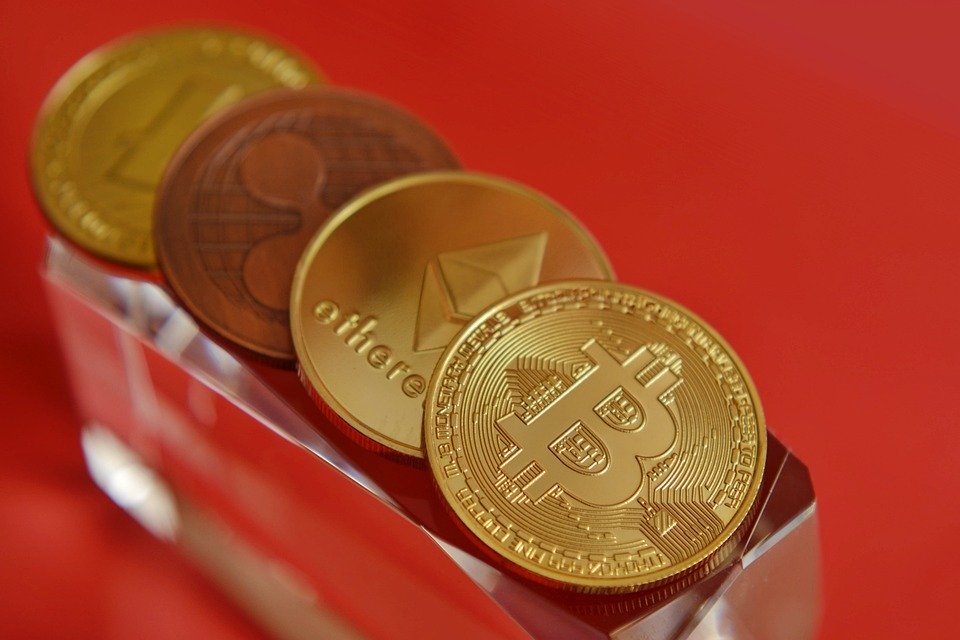
by uncannyfaith | Dec 17, 2024 | Blockchain technology, crypto, Cryptocurrency, Cryptocurrency news and updates, Investing and trading tips
In the ever-evolving world of blockchain and digital assets, the cryptocurrency market never ceases to surprise us. From its meteoric rise over the last decade to waves of innovation and regulation, crypto remains a hotbed of conversation, innovation, and speculation. But as we approach 2025, what are the critical trends you should be paying attention to? What’s shaping the future of cryptocurrencies, and how can you as an investor, enthusiast, or business leader prepare for the changes ahead in this space?
This article delves into top cryptocurrency trends for 2025, analysing the forces propelling this digital revolution while providing actionable insights to help you navigate the crypto landscape. Buckle up, because the future of crypto is as exciting as it is transformative.
The Rise of Central Bank Digital Currencies (CBDCs)
One of the most pivotal evolutions in the cryptocurrency ecosystem by 2025 is expected to be the widespread adoption of Central Bank Digital Currencies (CBDCs). These digital versions of state-backed fiat currencies are being explored by countries like China, the US, and the European Union, and they are poised to redefine global financial systems.
Why Are CBDCs Important to Watch?
CBDCs combine the stability of traditional currencies with the efficiency of digital payments. Unlike decentralised cryptocurrencies like Bitcoin, they are regulated and issued by governments, providing trust and accountability that crypto skeptics often lament as lacking.
- In China, the Digital Yuan is already gaining traction, with millions of citizens using it in pilot programs.
- The European Union has plans to launch a Digital Euro by mid-decade.
- Even nations without strong banking infrastructure may leapfrog directly to CBDCs, increasing financial inclusion.
For businesses, staying ahead in the CBDC era involves ensuring payment systems can integrate with these digital currencies. Imagine a world where governments mandate the use of Digital Currencies for taxes and cross-border trade — preparation is key.
DeFi Evolution – The Reinvention of Traditional Finance
Decentralised Finance (DeFi) has been disrupting traditional banking for years, and by 2025, its capabilities are expected to become more sophisticated. In simple terms, DeFi is a blockchain-based financial ecosystem that removes the middleman (banks) by enabling people to lend, borrow, trade, and earn on their assets without centralised authorities.
What’s New in the DeFi Space?
-
Interoperability Between Blockchains:
Earlier, DeFi protocols were restricted to specific blockchain ecosystems like Ethereum, but with advancements such as cross-chain bridges, users can now transact assets between platforms like Ethereum, Solana, or Binance Smart Chain seamlessly.
-
Tokenisation of Real-World Assets:
Imagine owning fractions of tangible assets like real estate or rare artwork on the blockchain. With more countries recognising the potential of blockchain in tokenising real-world assets, DeFi is moving closer toward making traditional assets accessible to ordinary investors.
- Regulatory Integration:
To truly achieve mass adoption, DeFi platforms are likely to integrate compliance mechanisms like Know-Your-Customer (KYC) protocols by 2025. While this may irk the purists, it will open the doors for institutional investors and mainstream acceptance.
Mass Adoption of Blockchain Gaming and NFTs 2.0
While NFTs (Non-Fungible Tokens) captured the public’s imagination in 2021 and helped pave the way for blockchain gaming, many dismissed them as fads. But in 2025, NFTs 2.0 and the play-to-earn gaming industry are set to deliver more utility, accessibility, and innovation to mainstream audiences.
How Are NFTs Evolving?
In their second iteration, NFTs are expected to go far beyond static digital art and instead deliver tokenised access to real-world assets and experiences. For example:
- They could represent deeds to property or intellectual property rights.
- In music, NFTs can tokenise royalties, allowing artists to earn directly from fans without intermediaries.
- In gaming, blockchain mechanics could make characters, items, and ecosystems tradable across platforms.
Moreover, blockchain-based games will flourish, offering opportunities for gamers to earn while playing. Imagine immersive worlds where your favourite gamers not only grind through levels but also unlock tradable in-game assets with actual financial value.
For businesses, embracing NFTs and blockchain gaming could mean creating brand collectible NFTs, immersive user experiences, or simply transacting in an entirely new economy.
Regulatory Clarity on Cryptocurrencies
One major hurdle that halted crypto’s rapid innovation in the last few years was the lack of universal regulatory clarity. By 2025, global regulators’ positions will likely solidify around taxation, security definitions, and legal frameworks to govern this booming asset class.
What Will It Look Like?
Expect a world where:
- Crypto taxes become far more straightforward, with tax liability calculated automatically through blockchain platforms.
- Countries collaborate on frameworks to prevent illicit activities, like terrorism financing or money laundering through crypto assets.
- Licensing standards emerge for companies involved in cryptocurrency trading or securitisation.
The winners in the shift towards heavier regulation will be platforms and currencies embracing transparency, lawful governance, and ethical trading practices.
Sustainability Focus: Renewable Energy and Green Cryptos
Sustainability concerns have plagued major cryptocurrencies like Bitcoin due to their high energy consumption during mining. By 2025, the industry is expected to make significant strides toward resolving this — leading to green crypto projects coming into the spotlight.
How Will Crypto Become Environmentally Sustainable?
-
Proof-of-Stake (PoS) Consensus Mechanisms: Bitcoin mining uses Proof-of-Work (PoW), notorious for being energy-intensive. Ethereum’s significant upgrade to PoS in 2022 set an industry precedent, and by 2025, PoS or other eco-friendly mechanisms will dominate new blockchain projects.
-
Renewable Energy Adoption:
Miners are shifting operations closer to renewable energy hubs in regions like Iceland and Texas. Entire mining pools may soon rely on 100% clean energy.
- Carbon Credits Through Blockchain:
Organisations are leveraging blockchain technology to create and trade carbon credits, ensuring compliance with environmental goals.
Web3 Integration: The Decentralised Internet
Web3, the next iteration of the internet, is likely to become a reality by 2025. Unlike the current internet model dominated by centralised platforms like Google or Facebook, Web3 promises a decentralised, user-controlled digital space powered by blockchain technology.
What Will Web3 Bring to the Table?
-
Data Ownership:
You’ll own and control your data rather than giving it away to big corporations. Blockchain will allow users to monetise their data securely.
- Decentralised Apps (dApps):
From social media to finance, decentralised applications will grow in popularity, offering transparent and censorship-resistant alternatives to current services.
For entrepreneurs, this trend suggests unprecedented opportunities in building applications or businesses that align with the vision of Web3.
The Role of Artificial Intelligence (AI) in Crypto
Cutting-edge AI applications could become game-changing for the crypto world, and by 2025, their coalescence will be hard to ignore.
Examples of AI-Crypto Synergy:
- AI-Powered Trading Bots: Traders already use AI bots to predict market movements using vast datasets.
- Improved Smart Contract Audits: AI will automate detecting vulnerabilities and bugs in smart contracts, boosting trust and security.
- Customised User Experiences: Platforms will deploy AI to create personalised portfolio recommendations for crypto investors.
Frequently Asked Questions (FAQs)
1. What is the outlook for Bitcoin by 2025?
By 2025, Bitcoin is expected to stabilise as a store of value, akin to "digital gold". Factors such as institutional adoption, regulatory clarity, and its capped supply will play a role in sustaining its price and relevance.
2. Are governments banning cryptocurrencies by 2025?
While some countries may restrict or outright ban certain aspects of crypto trading, most governments are opting for regulation rather than outright bans. CDBCs will likely coexist alongside traditional cryptocurrencies.
3. Can I invest in DeFi tokens now for future gains?
Yes, but practice caution. DeFi’s early movers often deliver high returns, but due diligence is key. Seek projects with strong technical foundations, clear use cases, and credible teams.
4. Will blockchain gaming be bigger than traditional gaming?
While it’s hard to predict whether blockchain gaming will surpass traditional gaming outright, its integration with NFTs and economies has the potential to create game-changing business models.
The Final Word
Cryptocurrencies have shown us that they’re not just a passing trend—they’re here to revolutionise industries across finance, technology, and beyond. As highlighted in these top cryptocurrency trends to watch in 2025, the upcoming years are critical for both seasoned investors and newcomers to position themselves strategically.
Whether it’s exploring the potential of CBDCs, understanding how DeFi is reshaping financial infrastructures, or preparing for the advent of Web3, one thing is certain: the future of cryptocurrency is dynamic and full of possibility.

by uncannyfaith | Dec 17, 2024 | Blockchain technology, crypto, Cryptocurrency, Cryptocurrency news and updates, Investing and trading tips
If you’ve been paying even the slightest attention to the financial landscape, you’ve probably realised that cryptocurrency is no longer just a niche interest. Over the past decade, it has evolved into a global phenomenon, offering innovative opportunities not just for trading but also for earning passive income. As we approach 2025, the landscape of crypto is expected to shift even further, introducing cutting-edge strategies to help investors grow their wealth while they sleep.
In this in-depth guide, we’ll explore the most promising crypto passive income strategies for 2025, along with trends and predictions that could shape the future. Whether you’re new to crypto or a seasoned investor, this article will provide actionable insights tailored to help you make informed decisions.
What is Passive Income in Crypto?
Before diving into strategies, it’s essential to understand what passive income in the crypto space entails. Essentially, passive income is money earned with minimal effort. Unlike trading, which often requires constant monitoring of the market, passive income strategies aim to generate steady returns over time.
In the world of crypto, passive income can be earned in several ways, from staking coins and yield farming to engaging in decentralised finance (DeFi) protocols. These approaches make it possible to grow your portfolio without actively buying and selling tokens on an exchange.
But as this space evolves, so do the strategies. Let’s explore what 2025 holds for passive income in crypto.
Top Passive Income Strategies with Crypto in 2025
1. Staking: Earning Rewards By Holding Coins
Staking has been a popular passive income strategy for years, and it’s only expected to gain more traction in 2025. Proof-of-Stake (PoS) blockchain networks, such as Ethereum, Solana, and Cardano, reward users who lock up their tokens to support network security and functionality.
Think of it like a savings account: you deposit your money (or in this case, tokens), and you earn interest in the form of additional cryptocurrency. The main appeal of staking is that it’s straightforward and requires minimal technical know-how.
Why Staking Will Be Big in 2025:
- Emerging Networks: New PoS blockchains are launching, offering attractive rewards to early participants.
- Liquid Staking: Liquid staking protocols allow users to earn rewards while still using their staked tokens elsewhere, unlocking additional income opportunities.
- Sustainability Focus: PoS blockchains consume significantly less energy compared to Proof-of-Work (PoW) systems, attracting environmentally conscious investors.
Pro Tip:
Research reliable validators or staking pools before you commit. Platforms like Lido Finance and Rocket Pool are gaining popularity for their ease of use and secure setups.
2. Yield Farming & Liquidity Mining
Yield farming and liquidity mining are staples within the DeFi ecosystem. By providing liquidity to decentralised exchanges and lending platforms, you can earn interest or additional tokens as incentives. Binance Smart Chain, Ethereum, and Avalanche are just a few platforms that offer lucrative farming opportunities.
As DeFi continues to innovate, new protocols and mechanisms are making yield farming even more accessible and profitable.
Trends for Yield Farming in 2025:
- Cross-Chain Farming: Multichain protocols allow users to farm rewards seamlessly across different blockchains.
- Variable Rate Yields: Advanced algorithms will offer more responsive interest rates to balance supply and demand dynamically.
- Customised Strategies: AI-powered DeFi tools will create personalised farming strategies based on your risk tolerance and goals.
Risks to Watch Out For:
While yield farming can be highly lucrative, it carries risks such as impermanent loss and smart contract vulnerabilities. Always diversify your assets and avoid putting all your eggs in one basket.
3. Lending and Borrowing in Crypto
Lending platforms like Aave, Compound, and BlockFi remain solid choices for earning passive crypto income. These platforms allow you to lend your unsued assets to borrowers and earn interest in return.
Emerging Trends in Crypto Lending:
- Real-World Asset Integration: In 2025, more platforms will tokenize real-world assets (e.g., real estate or stocks), enhancing lending opportunities.
- Zero Liquidation Loans: Some protocols may introduce innovative systems that reduce the risks of liquidation, making lending even safer.
- Institutional Adoption: Lending markets are expected to grow as more institutional investors explore DeFi.
The Drawback:
Lending returns can be lower compared to other strategies, but it’s a steady and relatively low-risk way to grow your crypto portfolio.
4. NFT Staking and Royalties
By 2025, Non-Fungible Tokens (NFTs) are expected to go beyond just digital art and expand into industries like gaming, real estate, and intellectual property. NFT staking is one way to generate passive income by locking up your digital assets in exchange for rewards.
Similarly, royalties from NFTs (e.g., earning a percentage every time your NFT is resold) will continue to provide recurring income streams for creators.
Innovations in NFT Passive Income:
- GameFi Integration: Staking NFTs in play-to-earn ecosystems will offer tokens and exclusive game rewards.
- Utility NFTs: Functional NFTs (like domain names, tickets, or in-game assets) will unlock additional revenue opportunities.
Pro Tip:
Investigate thoroughly before investing in NFTs to ensure they have long-term utility and real-world value.
5. Cloud Mining and Outsourced Infrastructure
While traditional crypto mining can be resource-intensive, cloud mining offers a more accessible alternative. By renting hash power from a third party, you can earn mining rewards without the need to maintain hardware.
What’s New for 2025 Mining Platforms?
- Green Mining Solutions: Energy-efficient mining services will grow in popularity as regulatory bodies push for sustainability.
- AI Mining Automation: Advanced algorithms will maximise profitability by switching between coins based on market conditions.
Although cloud mining can be an easy way to get started, beware of potential scams. Opt for established providers with transparent track records.
6. Tokenised Real Estate
Real estate tokenisation is making property ownership more accessible while offering consistent rent-based returns. With the help of blockchain, investors can now buy fractional shares of properties and earn passive income.
Growth Trends:
- Global Expansion: Regulations will become clearer, encouraging tokenised property projects across countries.
- Stablecoin Revenue: Earnings from tokenised real estate will increasingly be paid in stablecoins, providing predictability and reducing volatility risks.
Tools and Platforms to Leverage in 2025
- Staking: Lido Finance, Kraken Staking
- Yield Farming: Yearn Finance, Harvest Finance
- Lending: Aave, Compound
- NFT Staking: Splinterlands, Rarity Tools
- Tokenised Real Estate: RealT, Tokenized
Key Trends and Predictions for 2025
The crypto space is rapidly evolving, and staying ahead of the curve is essential. Here are key predictions for passive income strategies in 2025:
1. Institutional Involvement Will Surge:
Major finance players are expected to push more into the DeFi space, making platforms more robust and scalable.
2. Regulatory Clarity Will Boost Confidence:
Countries worldwide are working on clearer crypto regulations, which should reduce risks for investors.
3. AI and Automation in DeFi:
AI-powered tools will offer personalised passive income strategies tailored to your portfolio.
4. Sustainability Will Be a Priority:
As environmental concerns mount, green crypto initiatives will gain traction, appealing to eco-conscious investors.
Frequently Asked Questions (FAQs)
1. Is earning passive income with crypto risky?
Like any investment, earning passive income with crypto carries risks, including market volatility, scams, and smart contract vulnerabilities. Diversifying and researching thoroughly can mitigate these risks.
2. Can beginners participate in crypto passive income?
Absolutely! Many platforms are designed to be beginner-friendly, making it easy to start with simplified staking or lending options.
3. How much can I earn with crypto passive income?
Earnings vary based on the strategy, platform, and market conditions. While staking and lending may offer consistent single-digit annual yields, riskier strategies like yield farming could provide higher returns.
Final Thoughts
The potential for earning passive income through crypto continues to expand as the industry matures. From staking to yield farming, lending, and even tokenised real estate, the possibilities are nearly endless.
As we look towards 2025, staying ahead of emerging trends is critical. By leveraging cutting-edge platforms and diversifying your strategy, you can maximise your earning potential while minimising risks.
Remember, always conduct due diligence before committing your funds and keep learning as the crypto landscape evolves. Who knows – 2025 might just be the year crypto passive income changes your financial future for the better.
Happy investing!

by uncannyfaith | Dec 17, 2024 | Blockchain technology, crypto, Cryptocurrency, Cryptocurrency news and updates, Investing and trading tips
Cryptocurrency mining, an essential backbone of blockchain technology, continues to evolve at breakneck speed. As 2025 approaches, the crypto mining ecosystem is undergoing a profound transformation driven by advancements in technology, shifting economic landscapes, and growing global interest in decentralised finance (DeFi). Whether you’re a crypto hobbyist, a serious investor, or simply curious about mining trends, this guide will break down the key crypto mining developments and predictions for 2025.
Stay with us as we uncover what lies ahead, providing expert insights, actionable tips, and a forward-thinking perspective to help you navigate this ever-evolving industry.
What’s Happening in Crypto Mining by 2025?
Cryptocurrency mining has come a long way since the days of enthusiasts mining Bitcoin on their personal laptops. Today, mining has become significantly more sophisticated, competitive, and impactful on both an environmental and technological level.
As we look to 2025, the landscape is gearing up for several groundbreaking shifts. From next-generation hardware to regulatory pressures and green energy adoption, here are the emerging crypto mining trends you need to know:
1. The Rise of Energy-Efficient Mining
Without a doubt, the rise of energy-efficient mining is set to dominate the crypto mining sphere by 2025. Mining operations have been criticised for their environmental impact, with Bitcoin mining alone consuming energy equivalent to that of entire countries. As a result, sustainable energy sources are becoming a focal point for miners.
Key trends expected to emerge include:
- Renewable Energy Adoption: Mining companies are increasingly turning to solar, wind, and hydroelectric power. By 2025, sustainable energy is expected to power a significantly larger share of mining operations, reducing carbon footprints and operational costs.
- Energy Recycling Initiatives: Emerging technologies in heat recycling allow mining rigs to repurpose thermal energy for other uses, such as heating homes.
- Eco-Friendly Protocol Innovations: Besides hardware improvements, blockchains themselves will adopt consensus mechanisms that are less energy-intensive (e.g., Proof-of-Stake).
🔍 Actionable Tip: If you’re starting a mining operation, consider locating in regions with abundant and affordable renewable energy sources. This will help cut long-term costs and keep you ahead of eco-regulatory trends.
2. Shift Towards Decentralised Mining Pools
Centralisation in mining pools presents both security risks and fairness concerns. By 2025, decentralised mining pools, enabled by smart contracts, are set to reshape how miners collaborate. These decentralised networks offer:
- Improved Transparency: Smart contracts ensure fair distribution of rewards without intermediaries.
- Resilience Against Centralisation: Miners retain control and decision-making power, preventing monopolies from dominating the ecosystem.
🔍 Did You Know? Ethereum’s transition to Proof-of-Stake in 2022 began this trend, sparking interest in decentralised validation methods over traditional Proof-of-Work mechanisms.
3. Quantum Computing: A Threat or Opportunity?
Quantum computing, once confined to research labs, is rapidly becoming a reality. How does this affect crypto mining? While this revolutionary technology could enhance mining efficiency, it also comes with significant risks:
- Increased Hashing Power: Quantum machines may theoretically solve hash puzzles far quicker than traditional hardware, leading to an arms race in computational power.
- Blockchain Security Concerns: The arrival of quantum computing could threaten cryptographic security protocols, redefining privacy standards across blockchains.
🔍 Quick Insight: Stay informed on quantum advancements and their implications for your mining setup. Transitioning to mining ecosystems prepared to counter quantum threats, such as quantum-resistant cryptocurrencies, might be a wise move.
4. Regulatory Developments Shaping the Mining Industry
Governments worldwide are increasing their scrutiny of cryptocurrency mining. By 2025, we’ll likely see more comprehensive global regulations. Key regulatory trends include:
- Energy Usage Guidelines: Stricter policies on energy consumption and carbon emissions will incentivise miners to incorporate green technologies.
- Taxation of Rewards: Governments may impose higher taxes on mining profits, especially for centralised mining farms.
- Regulated Hardware Standards: Mining equipment might need official certifications to ensure compliance with energy benchmarks and security protocols.
🔍 Pro Tip: Stay ahead of the curve by maintaining legal compliance and exploring locations with crypto-friendly regulations for your operations.
5. ASICs, GPUs, and Beyond: The Hardware Evolution
Crypto mining hardware innovations continue to push the boundaries of computational power and energy efficiency. By 2025, we anticipate significant developments in both hardware and mining techniques:
- Enhanced ASICs (Application-Specific Integrated Circuits): ASIC manufacturers are focusing on building chips that are more efficient, producing greater hash rates for less energy consumption. Expect major leaps in hardware by 2025.
- GPU Comeback for Multi-Mining: While ASICs dominate Bitcoin mining, GPUs (Graphics Processing Units) may see a resurgence for mining multiple smaller altcoins simultaneously.
- R&D in Mining 4.0: Researchers are exploring next-gen materials such as graphene to further optimise mining hardware.
🔍 Did You Know? Ethereum’s switch to Proof-of-Stake reduced GPU demand, but diversified altcoins might bring GPUs back into the spotlight.
Frequently Asked Questions (FAQs)
1. Is crypto mining still profitable in 2025?
Yes, although profitability depends heavily on factors like electricity costs, hardware efficiency, and cryptocurrency market conditions. Emerging trends such as energy-efficient mining and decentralised mining pools could improve profitability for the average miner in 2025.
2. What’s the difference between Proof-of-Work and Proof-of-Stake?
Proof-of-Work (PoW) relies on miners solving complex computational puzzles to validate transactions, while Proof-of-Stake (PoS) uses validators who lock up cryptocurrency as collateral to validate transactions. PoS is less energy-intensive and often considered more sustainable.
3. How will quantum computing impact cryptocurrency mining?
Quantum computing has the potential to boost mining speeds but also poses a threat to blockchain security. Miners should keep track of quantum-resistant cryptographic solutions to future-proof their operations.
4. Are there any altcoins worth mining in 2025?
Yes. Altcoins emphasising energy efficiency, scalability, and real-world utility are likely to gain attention. Examples include Monero (for privacy) and Chia (for its environmentally friendly consensus). Always research market trends before investing.
5. What role will AI play in crypto mining?
By 2025, AI is expected to optimise mining resource allocation, improve system efficiency, and enhance profitability by reducing downtime in mining rigs through real-time diagnostics and predictive analysis.
Final Thoughts: Preparing for the Future of Crypto Mining
As we approach 2025, the world of cryptocurrency mining is evolving faster than ever. From eco-conscious innovations to cutting-edge quantum technology, miners must stay agile to navigate treacherous waters and seize opportunities.
To succeed, consider incorporating renewable energy sources, keeping up-to-date with hardware advancements, and staying compliant with budding regulations in your region. The key lies in adaptability, strategic planning, and keeping a finger on the pulse of industry changes.
In the end, whether you’re a small-scale enthusiast or a large enterprise miner, embracing these trends could mean the difference between thriving and falling behind. The crypto mining industry is entering an exciting era of evolution—are you ready to be part of the revolution?
By staying ahead of these trends and embracing innovation, 2025 could be your most profitable mining year yet.
Want to learn more about crypto innovations? Check out other industry insights on our website!

by uncannyfaith | Dec 17, 2024 | Blockchain technology, crypto, Cryptocurrency, Cryptocurrency news and updates, Investing and trading tips
In the span of a few years, the concept of the metaverse has evolved from a futuristic fantasy to a viable investment hotspot. The fusion of blockchain technology, virtual worlds, and cryptocurrency is shaping a digital renaissance where ownership, decentralisation, and immersive experiences converge. For investors, the metaverse represents uncharted territory brimming with potential – a bustling frontier akin to the early days of the internet. With experts forecasting exponential growth, understanding key trends and predictions for 2025 is crucial. This article dives headfirst into metaverse investments in cryptocurrency, dissecting major trends, answering burning questions, and offering insights to navigate this dynamic landscape.
Understanding the Metaverse and Cryptocurrency Connection
The term "metaverse" refers to interconnected, shared digital spaces where individuals interact via avatars in virtual environments. Think of it as an expansive digital ecosystem blending augmented reality (AR), virtual reality (VR), artificial intelligence (AI), and blockchain. Cryptocurrencies, meanwhile, serve as the lifeblood of this ecosystem, facilitating transactions, powering decentralised economies, and granting users verifiable ownership of digital assets.
Why does cryptocurrency play such a pivotal role? Traditional financial systems are ill-suited for the metaverse’s decentralised and borderless nature. Cryptocurrencies like Ethereum, Solana, and Polygon enable secure, instantaneous, and tamper-proof transactions. Moreover, through non-fungible tokens (NFTs), users acquire irrefutable proof of ownership over avatars, virtual land, in-game assets, and other digital commodities.
Top Metaverse Trends in Cryptocurrency for 2025
1. The Expansion of Virtual Economies
By 2025, the metaverse will see a significant uptick in economic activity driven by cryptocurrencies. Virtual economies such as those in Decentraland, The Sandbox, and Axie Infinity have already demonstrated how digital assets can be monetised. Experts predict these ecosystems will broaden to include more industries—from fashion (e.g., virtual wearables for avatars) to education (e.g., tuition for immersive e-learning platforms).
Blockchain-based digital marketplaces will connect users worldwide, where purchasing digital art, funding community projects, or even crowdfunding a metaverse business will all occur through cryptocurrencies.
Actionable Insight:
To participate, investors can consider acquiring metaverse cryptocurrencies such as MANA (Decentraland) or SAND (The Sandbox) early, as demand is expected to surge.
2. Rise of Metaverse Tokens
Metaverse tokens are the gateway currencies of digital platforms, representing both governance and utility rights. For instance, holding metaverse-native tokens often grants voting powers in decentralised communities (DAOs). By 2025, we’ll potentially see more cross-platform interoperability, allowing tokens from one metaverse to seamlessly function in another.
Furthermore, as the metaverse gains mass adoption, institutional investors are likely to recognise metaverse tokens as viable assets. Cryptocurrencies tied to metaverse projects might outperform traditional crypto assets like Bitcoin by offering tangible utility.
Expert Quote:
"The future of cryptocurrency investments isn’t just in Bitcoin; it’s in digital economies fuelled by creative platform tokens, where user demand directly drives growth," Rohan Mehta, Blockchain Analyst.
3. Virtual Real Estate: The Crypto-fuelled Goldmine
Virtual land sales have been a prominent metaverse investment trend, with prices soaring for prime digital plots within platforms like Decentraland and The Sandbox. By 2025, the concept of owning and renting virtual spaces will normalise as businesses establish digital storefronts, event spaces, and collaborative offices.
The purchasing process primarily involves cryptocurrencies, and ownership is validated through NFTs. Analysts predict the total valuation of virtual real estate could exceed $10 billion globally by 2025, making it equivalent to some physical property markets.
Real-World Example:
In 2022, a digital real estate plot in Decentraland sold for a staggering $2.4 million worth of cryptocurrency. Expect more record-breaking deals ahead.
4. Play-to-Earn Economies Redefining Gaming
The gaming industry is perhaps the metaverse’s biggest onboarding arena. The "play-to-earn" (P2E) model incentivises users with cryptocurrencies for their in-game achievements. Titles like Axie Infinity, Gala Games, and Illuvium are already dominant, and the appeal of P2E economies is shaping the very fabric of gaming’s business models.
In 2025, expect metaverse gaming tokens to experience unprecedented growth as more players, from casual to hardcore, are drawn to the prospect of earning real-world value through virtual worlds.
Actionable Tip:
Keep an eye on newer gaming-focused cryptocurrencies like ILV (Illuvium) and GALA (Gala Games) – they could outperform older P2E titles as technology improves.
5. Metaverse ESG Investments Gaining Popularity
As ESG (Environmental, Social, and Governance) principles now influence mainstream financial markets, the metaverse may see similar trends emerge. Earning carbon-neutral cryptocurrencies, building sustainable virtual economies, and participating in socially impactful metaverse ventures are likely to become key selling points for investors. Platforms such as Immutable X, which uses energy-efficient Layer 2 scaling, are already ahead in this space.
Expert Prediction:
"Sustainability and moral investments are critical. Cryptocurrency and metaverse projects that demonstrate environmental stewardship will win over institutional investors," says Lara Wong, Digital Finance Strategist.
6. Inclusion of AI in NFT-Powered Digital Assets
NFTs aren’t just artwork anymore. By 2025, NFTs integrated with AI will create adaptive, intelligent in-game assets, avatars that evolve over time, or even dynamic virtual assistants. The cryptocurrency-fuelled marketplaces for AI-enhanced NFTs could redefine asset ownership.
Imagine programming your NFT car in the metaverse to behave differently based on the terrain or conditions—these innovations will no longer be confined to science fiction.
Predictions for 2025: The Future of Cryptocurrency in the Metaverse
1. Mainstream Institutional Adoption
Financial giants and tech behemoths will increasingly dabble in metaverse crypto projects. Expect metaverse-focused ETFs, cryptocurrency-backed metaverse applications, and even government efforts to align taxation policies with blockchain economies.
2. Regulatory Frameworks for Metaverse Assets
One of the biggest hurdles today is the lack of clarity on regulations. By 2025, frameworks might mature to accommodate NFTs, decentralised identities (DIDs), and cryptocurrency transactions in virtual landscapes.
3. Wider Integration Across Industries
From fashion to real estate to hospitality, the metaverse will no longer be confined to gaming and social interaction. Cryptocurrencies will bridge the gap between industries by providing the backbone of secure, transparent payments.
How to Capitalise on Metaverse Cryptocurrency Investments
-
Research Platform-Specific Tokens
Deep-dive into metaverse projects you find promising. Study their whitepapers, roadmaps, and partnerships. Metaverse cryptocurrencies with robust utility are likely to outlast speculative hype.
-
Diversify Virtual Real Estate Investments
Instead of focusing on a single platform, spread out investments in virtual lands to mitigate risks as ecosystems evolve.
-
Explore Early Entry Opportunities
Hunt for ICOs (Initial Coin Offerings) or pre-releases of tokens linked to burgeoning metaverse ventures.
- Stay Updated with Market Movements
Frequent shifts in cryptocurrency regulations and market sentiment demand vigilance.
Frequently Asked Questions (FAQ)
1. What is the connection between the metaverse and cryptocurrency?
Cryptocurrency is the means of transacting within metaverse ecosystems. It ensures decentralised, secure, and verifiable exchanges, making it ideal for buying virtual assets like land, avatars, and NFTs.
2. Are metaverse investments safe?
As with any technology-driven market, metaverse investments come with risks. Market volatility, speculative bubbles, and regulatory uncertainties can impact returns. Diversification and thorough research are essential.
3. Which cryptocurrency is best for metaverse investments?
Popular options include MANA (Decentraland), SAND (The Sandbox), AXS (Axie Infinity), and ILV (Illuvium). Each aligns with specific metaverse ecosystems, so suitability depends on the project’s scope and your investment goals.
4. Can beginners invest in metaverse cryptocurrencies?
Yes! Beginners can start by purchasing tokens on trusted crypto exchanges like Coinbase or Binance. Virtual land and NFTs can also be bought through marketplaces like OpenSea.
Conclusion
The convergence of cryptocurrency and the metaverse has unlocked unprecedented investment opportunities. As we approach 2025, it’s clear that this burgeoning space is far from a passing trend. With virtual economies thriving and technologies improving daily, investors with a calculated, research-driven approach stand to gain significantly in this digital frontier.
Are you ready to stake your claim in the metaverse? It’s not just imagination anymore – it’s the future.
Pro Tip for SEO:
Images of Decentraland or Sandbox environments, charts showing ROI on metaverse tokens, and infographics of projected market growth can further engage readers while boosting search visibility. Always supplement visuals with proper alt text for accessibility and indexing.