
by uncannyfaith | Dec 17, 2024 | Blockchain technology, crypto, Cryptocurrency, Cryptocurrency news and updates, Investing and trading tips
Stablecoins have rapidly emerged as a critical component of the cryptocurrency ecosystem. With their unique ability to bridge the gap between volatile cryptocurrencies and fiat currencies, stablecoins offer a reliable medium of exchange, store of value, and unit of account. But as we gaze into the future, what lies ahead? By 2025, stablecoins are expected to play an even larger role in shaping the global financial system.
In this article, we’ll dive deep into the future of stablecoins, exploring key trends, predicting developments for 2025, and offering actionable insights for cryptocurrency enthusiasts, businesses, and investors. Whether you’re new to the crypto world or a seasoned trader, understanding where stablecoins are headed is crucial for staying ahead in this rapidly evolving landscape.
What Are Stablecoins and Why Do They Matter?
Before diving into trends and predictions, let’s revisit the fundamentals. Stablecoins are a type of cryptocurrency designed to minimise price volatility. Unlike Bitcoin or Ethereum, which can experience dramatic price swings, stablecoins are pegged to a stable asset, typically a fiat currency like the US Dollar, Euro, or commodities such as gold.
Stablecoins matter because they combine the best of traditional finance and cryptocurrencies: stability and decentralisation. They enable seamless transactions across borders, offer a safe haven during market turbulence, and facilitate the growth of decentralised finance (DeFi).
Now, let’s explore how the stablecoin ecosystem is evolving and what changes we can expect by 2025.
Key Trends Shaping the Future of Stablecoins
1. Central Bank Digital Currencies (CBDCs) vs. Stablecoins
As governments worldwide race to develop Central Bank Digital Currencies (CBDCs), how will they coexist with privately issued stablecoins? CBDCs, issued and regulated by central banks, are digital forms of national currencies. For example, countries like China (Digital Yuan) and the European Union are already piloting their CBDCs.
By 2025, we predict the rise of a hybrid monetary system where CBDCs coexist with decentralised stablecoins. While CBDCs may provide the structure for mainstream adoption and government oversight, decentralised stablecoins will retain their appeal due to privacy, innovation, and DeFi applications.
However, the competition between the two will likely lead to increased regulatory scrutiny. Governments might impose stricter rules on privately issued stablecoins to ensure compliance with anti-money laundering (AML) and know-your-customer (KYC) regulations.
Actionable Insight: Businesses relying on stablecoins should prepare for potential regulatory changes by adopting compliant practices and exploring opportunities for collaboration with CBDC initiatives.
2. Stablecoins as a Catalyst for Mass DeFi Adoption
Decentralised finance (DeFi) has grown exponentially over the last few years, with stablecoins at its core. Platforms like UniSwap, Aave, and MakerDAO heavily rely on stablecoins for lending, borrowing, and earning interest.
By 2025, we expect stablecoins to become even more integral to DeFi. Improvements in scalability, interoperability, and use-case diversity will draw more users into the DeFi ecosystem. Additionally, Layer 2 solutions (e.g., Optimism or Polygon) will make stablecoin transactions faster and cheaper, further fueling DeFi adoption.
Long-tail Keyword to Explore: “How stablecoins are driving decentralised finance adoption in 2025.”
3. Stablecoin Backing: Beyond Fiat Currencies
Currently, most stablecoins like Tether (USDT) and USD Coin (USDC) are backed by fiat reserves. This approach has provided stability but has also faced criticism for lack of transparency and centralised control.
Looking ahead to 2025, we predict a diversification in stablecoin backing. We’ll likely see an increase in algorithmic stablecoins and those backed by commodities like gold, oil, or carbon credits. These new forms of backing could make stablecoins more attractive to environmentalists, institutional investors, and economies seeking alternatives to fiat dependence.
4. Rise of Multi-Currency and Geo-Specific Stablecoins
As global trade increases, so does the demand for currency flexibility. Multi-currency stablecoins, backed by diverse reserve currencies or represented through neutral units like the Special Drawing Rights (SDR), could gain traction.
Similarly, geo-specific stablecoins tailored to regions like Asia, Africa, or Latin America may emerge as localised solutions for remittances, cross-border trade, and financial inclusion. By 2025, these innovations could reshape how developing nations interact with global markets.
Real World Example: Companies like Celo are already working on region-specific stablecoins to drive financial inclusion in underbanked economies.
5. Institutional Adoption and Increased Mainstream Use Cases
The adoption of stablecoins by institutions has already begun, with major companies using stablecoins for international transactions, payroll, and treasury management. By 2025, we predict that stablecoins will see even broader adoption, supported by partnerships between fintech companies and traditional financial institutions.
Mainstream stablecoin use cases could include retail payments, online shopping, and settling cross-border trade efficiently. Additionally, institutional demand will likely push for higher transparency in stablecoin audits and reserve disclosures, fostering trust in the market.
Predictions for Stablecoins in 2025
With these trends in mind, let’s outline specific predictions for the cryptocurrency space by 2025.
-
Stablecoins Will Shape Global Financial Policy
By 2025, stablecoins may influence global monetary policies in ways we can’t fully foresee today. Financial organisations like the International Monetary Fund (IMF) and the Bank for International Settlements (BIS) will likely integrate stablecoin frameworks into policy discussions.
-
Market Value of Stablecoins Will Skyrocket
Currently, the market capitalisation of stablecoins exceeds $120 billion. By 2025, this figure could double, if not triple, driven by institutional investment and expanded use cases.
-
Interoperable Stablecoins
Interoperability between blockchain networks will enhance how stablecoins are used. Cross-chain bridges and universal protocols might allow users to transact seamlessly between platforms like Ethereum, Binance Smart Chain, and Solana.
- Emergence of ESG-Friendly Stablecoins
Environmental, Social, and Governance (ESG) is quickly becoming a priority in finance. Stablecoins with eco-friendly designs or carbon-neutral policies may emerge as a socially responsible alternative.
Challenges on the Horizon
While the future of stablecoins looks promising, challenges remain.
-
Regulatory Pressure
Governments will scrutinise stablecoins for their potential to disrupt traditional financial systems. Projects that fail to adopt transparent practices may face penalties or shutdowns.
-
Competition from CBDCs
The rise of CBDCs could limit the reach of private stablecoins, particularly in regions where governments favour centralised control over money supply.
- Security Risks
Hackers and fraudsters target the crypto ecosystem. Ongoing investment in security infrastructure is crucial to maintaining user trust.
Actionable Strategies for Investors and Businesses
- For Investors: Diversify your portfolio with stablecoin-heavy DeFi projects, keeping an eye on regulation-friendly and ESG-conscious tokens.
- For Businesses: Explore stablecoins for cross-border trade, payroll management, and integrating with DeFi protocols to streamline operations.
- For Developers: Build solutions around multi-chain stablecoin compatibility and regulatory compliance to future-proof your projects.
FAQs on the Future of Stablecoins
1. Are stablecoins a good investment?
While stablecoins are not designed for capital gains, they are ideal for preserving value and accessing DeFi rewards or protocols.
2. How do stablecoins help mitigate crypto volatility?
Stablecoins are pegged to stable assets, making them less susceptible to market fluctuations compared to cryptocurrencies like Bitcoin or Ethereum.
3. Will central banks impact stablecoins?
Yes. Central banks are likely to influence regulatory frameworks for stablecoins and might compete with CBDCs in the digital currency space.
Conclusion
The future of stablecoins is bright but complex. As we approach 2025, these digital assets will play an increasingly pivotal role in shaping the global economy, from accelerating financial inclusion to driving DeFi adoption. However, success hinges on regulatory clarity, technological advancements, and market trust.
Whether you’re an investor, business leader, or enthusiast, staying informed and adaptable will be key to leveraging the potential of stablecoins in the evolving world of cryptocurrency.
We’d love to hear your thoughts—where do you see stablecoins headed? Share your perspectives in the comments below!
Meta Description: Discover key trends and predictions for the future of stablecoins in cryptocurrency by 2025. Explore DeFi adoption, CBDC competition, and use cases for these transformative digital assets.

by uncannyfaith | Dec 17, 2024 | Blockchain technology, crypto, Cryptocurrency, Cryptocurrency news and updates, Investing and trading tips
Cryptocurrency Regulation in 2025: Key Trends Shaping the Industry’s Future
The cryptocurrency revolution is no longer a fringe movement—it’s now an integral part of the global financial ecosystem. With billions of dollars traded daily and an ever-expanding role in investments, payments, and beyond, cryptocurrencies are reshaping the way we think about money and value. But as the digital currency market has grown, so too has the need for clarity and oversight. As we look ahead to 2025, the landscape of cryptocurrency regulation is at a pivotal moment. Governments, financial institutions, and investors alike are grappling with how to balance innovation with governance. But what does the future of cryptocurrency regulation look like? And how will it shape this rapidly evolving industry?
In this in-depth exploration, we’ll uncover the key regulatory trends likely to dominate in 2025, answer common questions about regulation, and provide actionable insights to help you navigate the shifting terrain. Whether you’re a seasoned investor, a blockchain developer, or simply crypto-curious, this article will offer valuable perspectives on what lies ahead.
The Need for Cryptocurrency Regulation in 2025
Cryptocurrencies such as Bitcoin and Ethereum were born out of a desire to create a decentralised financial system free from government control. However, with freedom comes responsibility—and challenges. The anonymity and borderless nature of cryptocurrencies have made them a fertile ground for benefits, like seamless international payments, and risks, like fraud, money laundering, and tax evasion.
By 2025, it is clear that governments can no longer afford a "wait and see" approach. Over the past few years, several high-profile cases of crypto-related scams and illegal activities have driven the demand for tighter oversight. Investors, too, are calling for rules that provide greater security and transparency. Striking the right balance between fostering innovation and ensuring safety will be crucial in shaping a fair and thriving crypto industry.
Trend #1: Global Standardisation of Cryptocurrency Regulations
One of the biggest challenges in crypto regulation has been the lack of consistency between countries. For instance, while Japan embraced crypto early and set clear guidelines, countries like India have oscillated between outright bans and regulatory ambiguity. By 2025, we’re likely to see a push towards global standardisation of cryptocurrency regulations—a key development for the industry’s future.
The Financial Action Task Force (FATF), an international body focused on combating money laundering and terrorist financing, is already working on a global cryptocurrency framework. As governments begin to adopt FATF recommendations on regulations, consistency and coherence in laws across borders may finally emerge.
What This Means for You:
If you’re involved in cryptocurrency, global regulatory harmonisation could simplify cross-border transactions and reduce compliance confusion. However, it could also mean stricter rules, such as mandatory KYC (know your customer) requirements and transaction reporting.
Trend #2: Enhanced Focus on Decentralised Finance (DeFi) and NFTs
The meteoric rise of decentralised finance (DeFi) platforms and non-fungible tokens (NFTs) has caught regulators’ attention. DeFi protocols bypass traditional banks, allowing peer-to-peer transactions via smart contracts. While DeFi offers unprecedented innovation, it also poses significant regulatory challenges, including issues around accountability, fraud, and financial stability.
By 2025, we can expect governments to introduce specific regulations catering to DeFi and the NFT marketplace. Rules may target investor protection, such as clear disclosures of risks in DeFi investments, and intellectual property rights related to NFTs.
Potential Pitfalls:
Too much oversight could stifle the innovation that made these segments of the crypto ecosystem successful. Striking the right balance will be crucial.
Actionable Insight:
Stay updated on local regulations in your country regarding DeFi and NFTs, especially if you’re actively trading or developing in these spaces.
Trend #3: Comprehensive Taxation Frameworks for Crypto Earnings
Another critical regulatory trend emerging in 2025 is the formalisation and enforcement of crypto taxation. Governments increasingly view cryptocurrencies as taxable assets, similar to stocks or bonds. However, inconsistent tax treatments have been a recurring issue—some classify cryptocurrencies as property, others as commodities, and a growing number as currencies.
By 2025, tax authorities worldwide will likely impose more comprehensive frameworks to track cryptocurrency earnings, including capital gains via exchanges or peer-to-peer transactions. Blockchain’s transparency will work both ways, allowing governments to easily monitor and enforce compliance.
What You Can Do:
Ensure you maintain detailed records of your crypto trades and investments. Use reliable tax software tailored for cryptocurrency tracking to stay ahead of legal requirements.
Trend #4: The Role of Central Bank Digital Currencies (CBDCs)
One of the most exciting developments set to impact cryptocurrency regulation by 2025 is the rise of Central Bank Digital Currencies (CBDCs). These are government-backed digital currencies designed to complement, rather than replace, traditional fiat currencies.
As CBDCs roll out in countries like China, the European Union, and others, governments may become stricter about regulating private cryptocurrencies. CBDCs could even serve as a means to impose self-regulating competition against decentralised options like Bitcoin.
Key Takeaway:
Watch for CBDC developments in your country or region. While CBDCs signal the mainstream acceptance of digital currencies, they may also pose new challenges to private cryptocurrencies, from tighter scrutiny to potential market competition.
Trend #5: Clearer Definitions and Categories for Cryptocurrencies
One ongoing regulatory challenge has been the lack of clear definitions for cryptocurrencies. Are they securities? Commodities? Currencies? Without clarity, regulators and investors alike face significant uncertainty.
By 2025, regulatory bodies such as the US Securities and Exchange Commission (SEC) and similar European and Asian agencies are likely to formalise classifications, categorising tokens into groups like payment tokens, utility tokens, and security tokens. This will provide clearer guidelines for crypto projects on how to comply with regulations based on their category.
Frequently Asked Questions About Cryptocurrency Regulation
1. Will crypto regulations kill innovation?
Not necessarily. Thoughtful regulation could enhance investor trust, foster adoption, and stabilise markets. The key is ensuring that laws leave room for innovation while addressing risks.
2. How can I protect myself against unexpected regulatory changes?
Stay informed by following updates from reputable news sources and government announcements. Diversify your investments across regulated and decentralised assets.
3. Will crypto become fully centralised due to regulations?
It’s unlikely. Decentralisation is at the core of crypto, and many advocates and stakeholders will continue to push back against overreach. What we’ll likely see instead is a hybrid: decentralised systems adhering to certain legal frameworks.
Preparing for the Future of Crypto Regulation
Navigating the complexities of cryptocurrency regulation in 2025 requires preparation and adaptability. Here are some actionable steps to stay ahead:
-
Stay Informed Through Reliable Sources: Join online communities, subscribe to legal newsletters, or follow blockchain-focused organisations to stay updated on regulations.
-
Embrace Compliance Tools: Several platforms, such as Chainalysis and CoinTracking, now allow crypto users to monitor compliance and report taxes seamlessly. Explore these to enhance your financial transparency.
-
Engage Legal Experts: If you’re heavily involved in crypto trading or development, consult with legal professionals to ensure compliance with evolving laws.
- Diversify Investment Risks: Allocate resources across both mainstream and niche crypto projects to hedge against regulatory shocks.
Final Thoughts: Embracing the Future
As we look to 2025 and beyond, cryptocurrency regulation is set to play an increasingly central role in shaping the industry’s future. While challenges remain, thoughtful and consistent regulation can transform crypto from a "wild west" into a mature, mainstream asset class.
The world is finally moving towards recognising cryptocurrency not as a passing trend, but as a transformative force in global finance. For investors, developers, and institutions alike, understanding and adapting to these regulatory shifts could be the key to success in the years to come.
By taking a proactive approach—staying informed, adhering to local laws, and leveraging compliant tools—you can not only navigate the regulatory maze but thrive in a more transparent, secure, and exciting cryptocurrency ecosystem.
by uncannyfaith | Dec 17, 2024 | Blockchain technology, crypto, Cryptocurrency, Cryptocurrency news and updates, Investing and trading tips
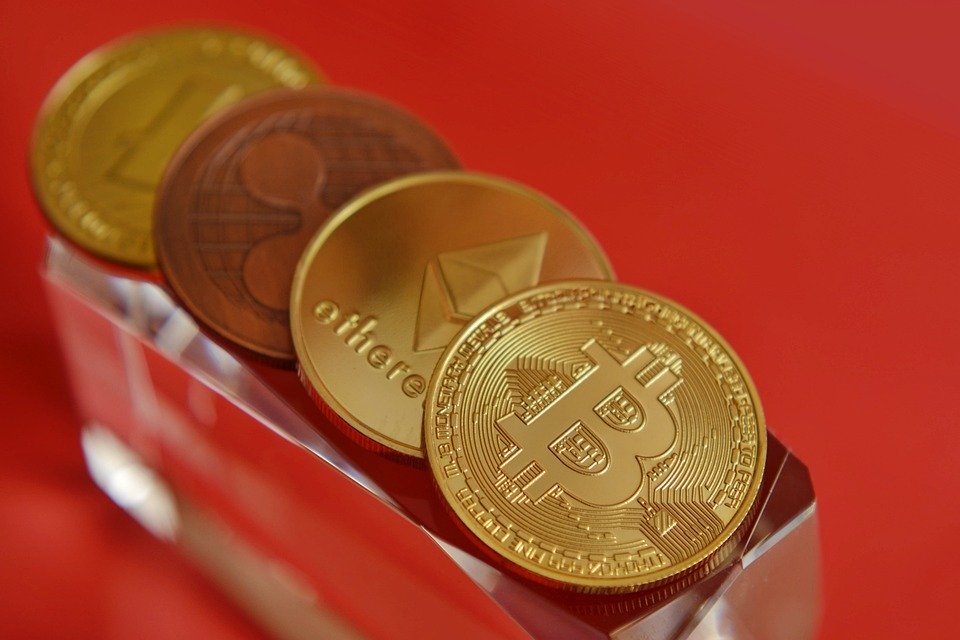
In the ever-evolving world of blockchain and digital assets, the cryptocurrency market never ceases to surprise us. From its meteoric rise over the last decade to waves of innovation and regulation, crypto remains a hotbed of conversation, innovation, and speculation. But as we approach 2025, what are the critical trends you should be paying attention to? What’s shaping the future of cryptocurrencies, and how can you as an investor, enthusiast, or business leader prepare for the changes ahead in this space?
This article delves into top cryptocurrency trends for 2025, analysing the forces propelling this digital revolution while providing actionable insights to help you navigate the crypto landscape. Buckle up, because the future of crypto is as exciting as it is transformative.
The Rise of Central Bank Digital Currencies (CBDCs)
One of the most pivotal evolutions in the cryptocurrency ecosystem by 2025 is expected to be the widespread adoption of Central Bank Digital Currencies (CBDCs). These digital versions of state-backed fiat currencies are being explored by countries like China, the US, and the European Union, and they are poised to redefine global financial systems.
Why Are CBDCs Important to Watch?
CBDCs combine the stability of traditional currencies with the efficiency of digital payments. Unlike decentralised cryptocurrencies like Bitcoin, they are regulated and issued by governments, providing trust and accountability that crypto skeptics often lament as lacking.
- In China, the Digital Yuan is already gaining traction, with millions of citizens using it in pilot programs.
- The European Union has plans to launch a Digital Euro by mid-decade.
- Even nations without strong banking infrastructure may leapfrog directly to CBDCs, increasing financial inclusion.
For businesses, staying ahead in the CBDC era involves ensuring payment systems can integrate with these digital currencies. Imagine a world where governments mandate the use of Digital Currencies for taxes and cross-border trade — preparation is key.
DeFi Evolution – The Reinvention of Traditional Finance
Decentralised Finance (DeFi) has been disrupting traditional banking for years, and by 2025, its capabilities are expected to become more sophisticated. In simple terms, DeFi is a blockchain-based financial ecosystem that removes the middleman (banks) by enabling people to lend, borrow, trade, and earn on their assets without centralised authorities.
What’s New in the DeFi Space?
-
Interoperability Between Blockchains:
Earlier, DeFi protocols were restricted to specific blockchain ecosystems like Ethereum, but with advancements such as cross-chain bridges, users can now transact assets between platforms like Ethereum, Solana, or Binance Smart Chain seamlessly.
-
Tokenisation of Real-World Assets:
Imagine owning fractions of tangible assets like real estate or rare artwork on the blockchain. With more countries recognising the potential of blockchain in tokenising real-world assets, DeFi is moving closer toward making traditional assets accessible to ordinary investors.
- Regulatory Integration:
To truly achieve mass adoption, DeFi platforms are likely to integrate compliance mechanisms like Know-Your-Customer (KYC) protocols by 2025. While this may irk the purists, it will open the doors for institutional investors and mainstream acceptance.
Mass Adoption of Blockchain Gaming and NFTs 2.0
While NFTs (Non-Fungible Tokens) captured the public’s imagination in 2021 and helped pave the way for blockchain gaming, many dismissed them as fads. But in 2025, NFTs 2.0 and the play-to-earn gaming industry are set to deliver more utility, accessibility, and innovation to mainstream audiences.
How Are NFTs Evolving?
In their second iteration, NFTs are expected to go far beyond static digital art and instead deliver tokenised access to real-world assets and experiences. For example:
- They could represent deeds to property or intellectual property rights.
- In music, NFTs can tokenise royalties, allowing artists to earn directly from fans without intermediaries.
- In gaming, blockchain mechanics could make characters, items, and ecosystems tradable across platforms.
Moreover, blockchain-based games will flourish, offering opportunities for gamers to earn while playing. Imagine immersive worlds where your favourite gamers not only grind through levels but also unlock tradable in-game assets with actual financial value.
For businesses, embracing NFTs and blockchain gaming could mean creating brand collectible NFTs, immersive user experiences, or simply transacting in an entirely new economy.
Regulatory Clarity on Cryptocurrencies
One major hurdle that halted crypto’s rapid innovation in the last few years was the lack of universal regulatory clarity. By 2025, global regulators’ positions will likely solidify around taxation, security definitions, and legal frameworks to govern this booming asset class.
What Will It Look Like?
Expect a world where:
- Crypto taxes become far more straightforward, with tax liability calculated automatically through blockchain platforms.
- Countries collaborate on frameworks to prevent illicit activities, like terrorism financing or money laundering through crypto assets.
- Licensing standards emerge for companies involved in cryptocurrency trading or securitisation.
The winners in the shift towards heavier regulation will be platforms and currencies embracing transparency, lawful governance, and ethical trading practices.
Sustainability Focus: Renewable Energy and Green Cryptos
Sustainability concerns have plagued major cryptocurrencies like Bitcoin due to their high energy consumption during mining. By 2025, the industry is expected to make significant strides toward resolving this — leading to green crypto projects coming into the spotlight.
How Will Crypto Become Environmentally Sustainable?
-
Proof-of-Stake (PoS) Consensus Mechanisms: Bitcoin mining uses Proof-of-Work (PoW), notorious for being energy-intensive. Ethereum’s significant upgrade to PoS in 2022 set an industry precedent, and by 2025, PoS or other eco-friendly mechanisms will dominate new blockchain projects.
-
Renewable Energy Adoption:
Miners are shifting operations closer to renewable energy hubs in regions like Iceland and Texas. Entire mining pools may soon rely on 100% clean energy.
- Carbon Credits Through Blockchain:
Organisations are leveraging blockchain technology to create and trade carbon credits, ensuring compliance with environmental goals.
Web3 Integration: The Decentralised Internet
Web3, the next iteration of the internet, is likely to become a reality by 2025. Unlike the current internet model dominated by centralised platforms like Google or Facebook, Web3 promises a decentralised, user-controlled digital space powered by blockchain technology.
What Will Web3 Bring to the Table?
-
Data Ownership:
You’ll own and control your data rather than giving it away to big corporations. Blockchain will allow users to monetise their data securely.
- Decentralised Apps (dApps):
From social media to finance, decentralised applications will grow in popularity, offering transparent and censorship-resistant alternatives to current services.
For entrepreneurs, this trend suggests unprecedented opportunities in building applications or businesses that align with the vision of Web3.
The Role of Artificial Intelligence (AI) in Crypto
Cutting-edge AI applications could become game-changing for the crypto world, and by 2025, their coalescence will be hard to ignore.
Examples of AI-Crypto Synergy:
- AI-Powered Trading Bots: Traders already use AI bots to predict market movements using vast datasets.
- Improved Smart Contract Audits: AI will automate detecting vulnerabilities and bugs in smart contracts, boosting trust and security.
- Customised User Experiences: Platforms will deploy AI to create personalised portfolio recommendations for crypto investors.
Frequently Asked Questions (FAQs)
1. What is the outlook for Bitcoin by 2025?
By 2025, Bitcoin is expected to stabilise as a store of value, akin to "digital gold". Factors such as institutional adoption, regulatory clarity, and its capped supply will play a role in sustaining its price and relevance.
2. Are governments banning cryptocurrencies by 2025?
While some countries may restrict or outright ban certain aspects of crypto trading, most governments are opting for regulation rather than outright bans. CDBCs will likely coexist alongside traditional cryptocurrencies.
3. Can I invest in DeFi tokens now for future gains?
Yes, but practice caution. DeFi’s early movers often deliver high returns, but due diligence is key. Seek projects with strong technical foundations, clear use cases, and credible teams.
4. Will blockchain gaming be bigger than traditional gaming?
While it’s hard to predict whether blockchain gaming will surpass traditional gaming outright, its integration with NFTs and economies has the potential to create game-changing business models.
The Final Word
Cryptocurrencies have shown us that they’re not just a passing trend—they’re here to revolutionise industries across finance, technology, and beyond. As highlighted in these top cryptocurrency trends to watch in 2025, the upcoming years are critical for both seasoned investors and newcomers to position themselves strategically.
Whether it’s exploring the potential of CBDCs, understanding how DeFi is reshaping financial infrastructures, or preparing for the advent of Web3, one thing is certain: the future of cryptocurrency is dynamic and full of possibility.

by uncannyfaith | Dec 17, 2024 | Blockchain technology, crypto, Cryptocurrency, Cryptocurrency news and updates, Investing and trading tips
If you’ve been paying even the slightest attention to the financial landscape, you’ve probably realised that cryptocurrency is no longer just a niche interest. Over the past decade, it has evolved into a global phenomenon, offering innovative opportunities not just for trading but also for earning passive income. As we approach 2025, the landscape of crypto is expected to shift even further, introducing cutting-edge strategies to help investors grow their wealth while they sleep.
In this in-depth guide, we’ll explore the most promising crypto passive income strategies for 2025, along with trends and predictions that could shape the future. Whether you’re new to crypto or a seasoned investor, this article will provide actionable insights tailored to help you make informed decisions.
What is Passive Income in Crypto?
Before diving into strategies, it’s essential to understand what passive income in the crypto space entails. Essentially, passive income is money earned with minimal effort. Unlike trading, which often requires constant monitoring of the market, passive income strategies aim to generate steady returns over time.
In the world of crypto, passive income can be earned in several ways, from staking coins and yield farming to engaging in decentralised finance (DeFi) protocols. These approaches make it possible to grow your portfolio without actively buying and selling tokens on an exchange.
But as this space evolves, so do the strategies. Let’s explore what 2025 holds for passive income in crypto.
Top Passive Income Strategies with Crypto in 2025
1. Staking: Earning Rewards By Holding Coins
Staking has been a popular passive income strategy for years, and it’s only expected to gain more traction in 2025. Proof-of-Stake (PoS) blockchain networks, such as Ethereum, Solana, and Cardano, reward users who lock up their tokens to support network security and functionality.
Think of it like a savings account: you deposit your money (or in this case, tokens), and you earn interest in the form of additional cryptocurrency. The main appeal of staking is that it’s straightforward and requires minimal technical know-how.
Why Staking Will Be Big in 2025:
- Emerging Networks: New PoS blockchains are launching, offering attractive rewards to early participants.
- Liquid Staking: Liquid staking protocols allow users to earn rewards while still using their staked tokens elsewhere, unlocking additional income opportunities.
- Sustainability Focus: PoS blockchains consume significantly less energy compared to Proof-of-Work (PoW) systems, attracting environmentally conscious investors.
Pro Tip:
Research reliable validators or staking pools before you commit. Platforms like Lido Finance and Rocket Pool are gaining popularity for their ease of use and secure setups.
2. Yield Farming & Liquidity Mining
Yield farming and liquidity mining are staples within the DeFi ecosystem. By providing liquidity to decentralised exchanges and lending platforms, you can earn interest or additional tokens as incentives. Binance Smart Chain, Ethereum, and Avalanche are just a few platforms that offer lucrative farming opportunities.
As DeFi continues to innovate, new protocols and mechanisms are making yield farming even more accessible and profitable.
Trends for Yield Farming in 2025:
- Cross-Chain Farming: Multichain protocols allow users to farm rewards seamlessly across different blockchains.
- Variable Rate Yields: Advanced algorithms will offer more responsive interest rates to balance supply and demand dynamically.
- Customised Strategies: AI-powered DeFi tools will create personalised farming strategies based on your risk tolerance and goals.
Risks to Watch Out For:
While yield farming can be highly lucrative, it carries risks such as impermanent loss and smart contract vulnerabilities. Always diversify your assets and avoid putting all your eggs in one basket.
3. Lending and Borrowing in Crypto
Lending platforms like Aave, Compound, and BlockFi remain solid choices for earning passive crypto income. These platforms allow you to lend your unsued assets to borrowers and earn interest in return.
Emerging Trends in Crypto Lending:
- Real-World Asset Integration: In 2025, more platforms will tokenize real-world assets (e.g., real estate or stocks), enhancing lending opportunities.
- Zero Liquidation Loans: Some protocols may introduce innovative systems that reduce the risks of liquidation, making lending even safer.
- Institutional Adoption: Lending markets are expected to grow as more institutional investors explore DeFi.
The Drawback:
Lending returns can be lower compared to other strategies, but it’s a steady and relatively low-risk way to grow your crypto portfolio.
4. NFT Staking and Royalties
By 2025, Non-Fungible Tokens (NFTs) are expected to go beyond just digital art and expand into industries like gaming, real estate, and intellectual property. NFT staking is one way to generate passive income by locking up your digital assets in exchange for rewards.
Similarly, royalties from NFTs (e.g., earning a percentage every time your NFT is resold) will continue to provide recurring income streams for creators.
Innovations in NFT Passive Income:
- GameFi Integration: Staking NFTs in play-to-earn ecosystems will offer tokens and exclusive game rewards.
- Utility NFTs: Functional NFTs (like domain names, tickets, or in-game assets) will unlock additional revenue opportunities.
Pro Tip:
Investigate thoroughly before investing in NFTs to ensure they have long-term utility and real-world value.
5. Cloud Mining and Outsourced Infrastructure
While traditional crypto mining can be resource-intensive, cloud mining offers a more accessible alternative. By renting hash power from a third party, you can earn mining rewards without the need to maintain hardware.
What’s New for 2025 Mining Platforms?
- Green Mining Solutions: Energy-efficient mining services will grow in popularity as regulatory bodies push for sustainability.
- AI Mining Automation: Advanced algorithms will maximise profitability by switching between coins based on market conditions.
Although cloud mining can be an easy way to get started, beware of potential scams. Opt for established providers with transparent track records.
6. Tokenised Real Estate
Real estate tokenisation is making property ownership more accessible while offering consistent rent-based returns. With the help of blockchain, investors can now buy fractional shares of properties and earn passive income.
Growth Trends:
- Global Expansion: Regulations will become clearer, encouraging tokenised property projects across countries.
- Stablecoin Revenue: Earnings from tokenised real estate will increasingly be paid in stablecoins, providing predictability and reducing volatility risks.
Tools and Platforms to Leverage in 2025
- Staking: Lido Finance, Kraken Staking
- Yield Farming: Yearn Finance, Harvest Finance
- Lending: Aave, Compound
- NFT Staking: Splinterlands, Rarity Tools
- Tokenised Real Estate: RealT, Tokenized
Key Trends and Predictions for 2025
The crypto space is rapidly evolving, and staying ahead of the curve is essential. Here are key predictions for passive income strategies in 2025:
1. Institutional Involvement Will Surge:
Major finance players are expected to push more into the DeFi space, making platforms more robust and scalable.
2. Regulatory Clarity Will Boost Confidence:
Countries worldwide are working on clearer crypto regulations, which should reduce risks for investors.
3. AI and Automation in DeFi:
AI-powered tools will offer personalised passive income strategies tailored to your portfolio.
4. Sustainability Will Be a Priority:
As environmental concerns mount, green crypto initiatives will gain traction, appealing to eco-conscious investors.
Frequently Asked Questions (FAQs)
1. Is earning passive income with crypto risky?
Like any investment, earning passive income with crypto carries risks, including market volatility, scams, and smart contract vulnerabilities. Diversifying and researching thoroughly can mitigate these risks.
2. Can beginners participate in crypto passive income?
Absolutely! Many platforms are designed to be beginner-friendly, making it easy to start with simplified staking or lending options.
3. How much can I earn with crypto passive income?
Earnings vary based on the strategy, platform, and market conditions. While staking and lending may offer consistent single-digit annual yields, riskier strategies like yield farming could provide higher returns.
Final Thoughts
The potential for earning passive income through crypto continues to expand as the industry matures. From staking to yield farming, lending, and even tokenised real estate, the possibilities are nearly endless.
As we look towards 2025, staying ahead of emerging trends is critical. By leveraging cutting-edge platforms and diversifying your strategy, you can maximise your earning potential while minimising risks.
Remember, always conduct due diligence before committing your funds and keep learning as the crypto landscape evolves. Who knows – 2025 might just be the year crypto passive income changes your financial future for the better.
Happy investing!

by uncannyfaith | Dec 17, 2024 | Blockchain technology, crypto, Cryptocurrency, Cryptocurrency news and updates, Investing and trading tips
Cryptocurrency mining, an essential backbone of blockchain technology, continues to evolve at breakneck speed. As 2025 approaches, the crypto mining ecosystem is undergoing a profound transformation driven by advancements in technology, shifting economic landscapes, and growing global interest in decentralised finance (DeFi). Whether you’re a crypto hobbyist, a serious investor, or simply curious about mining trends, this guide will break down the key crypto mining developments and predictions for 2025.
Stay with us as we uncover what lies ahead, providing expert insights, actionable tips, and a forward-thinking perspective to help you navigate this ever-evolving industry.
What’s Happening in Crypto Mining by 2025?
Cryptocurrency mining has come a long way since the days of enthusiasts mining Bitcoin on their personal laptops. Today, mining has become significantly more sophisticated, competitive, and impactful on both an environmental and technological level.
As we look to 2025, the landscape is gearing up for several groundbreaking shifts. From next-generation hardware to regulatory pressures and green energy adoption, here are the emerging crypto mining trends you need to know:
1. The Rise of Energy-Efficient Mining
Without a doubt, the rise of energy-efficient mining is set to dominate the crypto mining sphere by 2025. Mining operations have been criticised for their environmental impact, with Bitcoin mining alone consuming energy equivalent to that of entire countries. As a result, sustainable energy sources are becoming a focal point for miners.
Key trends expected to emerge include:
- Renewable Energy Adoption: Mining companies are increasingly turning to solar, wind, and hydroelectric power. By 2025, sustainable energy is expected to power a significantly larger share of mining operations, reducing carbon footprints and operational costs.
- Energy Recycling Initiatives: Emerging technologies in heat recycling allow mining rigs to repurpose thermal energy for other uses, such as heating homes.
- Eco-Friendly Protocol Innovations: Besides hardware improvements, blockchains themselves will adopt consensus mechanisms that are less energy-intensive (e.g., Proof-of-Stake).
🔍 Actionable Tip: If you’re starting a mining operation, consider locating in regions with abundant and affordable renewable energy sources. This will help cut long-term costs and keep you ahead of eco-regulatory trends.
2. Shift Towards Decentralised Mining Pools
Centralisation in mining pools presents both security risks and fairness concerns. By 2025, decentralised mining pools, enabled by smart contracts, are set to reshape how miners collaborate. These decentralised networks offer:
- Improved Transparency: Smart contracts ensure fair distribution of rewards without intermediaries.
- Resilience Against Centralisation: Miners retain control and decision-making power, preventing monopolies from dominating the ecosystem.
🔍 Did You Know? Ethereum’s transition to Proof-of-Stake in 2022 began this trend, sparking interest in decentralised validation methods over traditional Proof-of-Work mechanisms.
3. Quantum Computing: A Threat or Opportunity?
Quantum computing, once confined to research labs, is rapidly becoming a reality. How does this affect crypto mining? While this revolutionary technology could enhance mining efficiency, it also comes with significant risks:
- Increased Hashing Power: Quantum machines may theoretically solve hash puzzles far quicker than traditional hardware, leading to an arms race in computational power.
- Blockchain Security Concerns: The arrival of quantum computing could threaten cryptographic security protocols, redefining privacy standards across blockchains.
🔍 Quick Insight: Stay informed on quantum advancements and their implications for your mining setup. Transitioning to mining ecosystems prepared to counter quantum threats, such as quantum-resistant cryptocurrencies, might be a wise move.
4. Regulatory Developments Shaping the Mining Industry
Governments worldwide are increasing their scrutiny of cryptocurrency mining. By 2025, we’ll likely see more comprehensive global regulations. Key regulatory trends include:
- Energy Usage Guidelines: Stricter policies on energy consumption and carbon emissions will incentivise miners to incorporate green technologies.
- Taxation of Rewards: Governments may impose higher taxes on mining profits, especially for centralised mining farms.
- Regulated Hardware Standards: Mining equipment might need official certifications to ensure compliance with energy benchmarks and security protocols.
🔍 Pro Tip: Stay ahead of the curve by maintaining legal compliance and exploring locations with crypto-friendly regulations for your operations.
5. ASICs, GPUs, and Beyond: The Hardware Evolution
Crypto mining hardware innovations continue to push the boundaries of computational power and energy efficiency. By 2025, we anticipate significant developments in both hardware and mining techniques:
- Enhanced ASICs (Application-Specific Integrated Circuits): ASIC manufacturers are focusing on building chips that are more efficient, producing greater hash rates for less energy consumption. Expect major leaps in hardware by 2025.
- GPU Comeback for Multi-Mining: While ASICs dominate Bitcoin mining, GPUs (Graphics Processing Units) may see a resurgence for mining multiple smaller altcoins simultaneously.
- R&D in Mining 4.0: Researchers are exploring next-gen materials such as graphene to further optimise mining hardware.
🔍 Did You Know? Ethereum’s switch to Proof-of-Stake reduced GPU demand, but diversified altcoins might bring GPUs back into the spotlight.
Frequently Asked Questions (FAQs)
1. Is crypto mining still profitable in 2025?
Yes, although profitability depends heavily on factors like electricity costs, hardware efficiency, and cryptocurrency market conditions. Emerging trends such as energy-efficient mining and decentralised mining pools could improve profitability for the average miner in 2025.
2. What’s the difference between Proof-of-Work and Proof-of-Stake?
Proof-of-Work (PoW) relies on miners solving complex computational puzzles to validate transactions, while Proof-of-Stake (PoS) uses validators who lock up cryptocurrency as collateral to validate transactions. PoS is less energy-intensive and often considered more sustainable.
3. How will quantum computing impact cryptocurrency mining?
Quantum computing has the potential to boost mining speeds but also poses a threat to blockchain security. Miners should keep track of quantum-resistant cryptographic solutions to future-proof their operations.
4. Are there any altcoins worth mining in 2025?
Yes. Altcoins emphasising energy efficiency, scalability, and real-world utility are likely to gain attention. Examples include Monero (for privacy) and Chia (for its environmentally friendly consensus). Always research market trends before investing.
5. What role will AI play in crypto mining?
By 2025, AI is expected to optimise mining resource allocation, improve system efficiency, and enhance profitability by reducing downtime in mining rigs through real-time diagnostics and predictive analysis.
Final Thoughts: Preparing for the Future of Crypto Mining
As we approach 2025, the world of cryptocurrency mining is evolving faster than ever. From eco-conscious innovations to cutting-edge quantum technology, miners must stay agile to navigate treacherous waters and seize opportunities.
To succeed, consider incorporating renewable energy sources, keeping up-to-date with hardware advancements, and staying compliant with budding regulations in your region. The key lies in adaptability, strategic planning, and keeping a finger on the pulse of industry changes.
In the end, whether you’re a small-scale enthusiast or a large enterprise miner, embracing these trends could mean the difference between thriving and falling behind. The crypto mining industry is entering an exciting era of evolution—are you ready to be part of the revolution?
By staying ahead of these trends and embracing innovation, 2025 could be your most profitable mining year yet.
Want to learn more about crypto innovations? Check out other industry insights on our website!